Tree Care in Millersburg, OR
Why Tree Care Matters in Millersburg
Professional tree care here isn't about reacting to major storms; we have few of those. It's about preventing the slow, costly problems specific to our area. Laminated Root Rot in our conifers or Swiss Needle Cast on Douglas Firs can silently devalue a tree for years before you notice. Left unchecked, English Ivy will strangle and kill even a large Bigleaf Maple. Regular, knowledgeable care protects your investment. It addresses these local threats proactively, ensuring your trees stay healthy, safe, and valuable for decades.
Your Tree's History
Homes built in the 2000s, like most in Millersburg, often have landscape trees planted all at once by the developer. This creates a uniform age class. The downside is that if a pest like Bronze Birch Borer arrives, it can move through every susceptible tree in the neighborhood quickly. Furthermore, these 17-year-old trees are now competing for space and resources as their root systems and canopies expand. Without proper thinning and structural pruning, which they likely didn't get as young trees, they can develop weak, crowded branches that are prone to failure.
Millersburg Climate Profile
Risk Assessment
Growing & Pruning
Tree Services in Millersburg
Tree Removal
Safe removal of dead, dying, hazardous, or unwanted trees
Tree Trimming & Pruning
Professional pruning for health, safety, and appearance
Stump Grinding & Removal
Complete stump removal after tree cutting
Emergency Tree Service
24/7 response for storm damage, fallen trees, and hazardous situations
Tree Health & Disease Treatment
Diagnosis and treatment of tree pests, diseases, and nutrient deficiencies
Common Trees in Millersburg
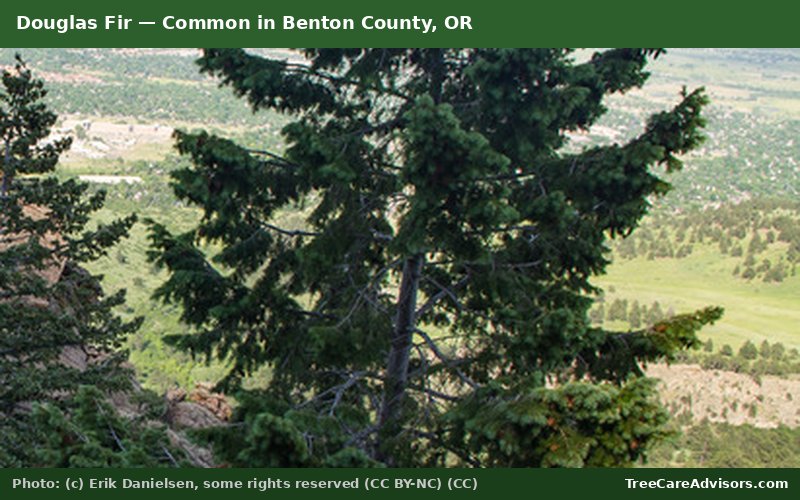
Douglas Fir
The defining tree of the PNW - can reach 250ft, dominant timber species
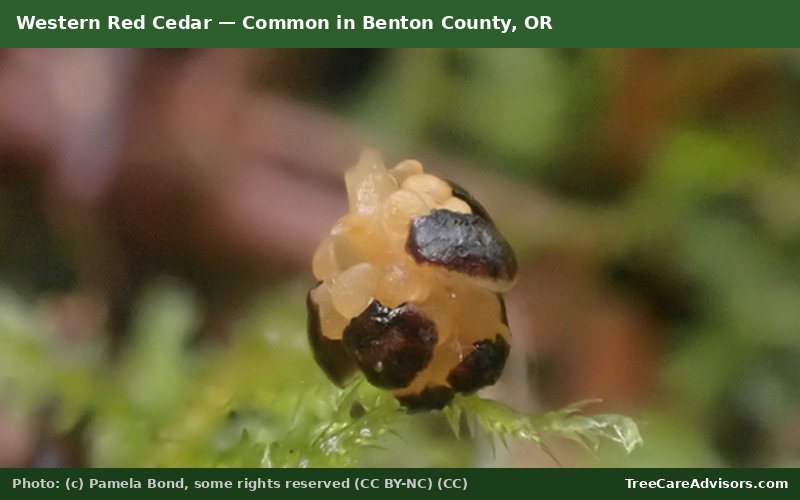
Western Red Cedar
Long-lived evergreen, naturally rot-resistant wood, cultural significance
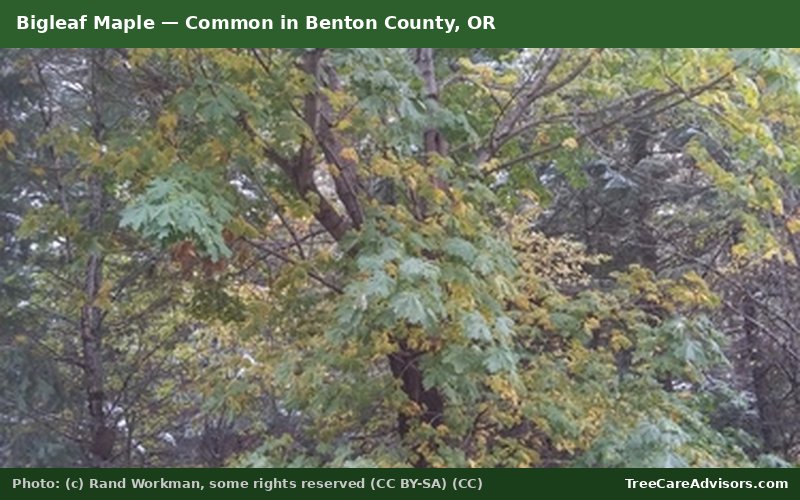
Bigleaf Maple
Massive spreading maple, moss-draped in wet climates, golden fall color
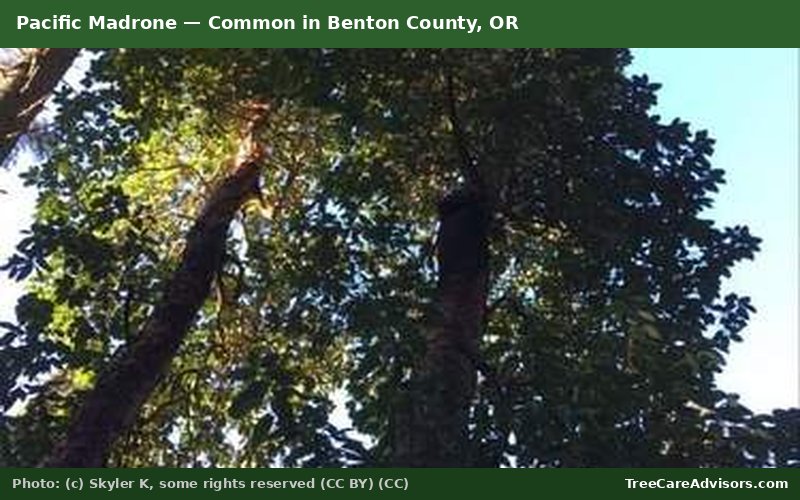
Pacific Madrone
Beautiful peeling red bark, evergreen broadleaf, difficult to transplant
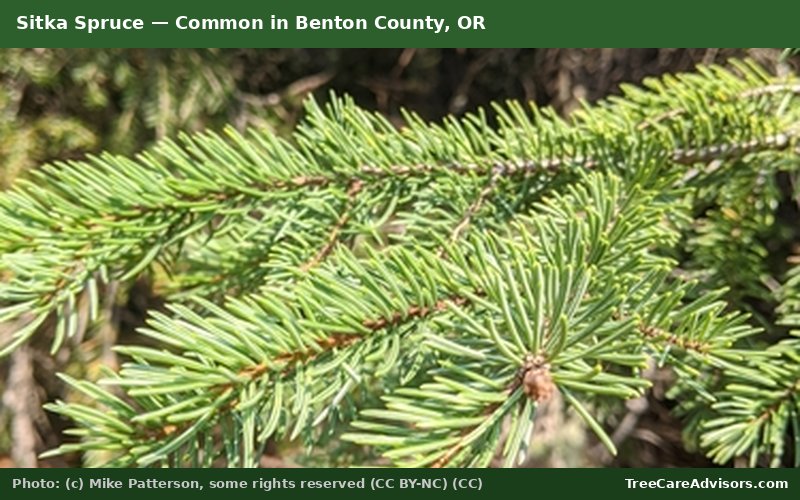
Sitka Spruce
Coastal giant, salt-tolerant, important wildlife habitat
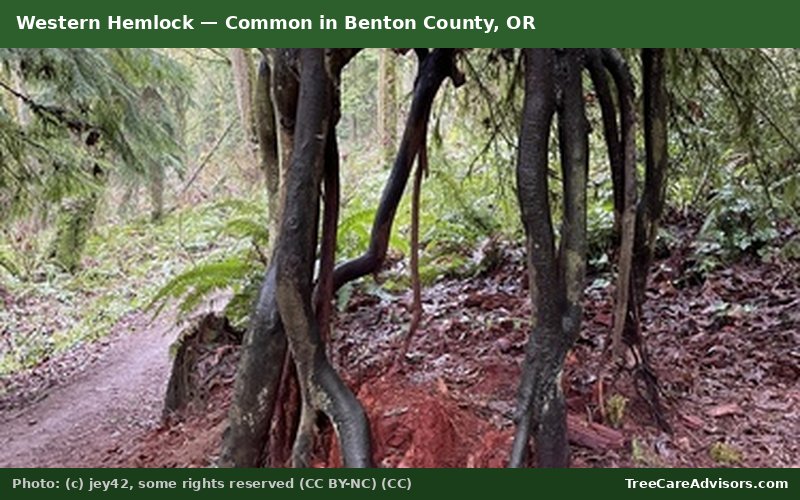
Western Hemlock
State tree of WA - graceful drooping tips, shade-tolerant
Active Tree Threats in Benton County
Laminated Root Rot high
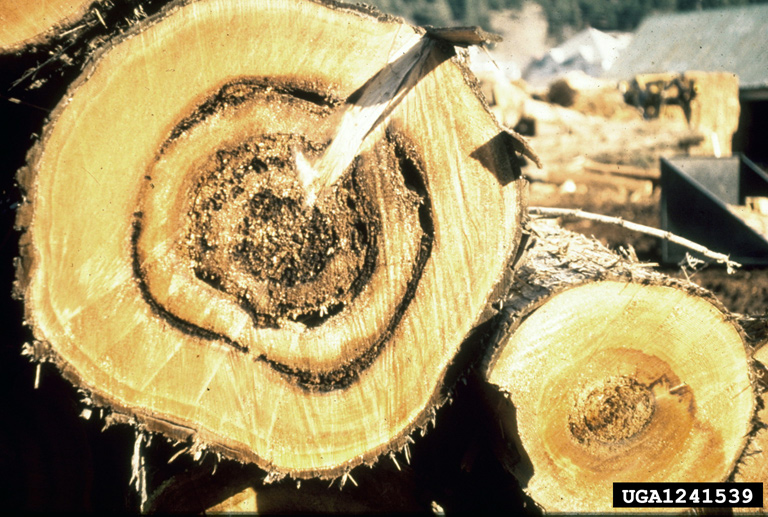
Affects: Douglas fir (primary), grand fir, mountain hemlock - the dominant conifers of the PNW
Soil fungus (Phellinus sulphurascens) that spreads through root contact. Infected trees show reduced growth, thinning crown, and eventually blow over in wind because roots are rotted. Spreads slowly but persistently through stands.
Swiss Needle Cast moderate-high
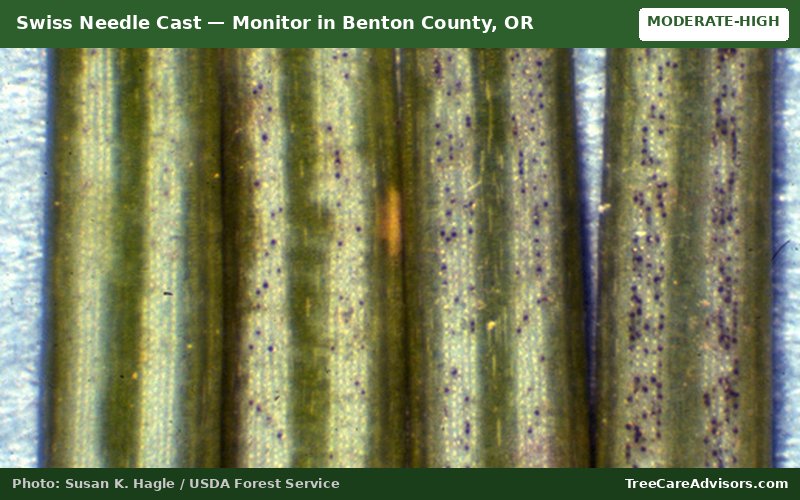
Affects: Douglas fir - the most common tree in PNW landscapes
Fungal disease that causes Douglas fir to shed needles prematurely. Trees look thin and yellow. Fog and moisture promote the fungus. Coastal areas worst affected.
Bronze Birch Borer moderate
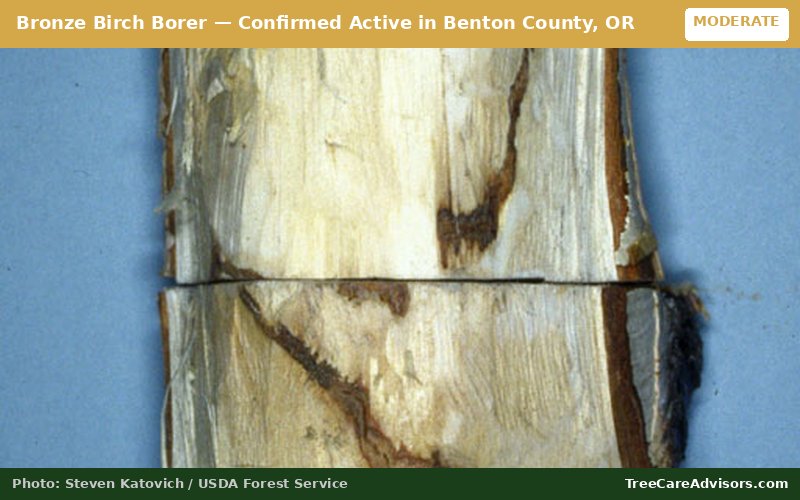
Affects: European white birch (highly susceptible), paper birch, other birch species
Native beetle that attacks stressed birch trees. Larvae bore under bark, killing branches from top down. European white birch (the popular ornamental) is far more susceptible than native species.
Millersburg Tree Data
Hiring a Tree Service in Millersburg
With 33 landscaping companies in Benton County, it's vital to hire specifically for tree expertise. Look for an ISA Certified Arborist who understands our local soil and pests, like Laminated Root Rot in our wet winters. Ask for proof of insurance and references from jobs in Millersburg or Albany. A true professional will provide a detailed, written estimate that explains the necessary work, not just a price to cut something down.
Nearby Areas We Serve
Get Tree Care Quotes in Millersburg
Compare ISA-certified arborists serving Millersburg and Benton County.
Get Free Quotes