Tree Care in Hills and Dales, OH
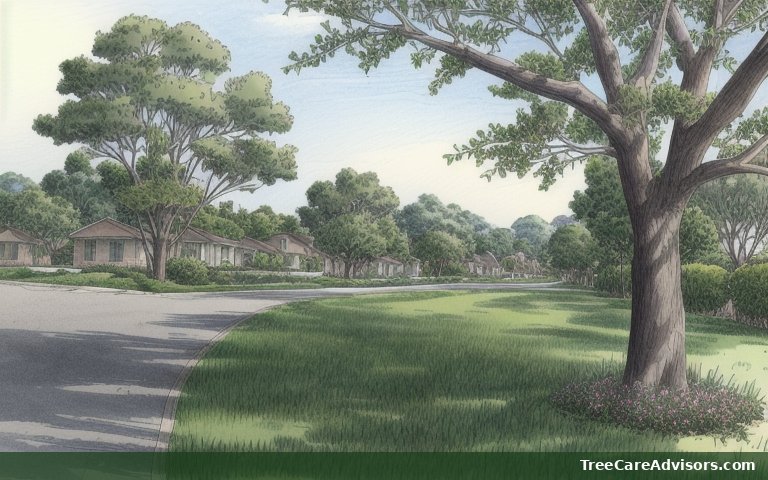
Why Tree Care Matters in Hills and Dales
Professional tree care here is about managing inherited risk and protecting your property value. With 11.7 storm events a year on average, mature trees are tested regularly. Our cool-humid climate and 41 inches of annual rain mean soils are often saturated, which sets the stage for root plate failure during high winds. A professional doesn't just look at the leaves. We assess the whole structure, sounding the trunk with a mallet to listen for hollow spots and inspecting unions for the included bark that causes trees like the Bradford pear to split. It's preventative medicine for your landscape.
Your Tree's History
The 1940s to 1960s building boom favored fast-growing, inexpensive trees. Builders weren't thinking about what these trees would be like in 2024. That's why we have so many silver maples with weak wood and Siberian elms that are prone to breakage. They provided quick shade for new subdivisions but weren't selected for longevity or storm resilience. Now, as these trees enter their final decades, homeowners are left to manage the consequences of those choices made generations ago.
Hills and Dales Climate Profile
Risk Assessment
Growing & Pruning
Tree Services in Hills and Dales
Tree Removal
Safe removal of dead, dying, hazardous, or unwanted trees
Tree Trimming & Pruning
Professional pruning for health, safety, and appearance
Stump Grinding & Removal
Complete stump removal after tree cutting
Emergency Tree Service
24/7 response for storm damage, fallen trees, and hazardous situations
Tree Health & Disease Treatment
Diagnosis and treatment of tree pests, diseases, and nutrient deficiencies
Common Trees in Hills and Dales
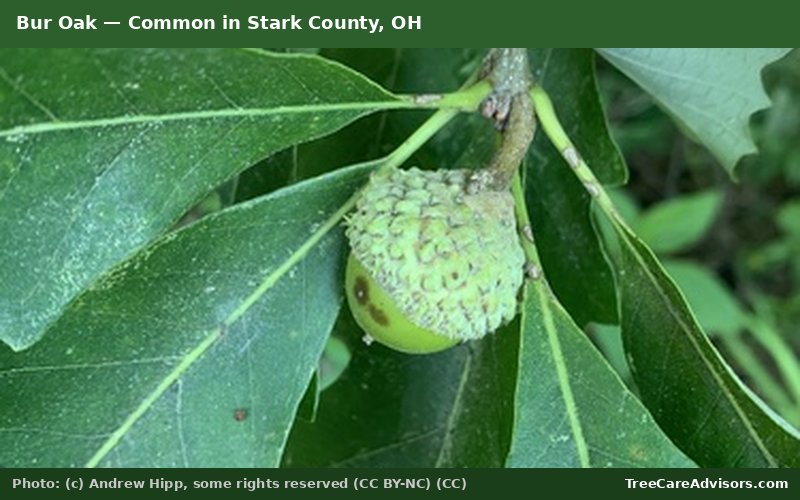
Bur Oak
Toughest native oak - drought, cold, and wind tolerant. Massive specimens
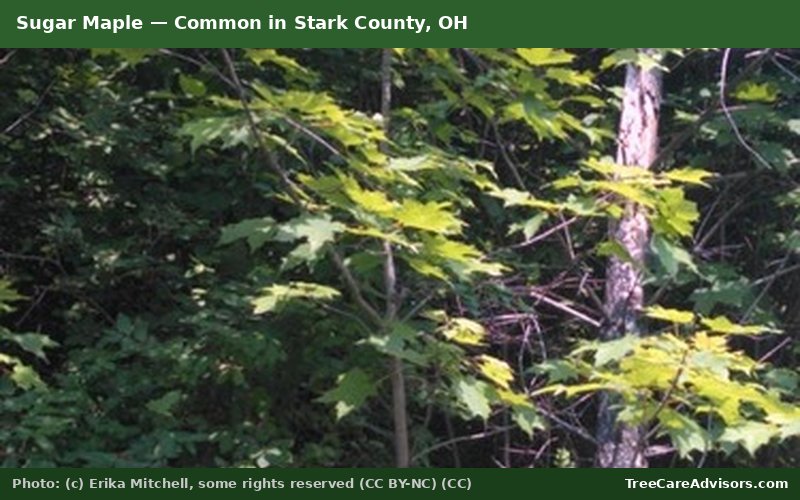
Sugar Maple
Fall color champion, syrup production, but salt-sensitive along roads
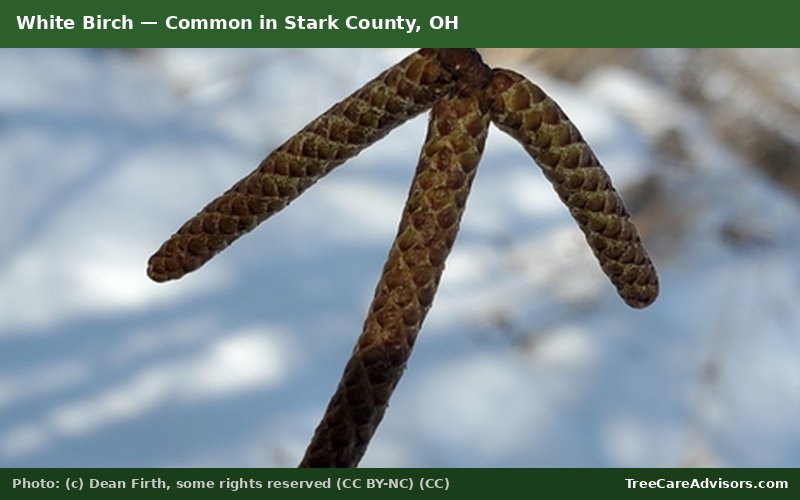
White Birch (Paper Birch)
Iconic white bark, short-lived (40-50 years), bronze birch borer vulnerable
Eastern White Pine
Tall, fast-growing, soft needles - blister rust susceptible
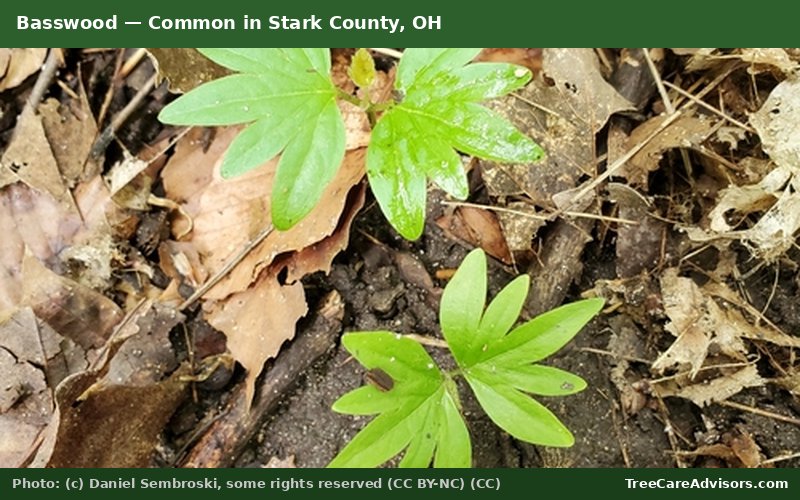
Basswood (American Linden)
Excellent shade, fragrant flowers, attracts pollinators
Active Tree Threats in Stark County
Emerald Ash Borer (EAB) critical
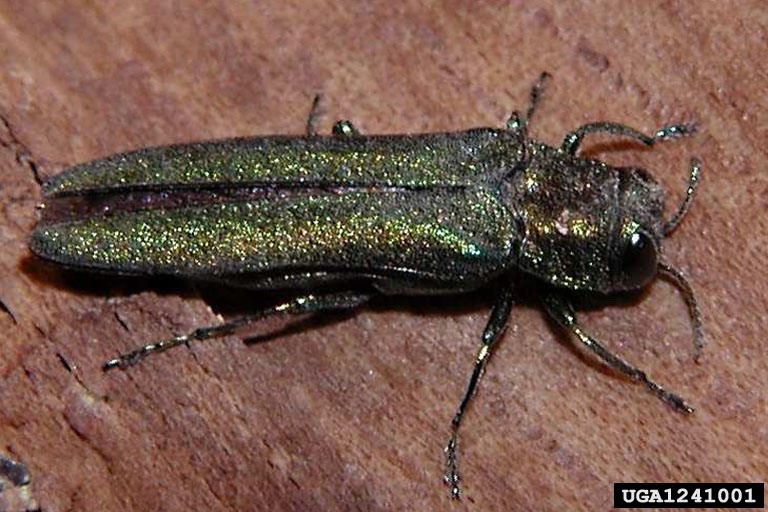
Affects: All ash species (Fraxinus) - green, white, black, blue ash
Metallic green beetle native to Asia. Larvae feed under bark, cutting off water and nutrient transport. Tree dies within 2-5 years of infestation. Has killed hundreds of millions of ash trees in North America since 2002.
Spotted Lanternfly high
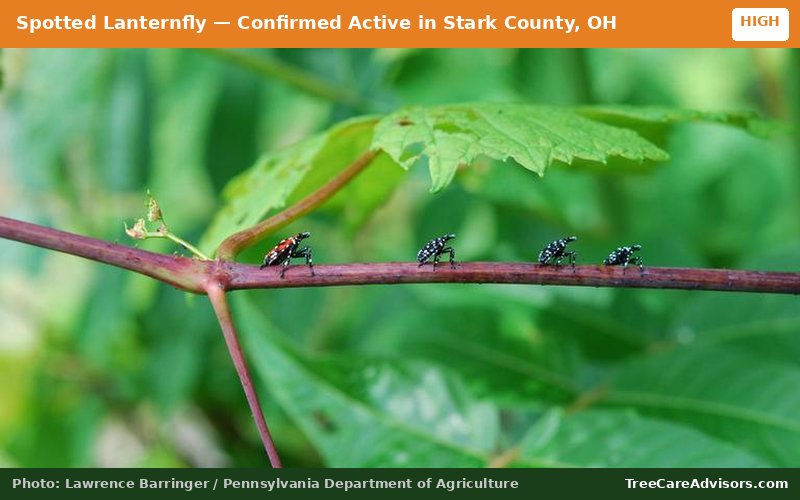
Affects: Tree of Heaven (primary host), but feeds on 70+ species including maples, oaks, walnut, willow, birch, grape
Showy planthopper from Asia. Feeds on sap, excretes honeydew that promotes sooty mold. Doesn't usually kill trees directly but weakens them and creates a mess. Major agricultural pest on grapes and orchards.
Oak Wilt high
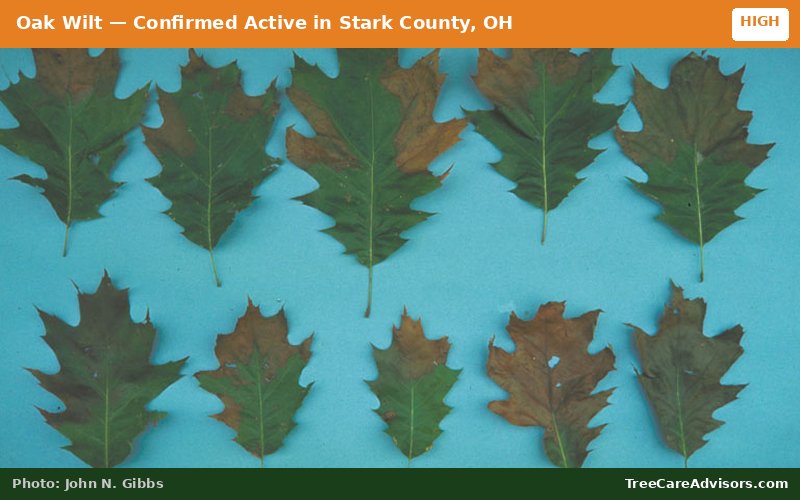
Affects: Red oak group (red, pin, scarlet, black - usually fatal). White oak group (white, bur, swamp white - slower, sometimes survivable).
Fungal disease (Ceratocystis fagacearum) that clogs water-conducting vessels. Red oaks can die within weeks. Spreads through connected root systems between nearby oaks and via beetles attracted to fresh wounds.
Hills and Dales Tree Data
Hiring a Tree Service in Hills and Dales
With 171 landscaping companies in Stark County, it's critical to hire a certified arborist for tree health and safety work, not just a landscaper. Ask for proof of insurance and their ISA certification. A true professional will provide a detailed, written assessment that explains the 'why' behind any recommendation, especially for mature trees on your property that may be liabilities.
Nearby Areas We Serve
Get Tree Care Quotes in Hills and Dales
Compare ISA-certified arborists serving Hills and Dales and Stark County.
Get Free Quotes