Tree Care in Farmingville, NY
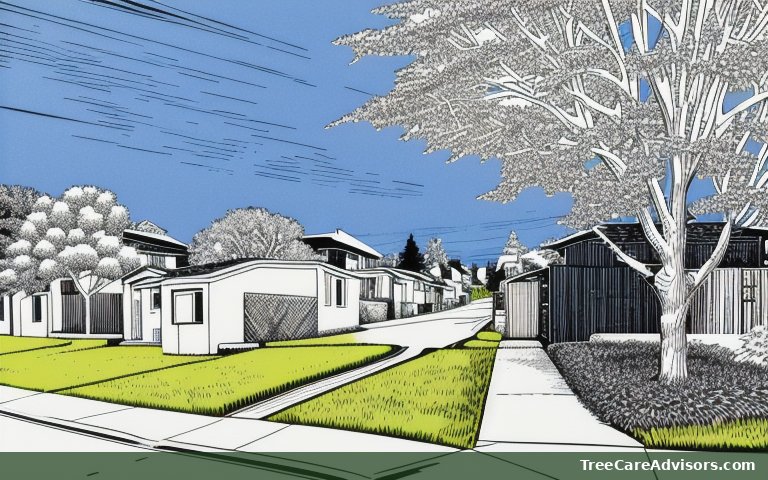
Why Tree Care Matters in Farmingville
Professional tree care here is about risk management and asset protection. A mature, healthy red oak in your front yard isn't just a tree, it's a significant financial asset that adds thousands to your property value, calculated by industry standards like the CTLA method. Our local storm patterns, with 24 events a year on average, are the real test. Sustained winds from one direction followed by a sudden shift, common in nor'easters, fatigue trees. This leads to root plate failure in our often-saturated soils or catastrophic splits at weak branch unions, especially in those builder-grade trees. Proactive care prevents that failure.
Your Tree's History
The era your home was built directly dictates your tree problems. Farmingville's construction boom in the 60s-80s favored Norway maples, Bradford pears, and silver maples. These species were chosen because they grew fast and looked established quickly. Now, decades later, those trees have reached their predictable crisis points. The Norway maple is an invasive bully that stifles native undergrowth. The Bradford pear is a ticking clock, and the silver maple is a storm-damage magnet. You're not dealing with a tree that's suddenly sick, you're managing the engineered decline of the wrong tree in the wrong place.
Farmingville Climate Profile
Risk Assessment
Growing & Pruning
Tree Services in Farmingville
Tree Removal
Safe removal of dead, dying, hazardous, or unwanted trees
Tree Trimming & Pruning
Professional pruning for health, safety, and appearance
Stump Grinding & Removal
Complete stump removal after tree cutting
Emergency Tree Service
24/7 response for storm damage, fallen trees, and hazardous situations
Tree Health & Disease Treatment
Diagnosis and treatment of tree pests, diseases, and nutrient deficiencies
Common Trees in Farmingville
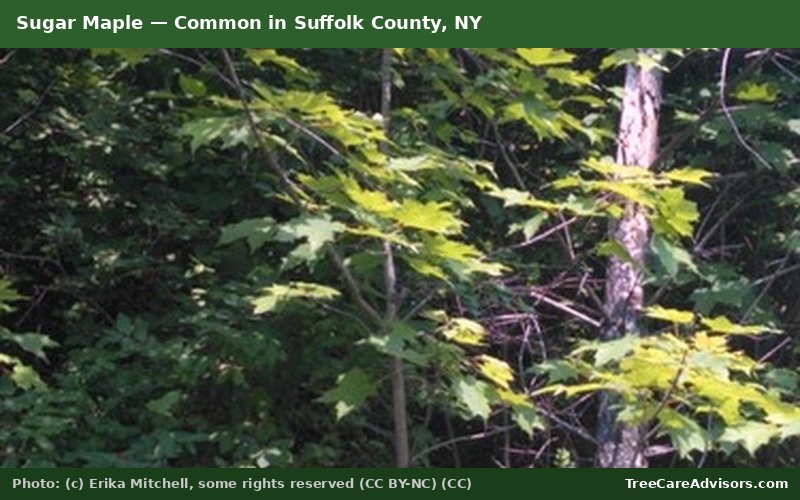
Sugar Maple
The iconic fall color tree - brilliant orange/red, shade champion, slow-growing
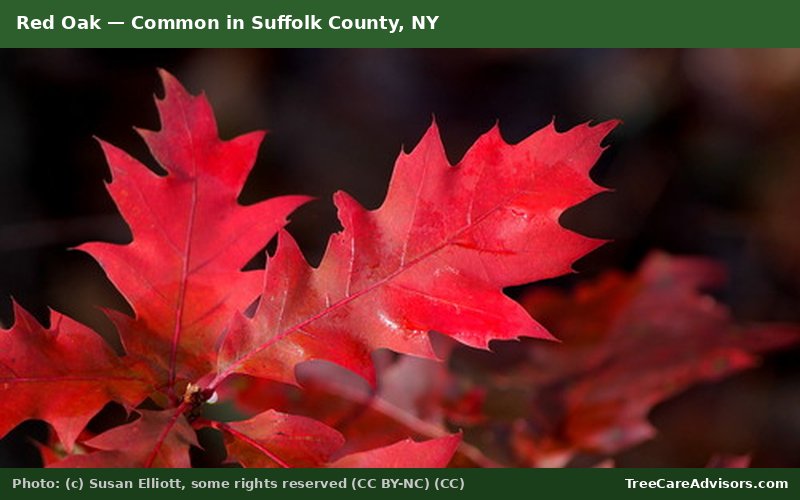
Red Oak
Fast-growing oak, excellent shade, good fall color, valuable timber
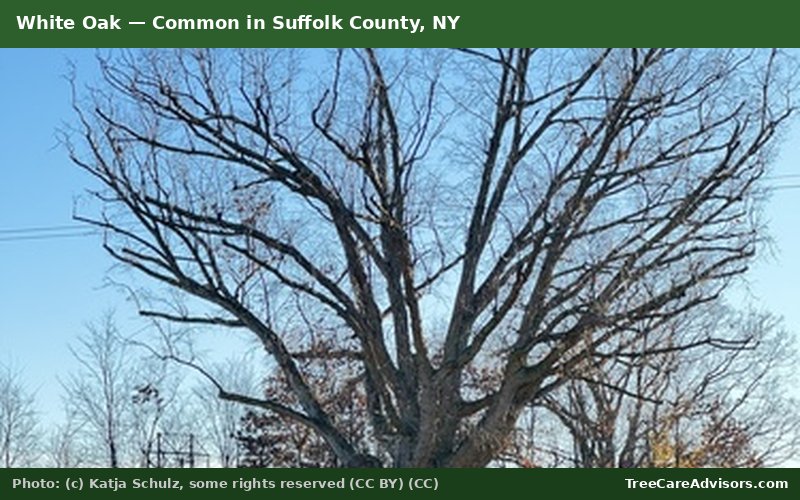
White Oak
Long-lived (300-600 years), wide-spreading, slow-growing, acorn producer
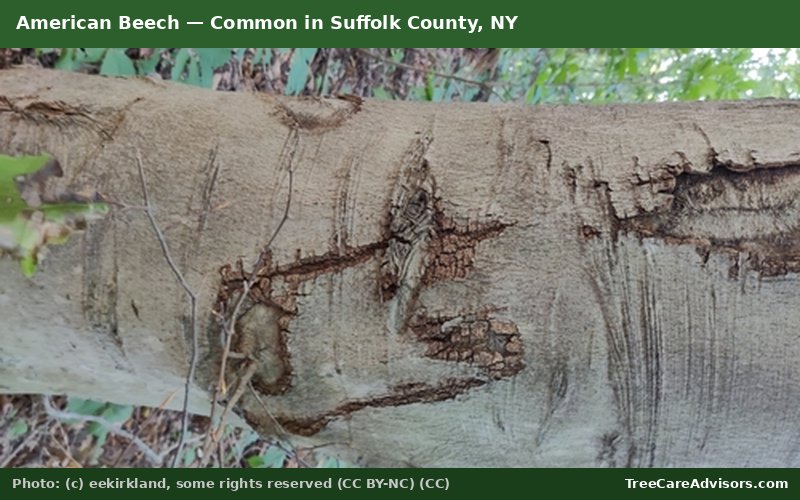
American Beech
Smooth gray bark, golden fall color, shallow roots, colonial root sprouts
Eastern White Pine
Tallest eastern conifer, soft needles, susceptible to white pine weevil
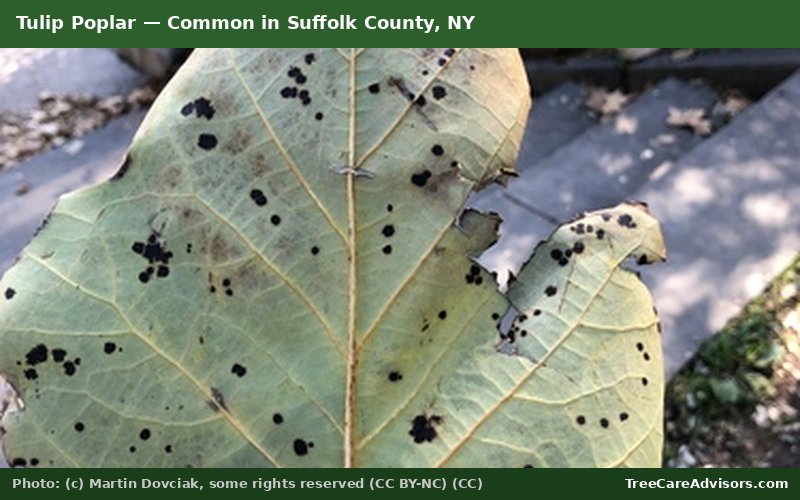
Tulip Poplar
Fast-growing, very tall (80-100ft), tulip-shaped flowers, yellow fall color
Active Tree Threats in Suffolk County
Emerald Ash Borer (EAB) critical
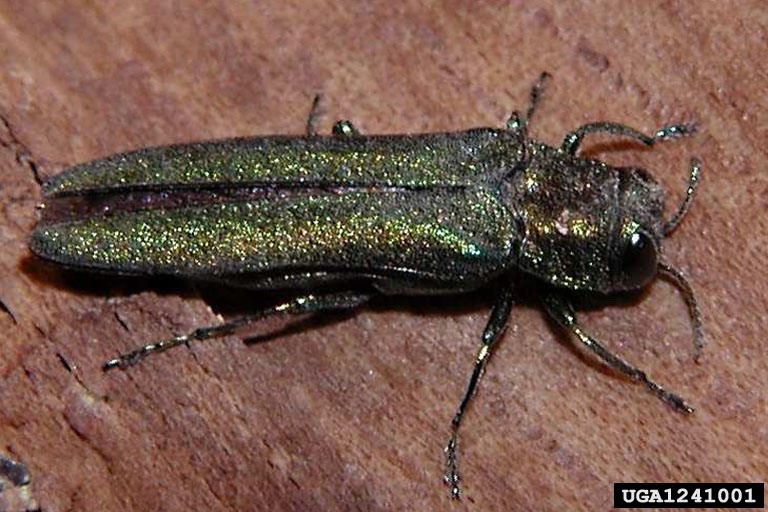
Affects: All ash species (Fraxinus) - green, white, black, blue ash
Metallic green beetle native to Asia. Larvae feed under bark, cutting off water and nutrient transport. Tree dies within 2-5 years of infestation. Has killed hundreds of millions of ash trees in North America since 2002.
Spotted Lanternfly high
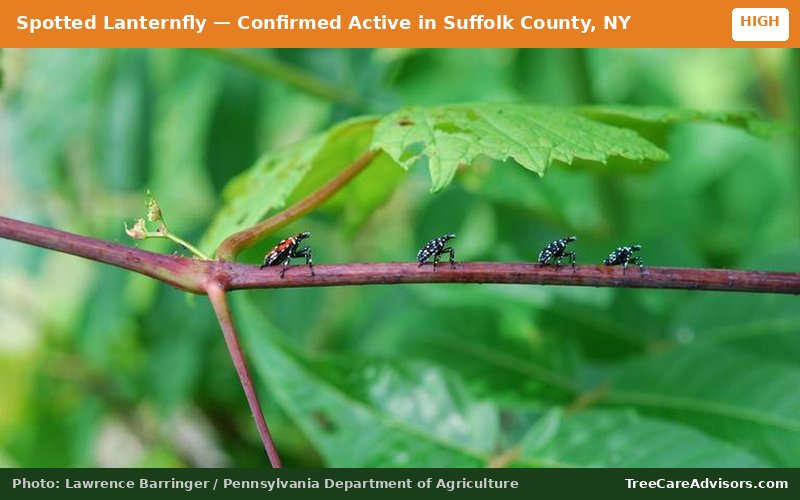
Affects: Tree of Heaven (primary host), but feeds on 70+ species including maples, oaks, walnut, willow, birch, grape
Showy planthopper from Asia. Feeds on sap, excretes honeydew that promotes sooty mold. Doesn't usually kill trees directly but weakens them and creates a mess. Major agricultural pest on grapes and orchards.
Oak Wilt high
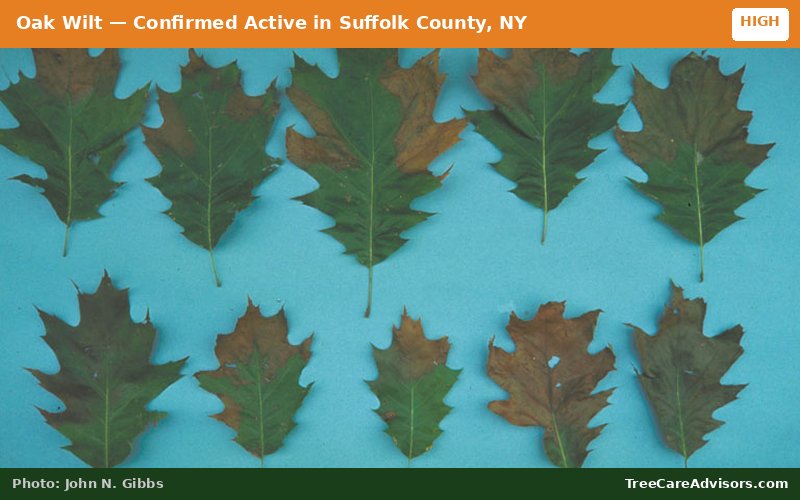
Affects: Red oak group (red, pin, scarlet, black - usually fatal). White oak group (white, bur, swamp white - slower, sometimes survivable).
Fungal disease (Ceratocystis fagacearum) that clogs water-conducting vessels. Red oaks can die within weeks. Spreads through connected root systems between nearby oaks and via beetles attracted to fresh wounds.
Farmingville Tree Data
Hiring a Tree Service in Farmingville
With over 1,700 landscaping companies in Suffolk County, choosing the right one is critical. For tree work, specifically look for a company with ISA Certified Arborists on staff, not just a landscaper with a chainsaw. Ask for proof of insurance and request local references. A true professional will diagnose the specific issue, whether it's included bark on a pear or early EAB signs in an ash, and won't recommend unnecessary removals for valuable native trees like your white oaks or sugar maples.
Nearby Areas We Serve
Get Tree Care Quotes in Farmingville
Compare ISA-certified arborists serving Farmingville and Suffolk County.
Get Free Quotes