Tree Care in Walton, NE
Why Tree Care Matters in Walton
Professional tree care here isn't just about aesthetics. It's about risk management and asset protection. A mature bur oak or sugar maple in good health adds significant value to your home, a value we can quantify using industry-standard methods. Neglect, however, turns that asset into a hazard. Our specific storm patterns, with shifting winds that fatigue tree structures, target weaknesses like the included bark in mature silver maples or the deadwood in neglected ashes. Proactive care from someone who knows local species and pests, like the imminent threat of Emerald Ash Borer to every ash tree, is an investment in your safety and your property's worth.
Your Tree's History
The era your Walton home was built, roughly 55 years ago, directly dictates your tree issues today. Builders and landscapers in the 60s and 70s favored those fast-growing, problem species I mentioned. They weren't thinking about the tree's 50-year performance in our Zone 6a climate with its 13-degree winter lows and summer droughts. They were thinking about instant landscaping. Now, you're left managing the consequences: large trees with poor structure planted too close to houses. This isn't about poor care in the past, it's about applying today's knowledge of species, soil, and storms to preserve what's good and mitigate what's dangerous.
Walton Climate Profile
Risk Assessment
Growing & Pruning
Tree Services in Walton
Tree Removal
Safe removal of dead, dying, hazardous, or unwanted trees
Tree Trimming & Pruning
Professional pruning for health, safety, and appearance
Stump Grinding & Removal
Complete stump removal after tree cutting
Emergency Tree Service
24/7 response for storm damage, fallen trees, and hazardous situations
Tree Health & Disease Treatment
Diagnosis and treatment of tree pests, diseases, and nutrient deficiencies
Common Trees in Walton
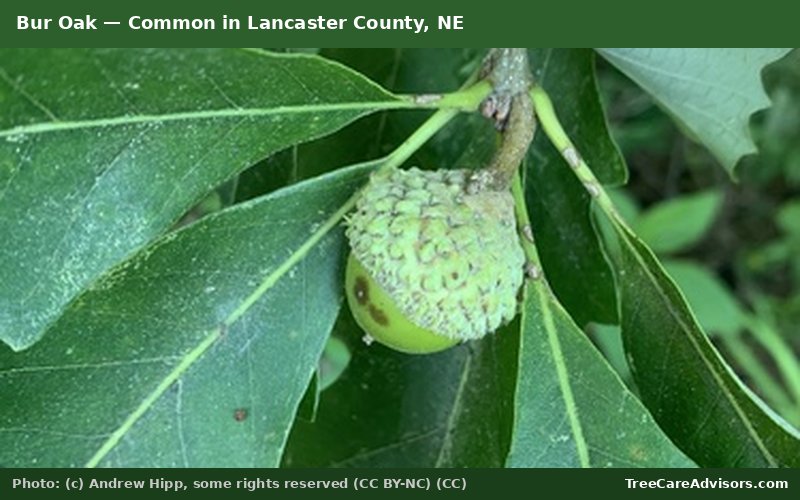
Bur Oak
Toughest native oak - drought, cold, and wind tolerant. Massive specimens
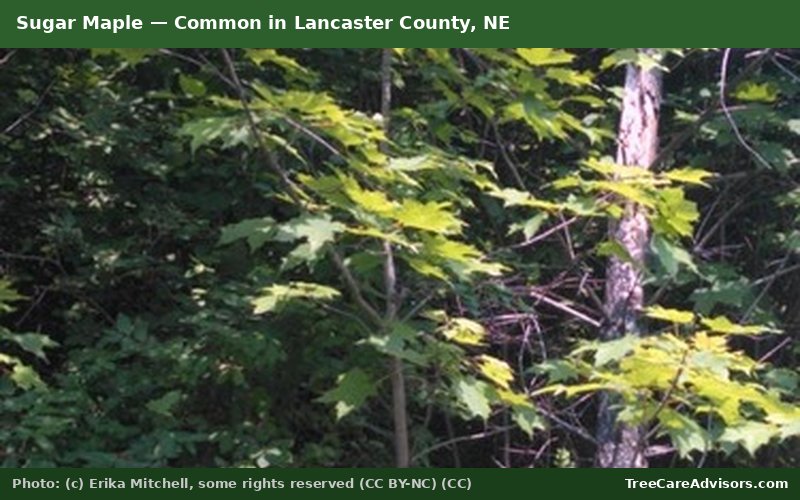
Sugar Maple
Fall color champion, syrup production, but salt-sensitive along roads
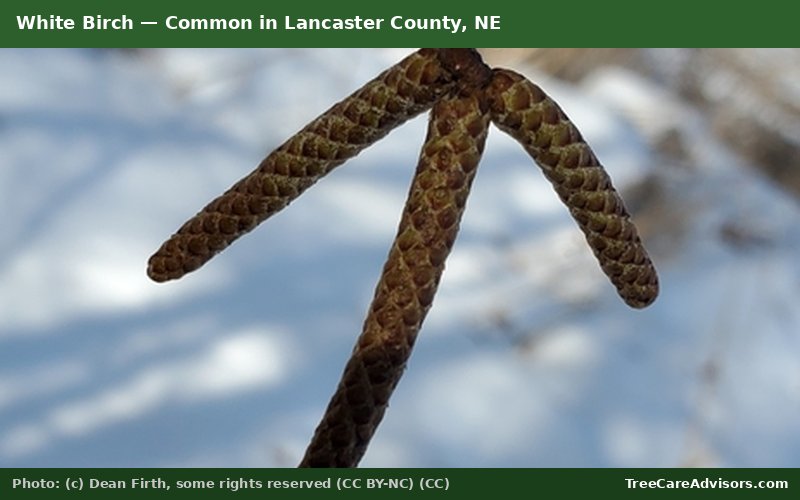
White Birch (Paper Birch)
Iconic white bark, short-lived (40-50 years), bronze birch borer vulnerable
Eastern White Pine
Tall, fast-growing, soft needles - blister rust susceptible
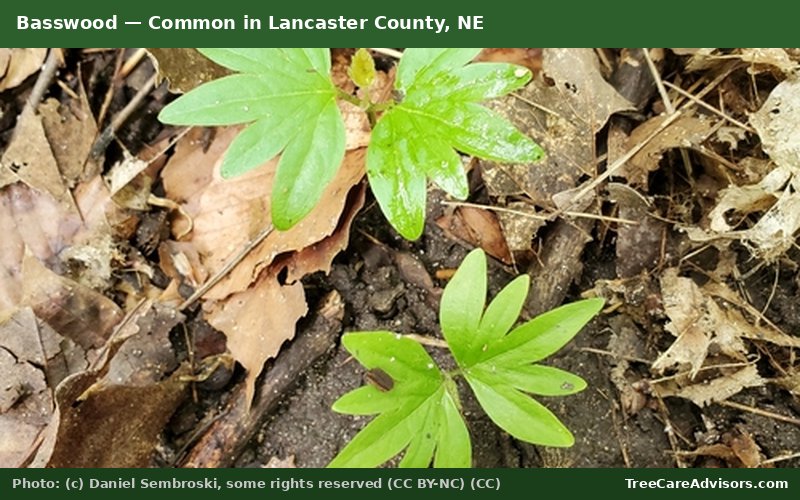
Basswood (American Linden)
Excellent shade, fragrant flowers, attracts pollinators
Active Tree Threats in Lancaster County
Mountain Pine Beetle critical
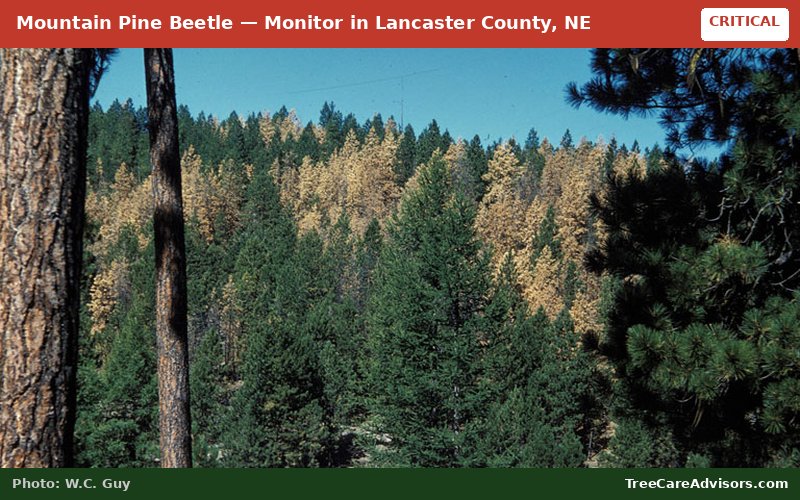
Affects: Lodgepole pine (primary), ponderosa pine, limber pine, whitebark pine
Native bark beetle whose populations have exploded due to drought and warmer winters that no longer kill overwintering larvae. Beetles mass-attack trees, introducing blue-stain fungi that stop water transport. Trees turn red and die within a year.
Emerald Ash Borer critical
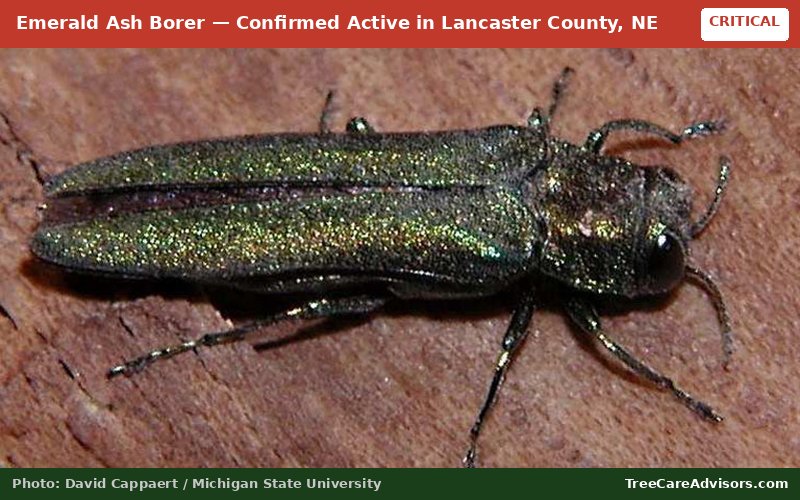
Affects: All ash species - very common urban trees in Front Range CO and Wasatch Front UT
Same devastating beetle as eastern US. Colorado and Utah cities planted heavily in ash - many municipalities have 15-20% ash canopy that will be lost.
Ips Beetle Complex moderate-high
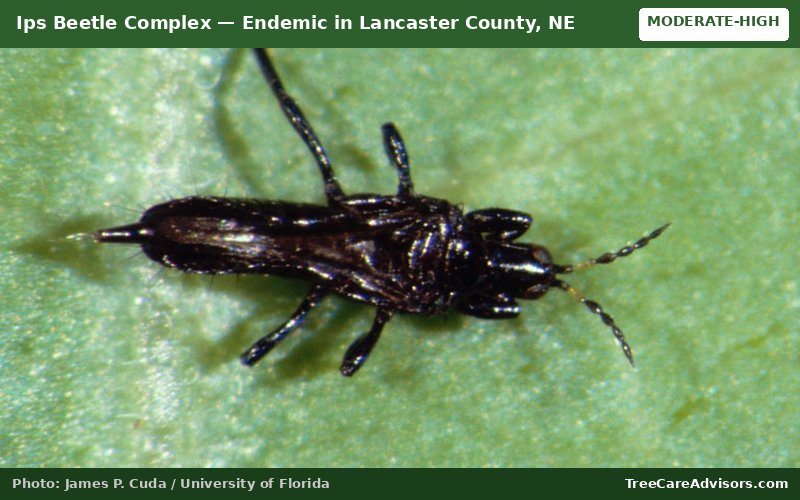
Affects: Spruce, pine - urban and forest settings
Multiple Ips bark beetle species that attack weakened conifers. Unlike mountain pine beetle, Ips can have multiple generations per year and attacks a broader range of species including spruce.
Walton Tree Data
Hiring a Tree Service in Walton
With 148 landscaping companies in Lancaster County, choosing the right one is critical. Look for a certified arborist who understands our native soil and the specific pests here, like Ips beetles in pines. Ask for proof of insurance and references. A true professional won't just quote a price. They will walk your property, identify your tree species by name, explain the specific risks, and provide a clear plan that goes beyond just removal to include preservation where possible.
Nearby Areas We Serve
Get Tree Care Quotes in Walton
Compare ISA-certified arborists serving Walton and Lancaster County.
Get Free Quotes