Tree Care in Weldon Spring, MO
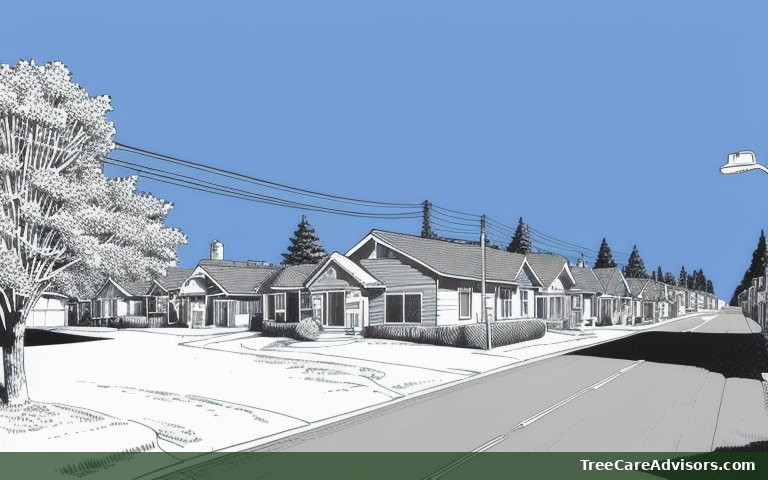
Why Tree Care Matters in Weldon Spring
Professional tree care here is about risk management and value preservation. A mature, healthy tree isn't just beautiful; it's a quantifiable asset. Arborists use the Council of Tree and Landscape Appraisers method to value trees based on species, size, and condition. Neglecting a high-value native like a Bur Oak can turn an asset into a liability, especially with our storm frequency. Conversely, managing problem species like Silver Maple or Green Ash, which are prone to breakage, is essential. Proper care directly safeguards your home's value and safety.
Your Tree's History
The 1990s development era explains many current tree issues. Landscapers often planted fast-growing species for quick curb appeal, which included problem trees like Silver Maple and Siberian Elm. These trees now have structural weaknesses like included bark and weak wood. Furthermore, the common practice of planting trees too deep or in poor soil during construction has led to compromised root systems decades later. We're now seeing the consequences of those planting choices as these trees reach full size in our specific soil and climate.
Weldon Spring Climate Profile
Risk Assessment
Growing & Pruning
Tree Services in Weldon Spring
Tree Removal
Safe removal of dead, dying, hazardous, or unwanted trees
Tree Trimming & Pruning
Professional pruning for health, safety, and appearance
Stump Grinding & Removal
Complete stump removal after tree cutting
Emergency Tree Service
24/7 response for storm damage, fallen trees, and hazardous situations
Tree Health & Disease Treatment
Diagnosis and treatment of tree pests, diseases, and nutrient deficiencies
Common Trees in Weldon Spring
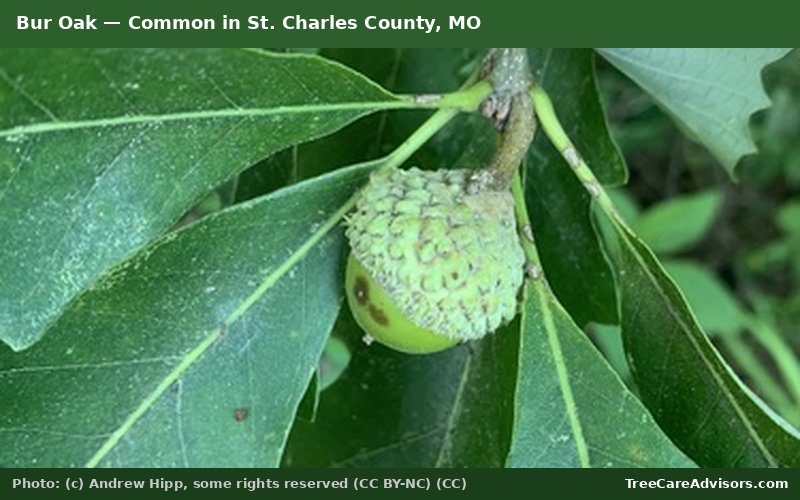
Bur Oak
Toughest native oak - drought, cold, and wind tolerant. Massive specimens
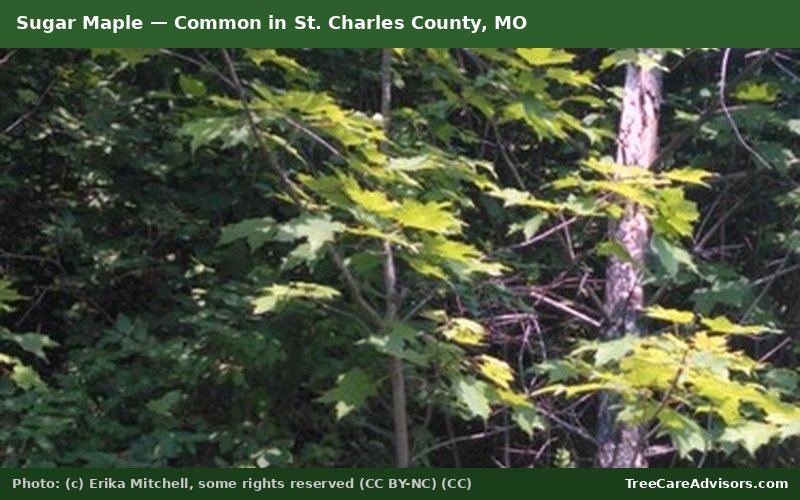
Sugar Maple
Fall color champion, syrup production, but salt-sensitive along roads
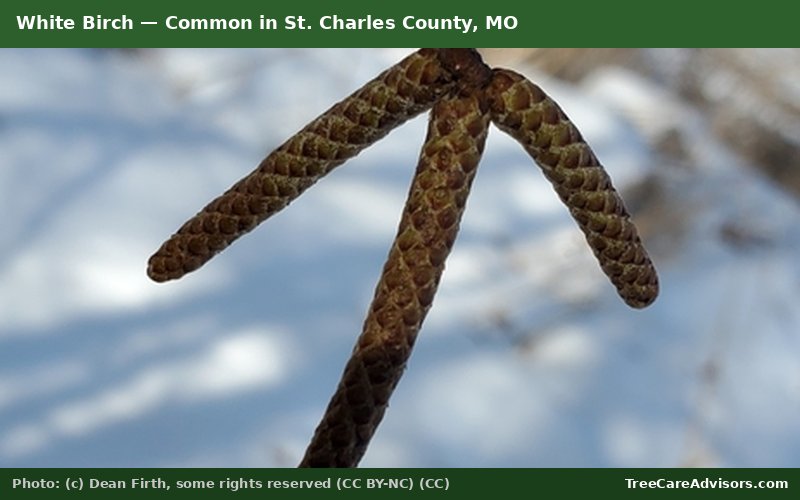
White Birch (Paper Birch)
Iconic white bark, short-lived (40-50 years), bronze birch borer vulnerable
Eastern White Pine
Tall, fast-growing, soft needles - blister rust susceptible
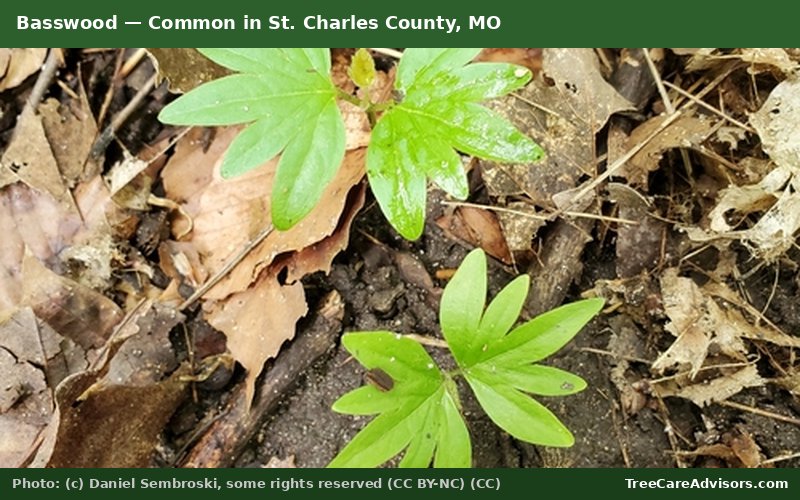
Basswood (American Linden)
Excellent shade, fragrant flowers, attracts pollinators
Active Tree Threats in St. Charles County
Formosan Subterranean Termites critical
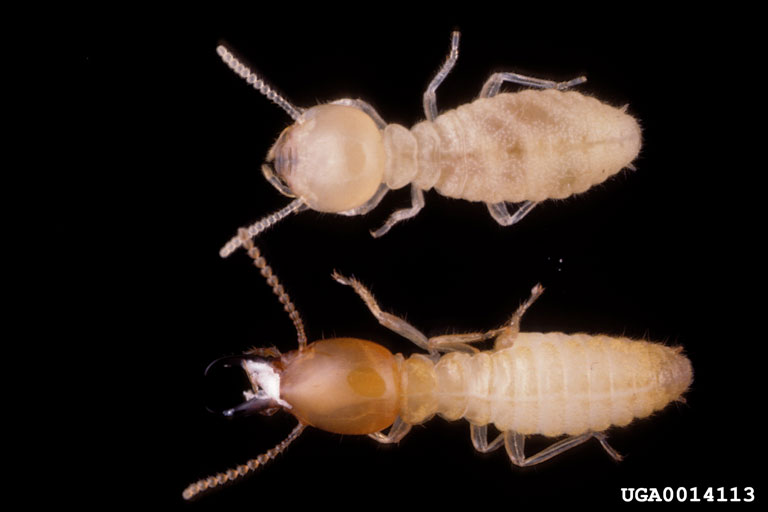
Affects: Both dead wood and living trees - will hollow out live oaks and other species from the inside
The most destructive termite species in the US. Colonies can contain millions of individuals. Unlike native termites, Formosans build above-ground carton nests IN living trees, consuming heartwood while the tree appears healthy from outside.
Laurel Wilt critical
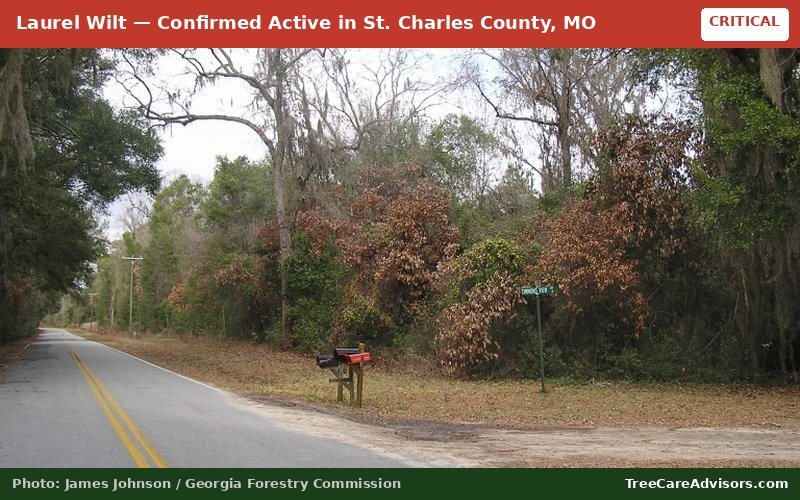
Affects: Redbay, sassafras, swamp bay, avocado, pondspice
Fungal disease spread by the redbay ambrosia beetle (invasive from Asia). The beetle introduces the fungus when it bores into the tree to farm. Has killed over 300 million redbays and threatens the avocado industry.
Southern Pine Beetle high
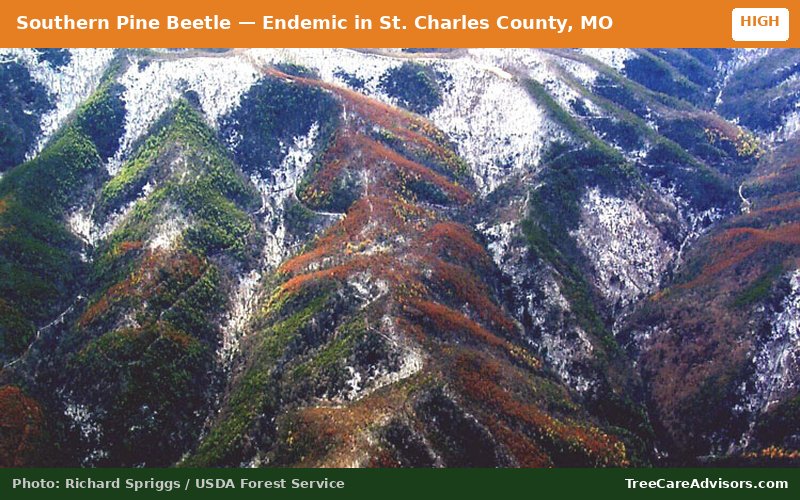
Affects: Loblolly, shortleaf, Virginia, pitch, and other southern pines
Small bark beetle (size of a grain of rice) that mass-attacks stressed pines. Trees die rapidly when beetle populations overwhelm defenses. Outbreaks can kill thousands of acres of pine.
Weldon Spring Tree Data
Hiring a Tree Service in Weldon Spring
With around 200 landscaping companies in St. Charles County, verification is crucial. Always hire a certified arborist who is insured. Ask specifically about their experience with our local pest threats, like Formosan Subterranean Termites in soil or Laurel Wilt, and their knowledge of appraising tree value. Get a detailed, written scope of work that explains the 'why' behind each recommendation, especially for mature native species versus invasive problem trees.
Nearby Areas We Serve
Get Tree Care Quotes in Weldon Spring
Compare ISA-certified arborists serving Weldon Spring and St. Charles County.
Get Free Quotes