Tree Care in Ladue, MO
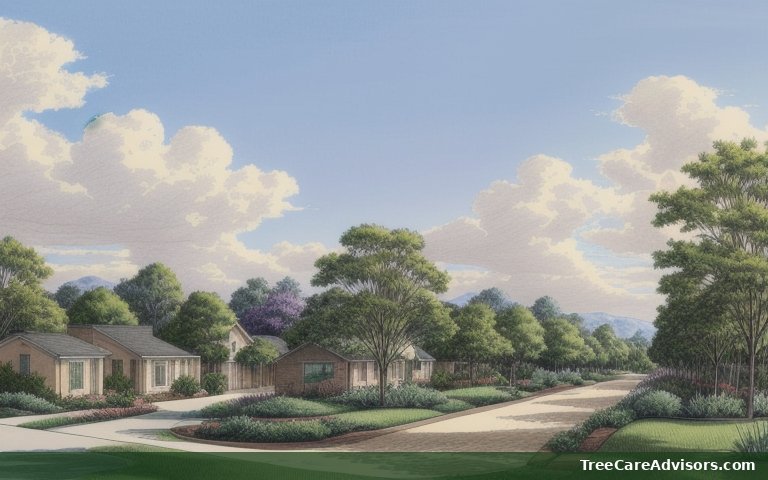
Why Tree Care Matters in Ladue
Professional tree care here is about managing inherited risk. With an average of 19 storm events a year, the wrong failure can be costly. Our mixed-humid climate means soils get saturated, which is when wind most often causes uprooting. The most dangerous pattern is sustained wind from one direction fatiguing the roots, followed by a sudden shift. A certified arborist assesses the specific risks on your property, looking for the included bark unions in maples or the root plate stability of an old oak after heavy rain. It's not just about beauty; it's about preventing predictable damage to your home and property.
Your Tree's History
The 1940s to 1960s building boom defined Ladue's landscape. The goal was quick, lush landscaping for new subdivisions. This led to widespread planting of problem species we still manage today. Fast-growing Siberian elms and green ash trees were common choices. Now, these trees are at full maturity, and their inherent weaknesses - brittle wood, poor structure, disease susceptibility - are manifesting. Essentially, many current tree issues are the result of decisions made for curb appeal over longevity seven decades ago, and they require knowledgeable intervention to ensure safety.
Ladue Climate Profile
Risk Assessment
Growing & Pruning
Tree Services in Ladue
Tree Removal
Safe removal of dead, dying, hazardous, or unwanted trees
Tree Trimming & Pruning
Professional pruning for health, safety, and appearance
Stump Grinding & Removal
Complete stump removal after tree cutting
Emergency Tree Service
24/7 response for storm damage, fallen trees, and hazardous situations
Tree Health & Disease Treatment
Diagnosis and treatment of tree pests, diseases, and nutrient deficiencies
Common Trees in Ladue
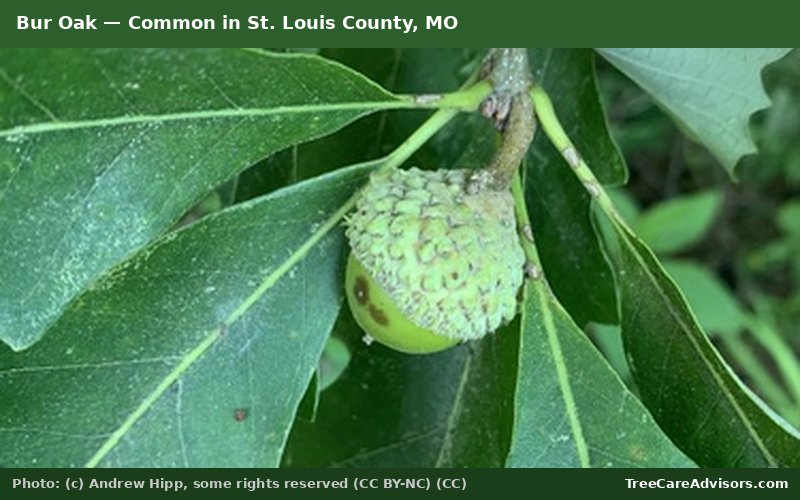
Bur Oak
Toughest native oak - drought, cold, and wind tolerant. Massive specimens
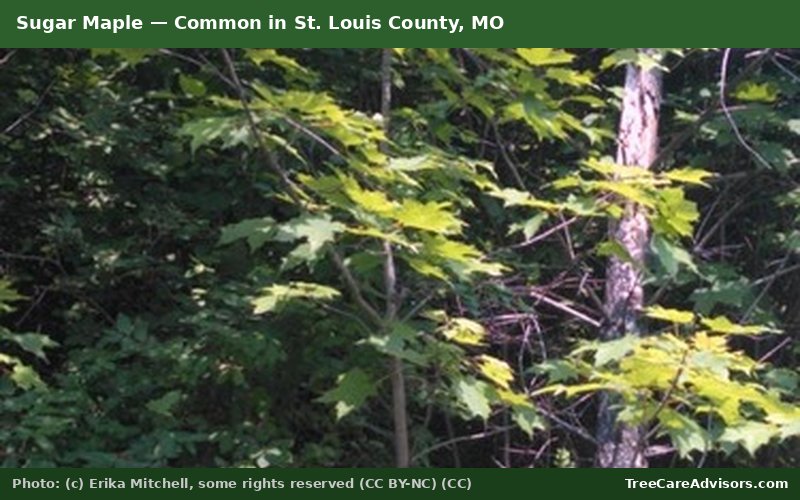
Sugar Maple
Fall color champion, syrup production, but salt-sensitive along roads
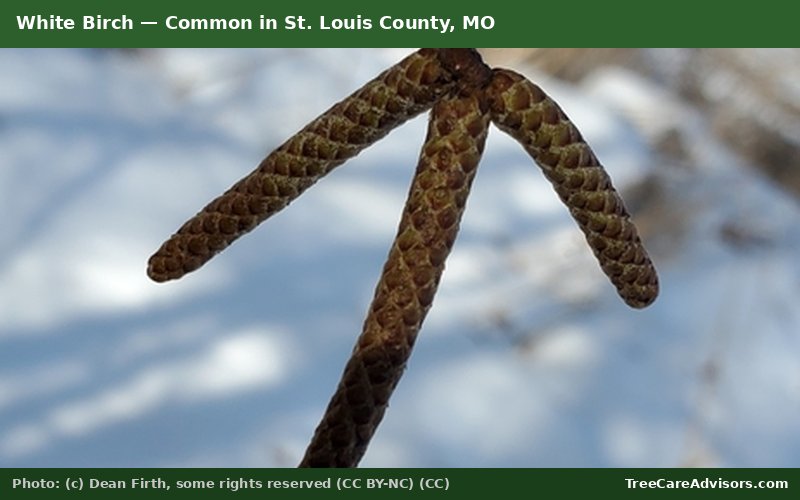
White Birch (Paper Birch)
Iconic white bark, short-lived (40-50 years), bronze birch borer vulnerable
Eastern White Pine
Tall, fast-growing, soft needles - blister rust susceptible
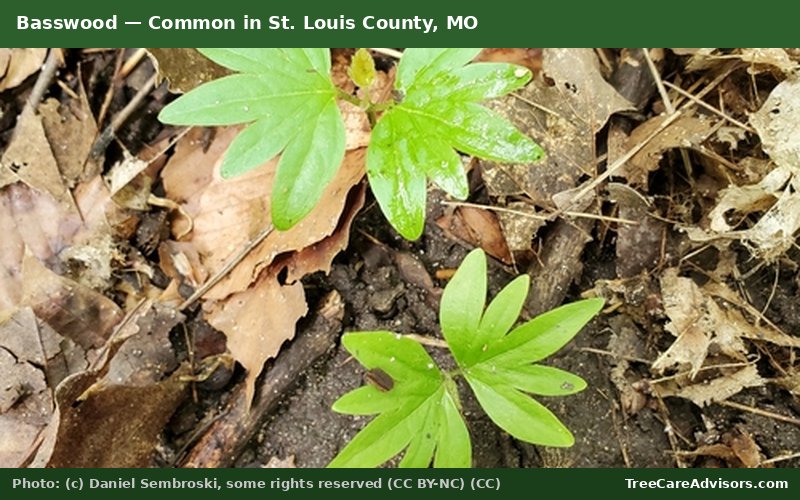
Basswood (American Linden)
Excellent shade, fragrant flowers, attracts pollinators
Active Tree Threats in St. Louis County
Formosan Subterranean Termites critical
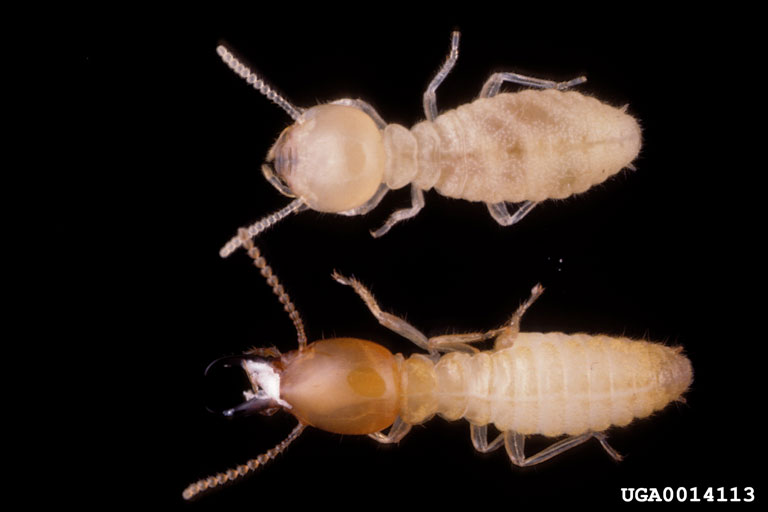
Affects: Both dead wood and living trees - will hollow out live oaks and other species from the inside
The most destructive termite species in the US. Colonies can contain millions of individuals. Unlike native termites, Formosans build above-ground carton nests IN living trees, consuming heartwood while the tree appears healthy from outside.
Laurel Wilt critical
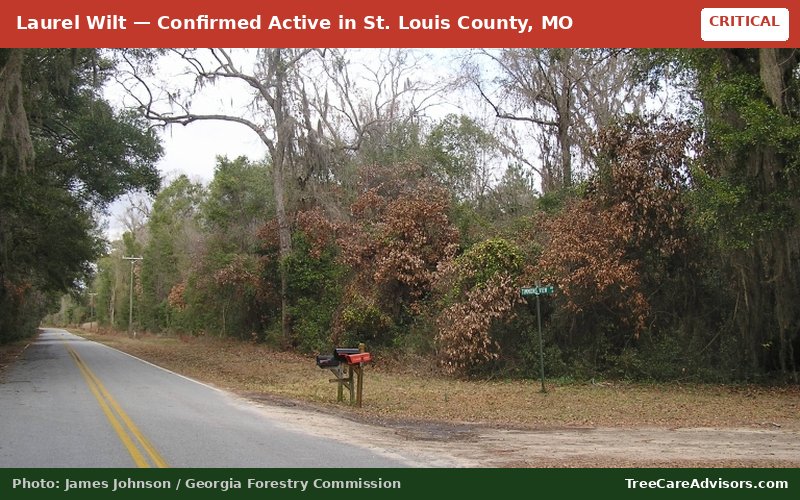
Affects: Redbay, sassafras, swamp bay, avocado, pondspice
Fungal disease spread by the redbay ambrosia beetle (invasive from Asia). The beetle introduces the fungus when it bores into the tree to farm. Has killed over 300 million redbays and threatens the avocado industry.
Southern Pine Beetle high
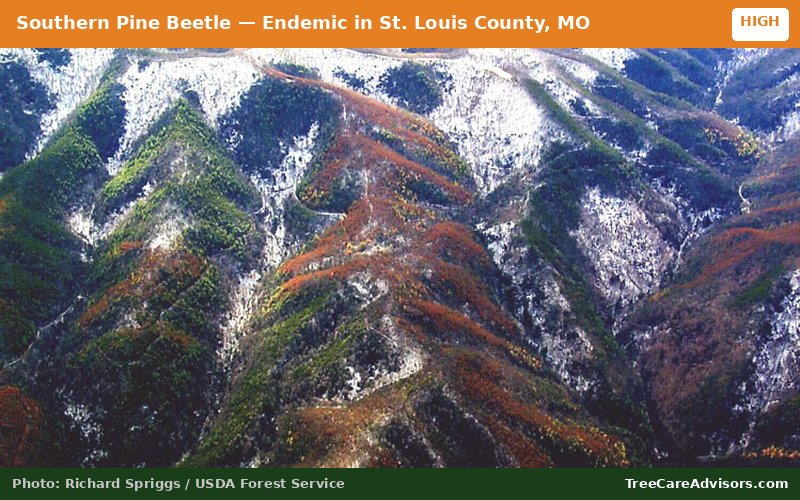
Affects: Loblolly, shortleaf, Virginia, pitch, and other southern pines
Small bark beetle (size of a grain of rice) that mass-attacks stressed pines. Trees die rapidly when beetle populations overwhelm defenses. Outbreaks can kill thousands of acres of pine.
Ladue Tree Data
Hiring a Tree Service in Ladue
With 359 landscaping companies in St. Louis County, verification is key. Always hire an ISA Certified Arborist who carries personal and property damage insurance. Ask for proof of both. A true professional will provide a detailed, written scope of work, not just a verbal estimate. They should explain the 'why' behind their recommendations, especially for native species like your bur oaks or sugar maples, which are worth preserving with proper care.
Nearby Areas We Serve
Get Tree Care Quotes in Ladue
Compare ISA-certified arborists serving Ladue and St. Louis County.
Get Free Quotes