Tree Care in Knife River, MN
Why Tree Care Matters in Knife River
Professional tree care here is about protecting a significant investment and your safety. Using the industry-standard CTLA method, a mature, healthy Bur Oak in your yard has a real, quantifiable value that adds thousands to your property. Conversely, a declining tree is a quantifiable liability. With Emerald Ash Borer confirmed in the region and Oak Wilt a constant threat, reactive care is not enough. A proactive plan manages these pests and the structural weaknesses our wind and soil conditions exploit, preserving your property's value and preventing damage.
Your Tree's History
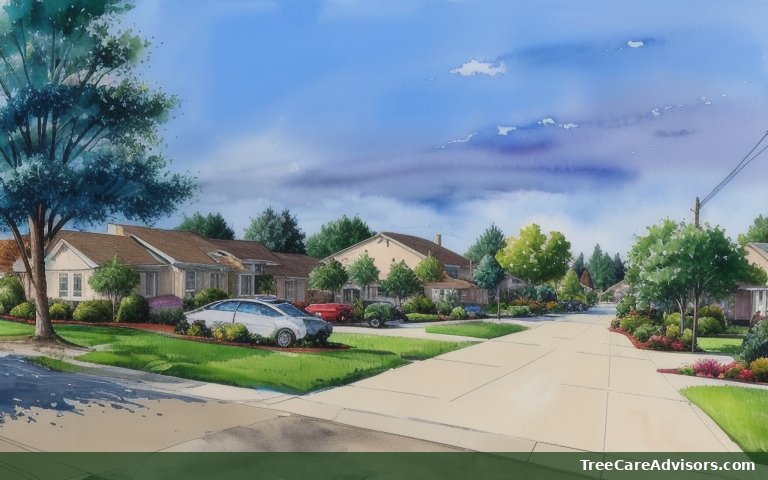
Most homes here were built around 1989, meaning the landscaping is about 37 years old. This is a critical maturity point for trees. The popular species planted then, like Green Ash and Silver Maple, are now entering a phase of accelerated decline. These problem species from the 80s and 90s are large enough to cause major damage if they fail. Furthermore, their root systems are confined by original planting pits and decades of soil compaction, making them more susceptible to uprooting during our frequent storms. The era of your home directly predicts the tree issues you face today.
Knife River Climate Profile
Risk Assessment
Growing & Pruning
Tree Services in Knife River
Tree Removal
Safe removal of dead, dying, hazardous, or unwanted trees
Tree Trimming & Pruning
Professional pruning for health, safety, and appearance
Stump Grinding & Removal
Complete stump removal after tree cutting
Emergency Tree Service
24/7 response for storm damage, fallen trees, and hazardous situations
Tree Health & Disease Treatment
Diagnosis and treatment of tree pests, diseases, and nutrient deficiencies
Common Trees in Knife River
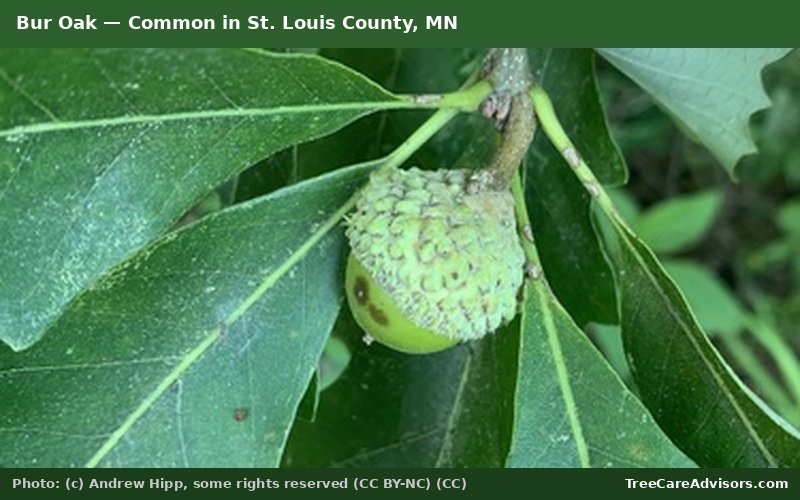
Bur Oak
Toughest native oak - drought, cold, and wind tolerant. Massive specimens
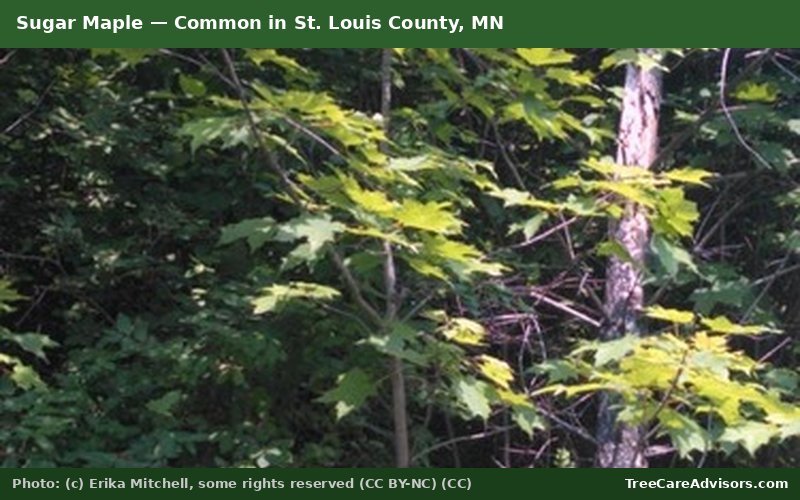
Sugar Maple
Fall color champion, syrup production, but salt-sensitive along roads
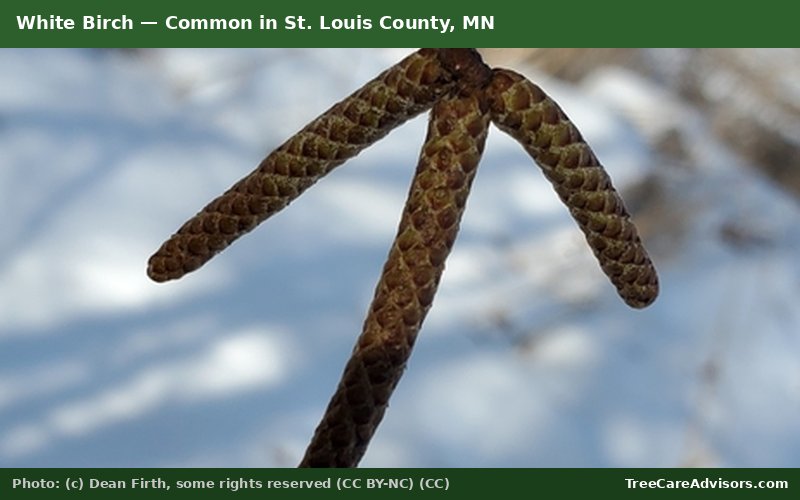
White Birch (Paper Birch)
Iconic white bark, short-lived (40-50 years), bronze birch borer vulnerable
Eastern White Pine
Tall, fast-growing, soft needles - blister rust susceptible
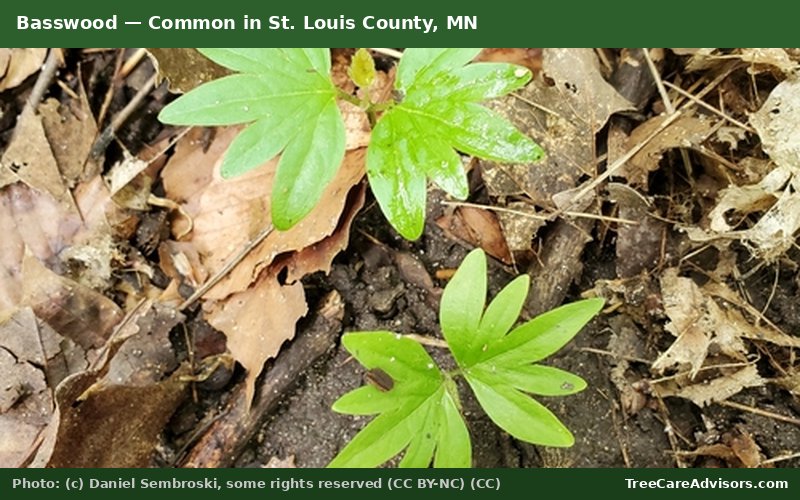
Basswood (American Linden)
Excellent shade, fragrant flowers, attracts pollinators
Active Tree Threats in St. Louis County
Emerald Ash Borer (EAB) critical
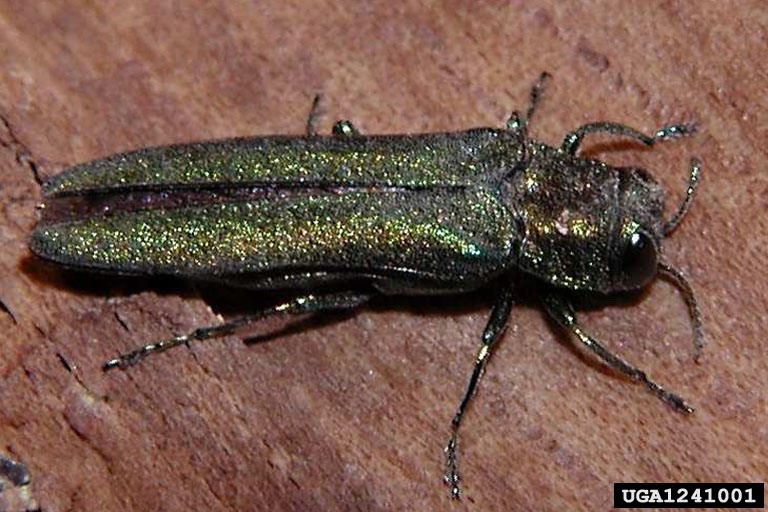
Affects: All ash species (Fraxinus) - green, white, black, blue ash
Metallic green beetle native to Asia. Larvae feed under bark, cutting off water and nutrient transport. Tree dies within 2-5 years of infestation. Has killed hundreds of millions of ash trees in North America since 2002.
Spotted Lanternfly high
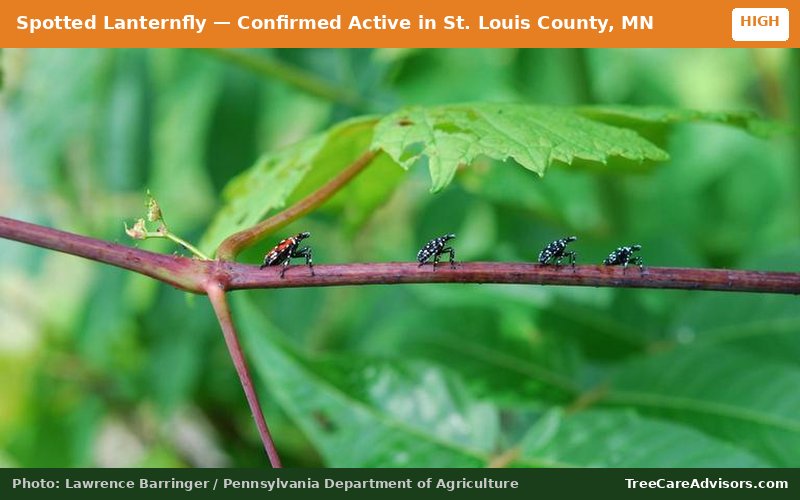
Affects: Tree of Heaven (primary host), but feeds on 70+ species including maples, oaks, walnut, willow, birch, grape
Showy planthopper from Asia. Feeds on sap, excretes honeydew that promotes sooty mold. Doesn't usually kill trees directly but weakens them and creates a mess. Major agricultural pest on grapes and orchards.
Oak Wilt high
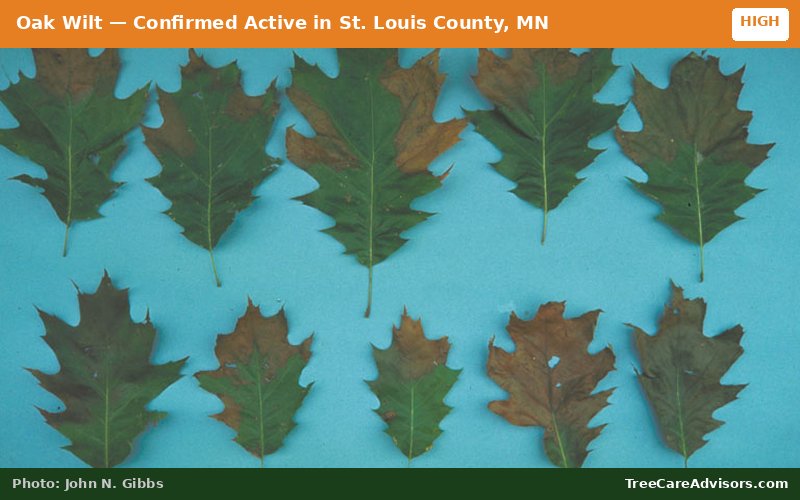
Affects: Red oak group (red, pin, scarlet, black - usually fatal). White oak group (white, bur, swamp white - slower, sometimes survivable).
Fungal disease (Ceratocystis fagacearum) that clogs water-conducting vessels. Red oaks can die within weeks. Spreads through connected root systems between nearby oaks and via beetles attracted to fresh wounds.
Knife River Tree Data
Hiring a Tree Service in Knife River
With 56 landscaping companies in the area, choosing the right one is key. For tree care, specifically look for an ISA Certified Arborist licensed to work in St. Louis County. Ask for proof of insurance and for their specific plan regarding local threats like EAB and Oak Wilt. A true professional will explain the risks to your Bur Oaks or White Pines in plain terms and provide a detailed, written scope of work, not just a vague estimate.
Get Tree Care Quotes in Knife River
Compare ISA-certified arborists serving Knife River and St. Louis County.
Get Free Quotes