Tree Care in Lamont, MI
Why Tree Care Matters in Lamont
Professional tree care here is about protecting your investment and managing specific local risks. We have Emerald Ash Borer, which has killed most untreated ash trees, and Oak Wilt is a constant threat to our native Bur Oaks. With nearly four storm events a year, a weak branch or a poorly structured Silver Maple can become a real liability. Proactive care, like proper pruning for wind resistance and monitoring for pests, is far less costly than emergency removal or property damage after a storm. It's the difference between maintaining an asset and dealing with an expensive problem.
Your Tree's History
The trees planted when your home was built in the early 2000s face a common issue. Landscapers often planted fast-growing species like Silver Maple or Green Ash to give new properties quick shade. Now, 25 years later, those trees are large but often structurally weak or, in the case of ash, dead or dying from EAB. They may be planted too close to houses or utilities. This era of landscaping requires a reassessment. We need to evaluate these maturing trees for safety, replace problem species with sturdy natives like Oak or Pine, and ensure the next 25 years are safe and stable.
Lamont Climate Profile
Risk Assessment
Growing & Pruning
Tree Services in Lamont
Tree Removal
Safe removal of dead, dying, hazardous, or unwanted trees
Tree Trimming & Pruning
Professional pruning for health, safety, and appearance
Stump Grinding & Removal
Complete stump removal after tree cutting
Emergency Tree Service
24/7 response for storm damage, fallen trees, and hazardous situations
Tree Health & Disease Treatment
Diagnosis and treatment of tree pests, diseases, and nutrient deficiencies
Common Trees in Lamont
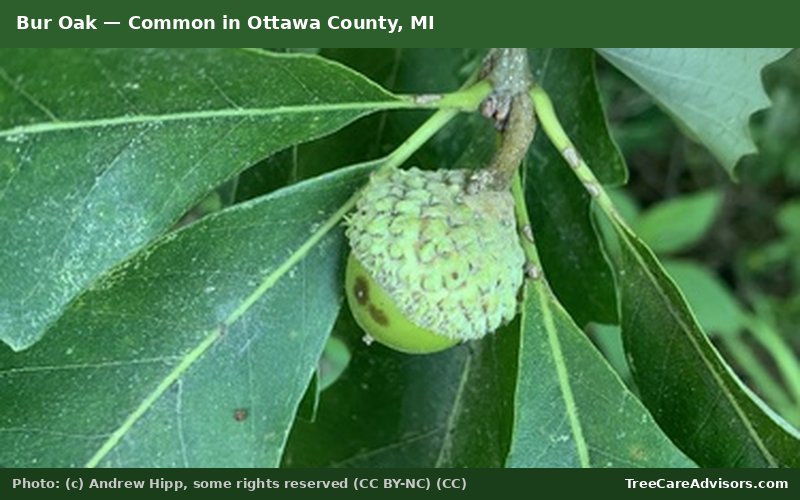
Bur Oak
Toughest native oak - drought, cold, and wind tolerant. Massive specimens
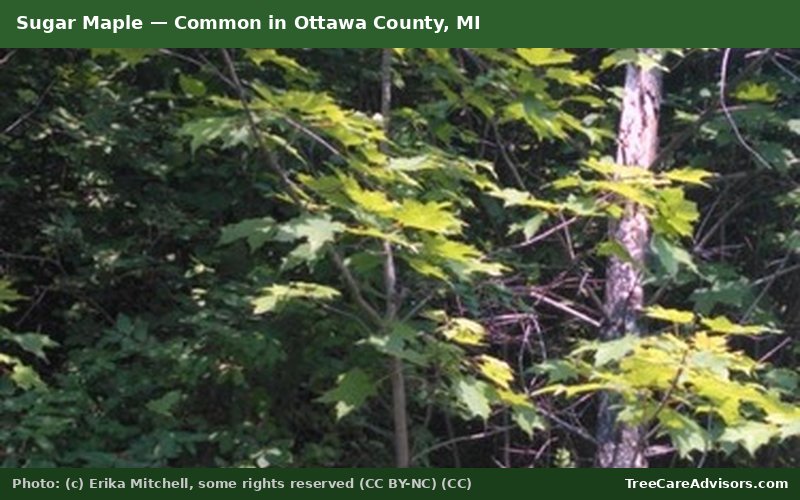
Sugar Maple
Fall color champion, syrup production, but salt-sensitive along roads
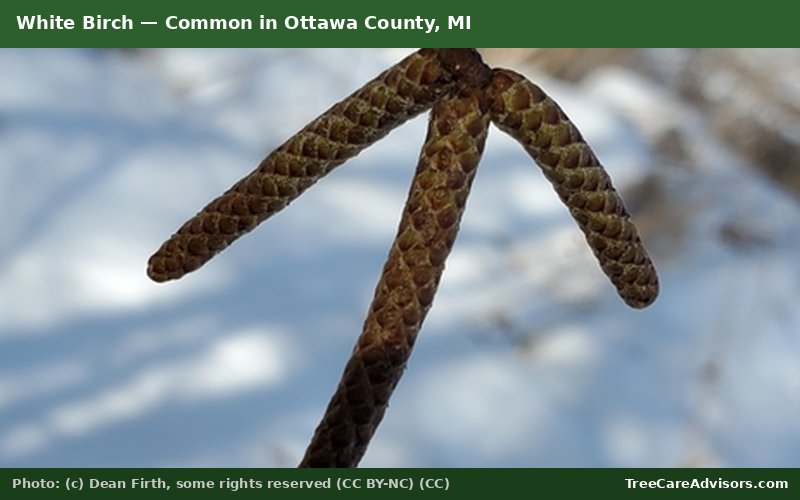
White Birch (Paper Birch)
Iconic white bark, short-lived (40-50 years), bronze birch borer vulnerable
Eastern White Pine
Tall, fast-growing, soft needles - blister rust susceptible
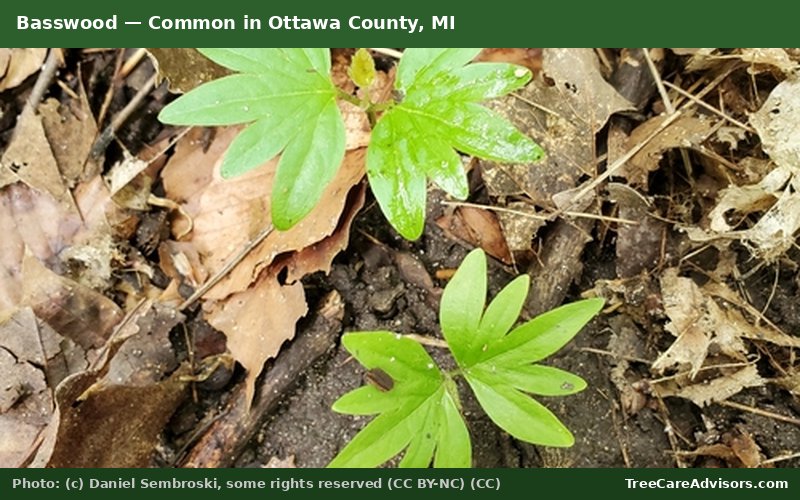
Basswood (American Linden)
Excellent shade, fragrant flowers, attracts pollinators
Active Tree Threats in Ottawa County
Emerald Ash Borer (EAB) critical
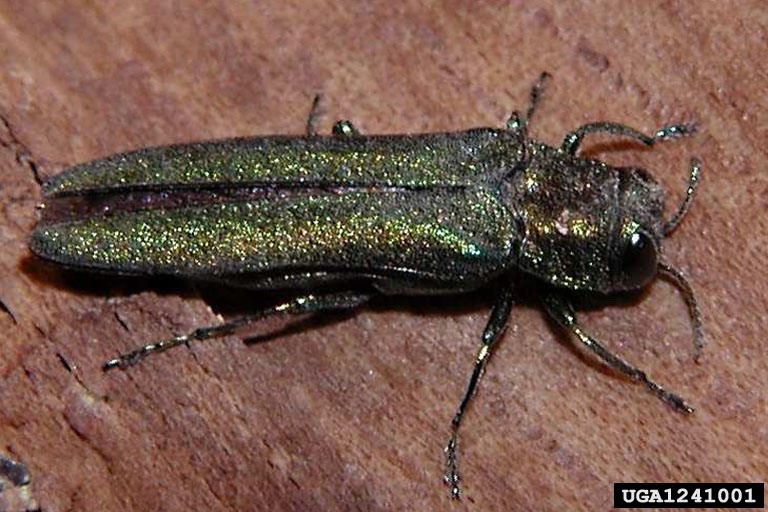
Affects: All ash species (Fraxinus) - green, white, black, blue ash
Metallic green beetle native to Asia. Larvae feed under bark, cutting off water and nutrient transport. Tree dies within 2-5 years of infestation. Has killed hundreds of millions of ash trees in North America since 2002.
Spotted Lanternfly high
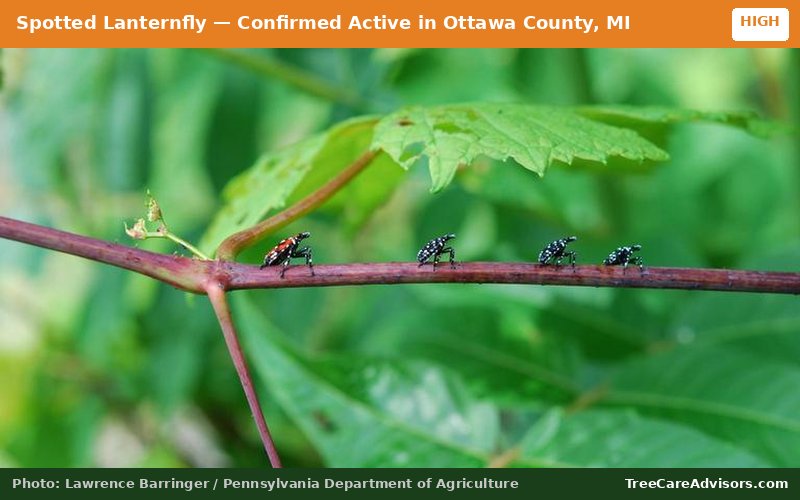
Affects: Tree of Heaven (primary host), but feeds on 70+ species including maples, oaks, walnut, willow, birch, grape
Showy planthopper from Asia. Feeds on sap, excretes honeydew that promotes sooty mold. Doesn't usually kill trees directly but weakens them and creates a mess. Major agricultural pest on grapes and orchards.
Oak Wilt high
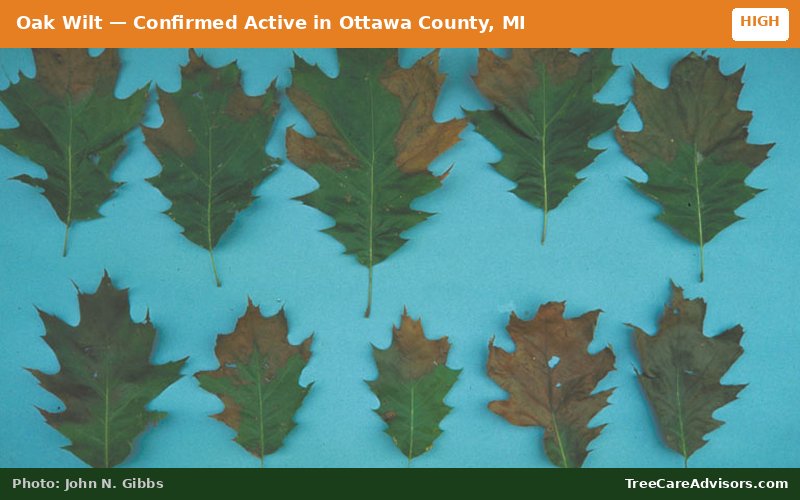
Affects: Red oak group (red, pin, scarlet, black - usually fatal). White oak group (white, bur, swamp white - slower, sometimes survivable).
Fungal disease (Ceratocystis fagacearum) that clogs water-conducting vessels. Red oaks can die within weeks. Spreads through connected root systems between nearby oaks and via beetles attracted to fresh wounds.
Lamont Tree Data
Hiring a Tree Service in Lamont
With over 100 landscaping companies in Ottawa County, it's crucial to hire specifically for tree care. Look for an ISA Certified Arborist who is insured. Ask if they are familiar with local issues like Oak Wilt protocols and EAB management. A true professional will provide a detailed, written estimate and follow ANSI pruning standards, not just offer a cheap price to cut limbs. Your trees are a long-term investment; hire someone who treats them that way.
Nearby Areas We Serve
Get Tree Care Quotes in Lamont
Compare ISA-certified arborists serving Lamont and Ottawa County.
Get Free Quotes