Tree Care in Hills and Dales, KY
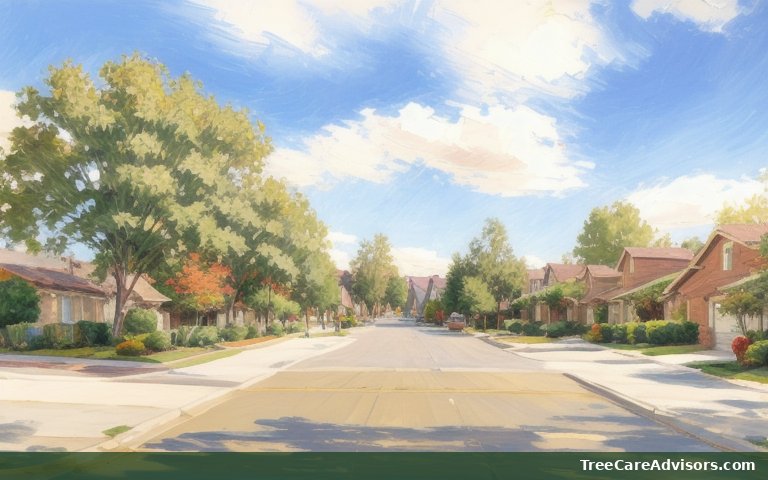
Why Tree Care Matters in Hills and Dales
Professional tree care here isn't just about aesthetics; it's about risk management and asset protection. A mature, healthy native tree like a white oak or sugar maple significantly increases your property value, and its loss is a real financial hit. The Council of Tree and Landscape Appraisers method quantifies this value based on species, size, and condition. Conversely, a failing tree is a liability. Our storm patterns, with sustained winds that can suddenly shift, fatigue weak branch unions common in those old builder-grade trees. Proactive care from someone who knows local pests like Formosan termites and our Jefferson County soils prevents small, affordable problems from becoming catastrophic and expensive ones.
Your Tree's History
The 1960s and 70s development era directly explains today's tree issues in Hills and Dales. Builders prioritized fast growth and low cost, selecting species now known as problems. Norway maples were planted for their dense shade but outcompete our native sugar maples. Silver maples grew quickly but have brittle branches. The now-ubiquitous Bradford pear was the landscape darling for its spring flowers. None of these choices considered the tree's mature structure or lifespan, which we are now witnessing in full. The result is a generation of trees simultaneously reaching the end of their functional life expectancy, creating a concentrated need for assessment, care, or removal.
Hills and Dales Climate Profile
Risk Assessment
Growing & Pruning
Tree Services in Hills and Dales
Tree Removal
Safe removal of dead, dying, hazardous, or unwanted trees
Tree Trimming & Pruning
Professional pruning for health, safety, and appearance
Stump Grinding & Removal
Complete stump removal after tree cutting
Emergency Tree Service
24/7 response for storm damage, fallen trees, and hazardous situations
Tree Health & Disease Treatment
Diagnosis and treatment of tree pests, diseases, and nutrient deficiencies
Common Trees in Hills and Dales
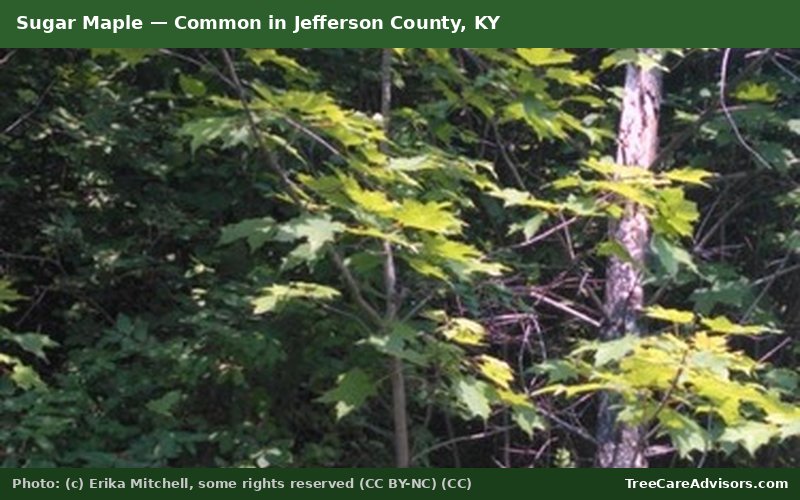
Sugar Maple
The iconic fall color tree - brilliant orange/red, shade champion, slow-growing
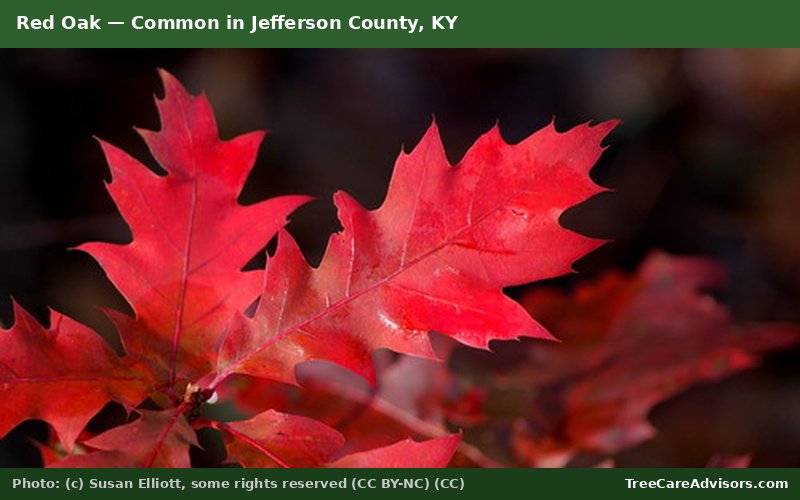
Red Oak
Fast-growing oak, excellent shade, good fall color, valuable timber
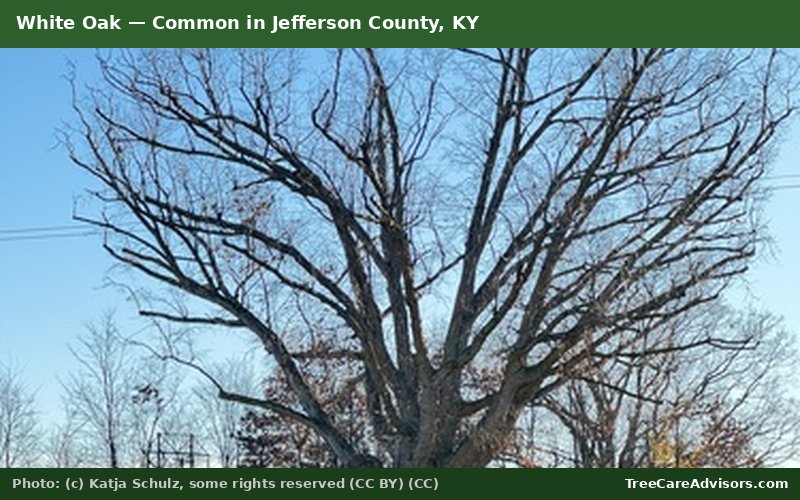
White Oak
Long-lived (300-600 years), wide-spreading, slow-growing, acorn producer
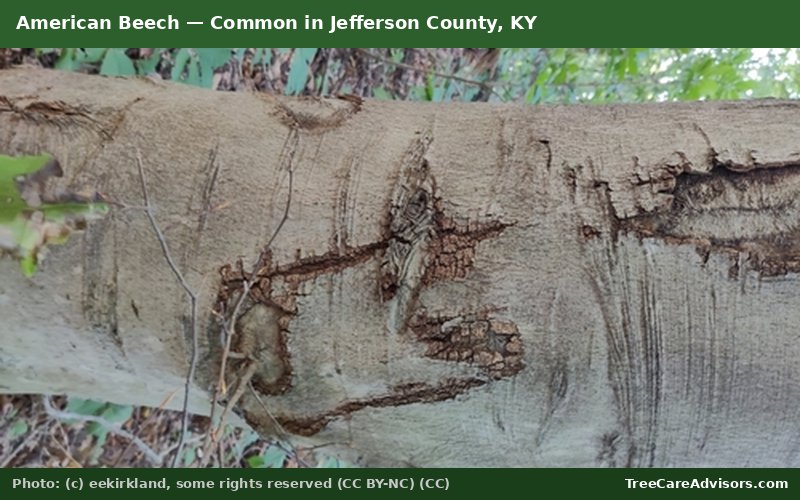
American Beech
Smooth gray bark, golden fall color, shallow roots, colonial root sprouts
Eastern White Pine
Tallest eastern conifer, soft needles, susceptible to white pine weevil
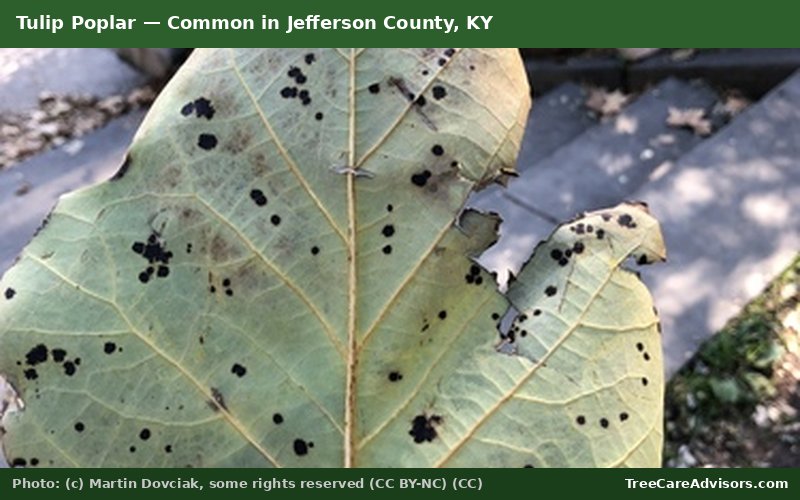
Tulip Poplar
Fast-growing, very tall (80-100ft), tulip-shaped flowers, yellow fall color
Active Tree Threats in Jefferson County
Formosan Subterranean Termites critical
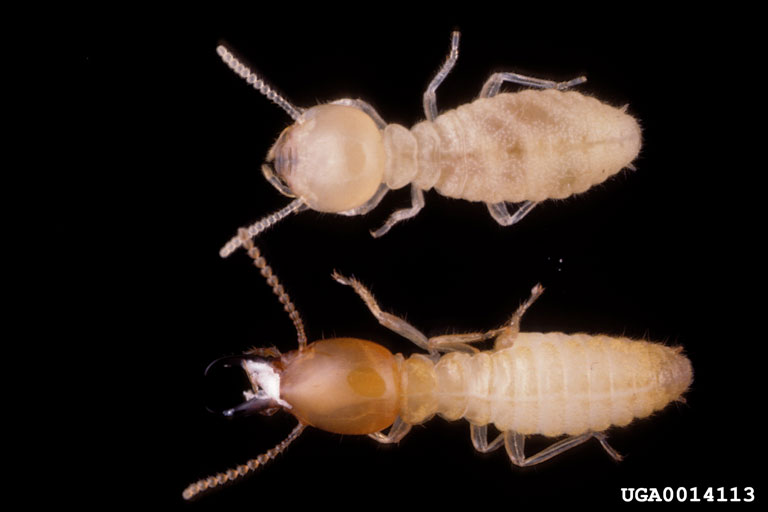
Affects: Both dead wood and living trees - will hollow out live oaks and other species from the inside
The most destructive termite species in the US. Colonies can contain millions of individuals. Unlike native termites, Formosans build above-ground carton nests IN living trees, consuming heartwood while the tree appears healthy from outside.
Laurel Wilt critical
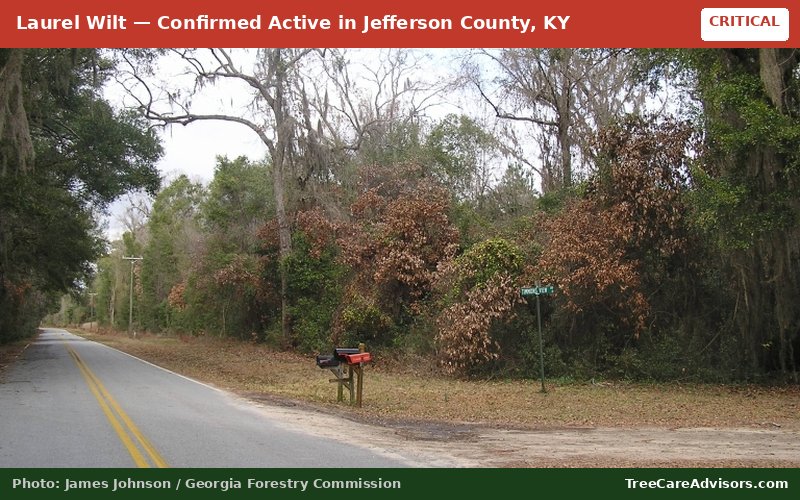
Affects: Redbay, sassafras, swamp bay, avocado, pondspice
Fungal disease spread by the redbay ambrosia beetle (invasive from Asia). The beetle introduces the fungus when it bores into the tree to farm. Has killed over 300 million redbays and threatens the avocado industry.
Southern Pine Beetle high
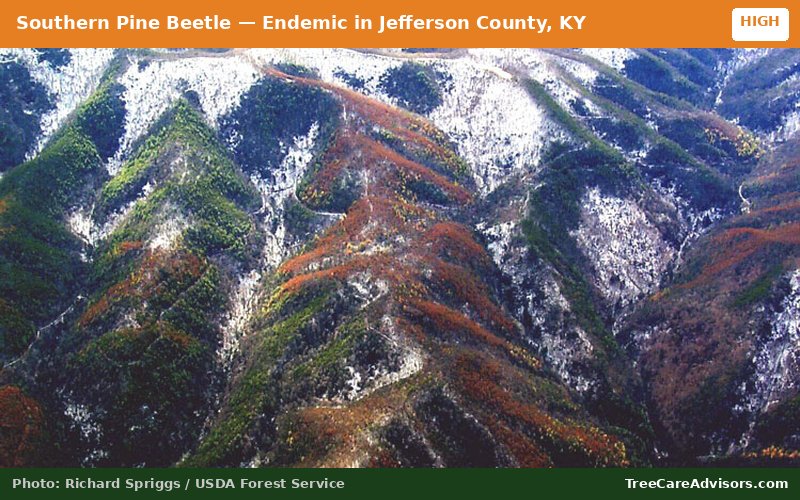
Affects: Loblolly, shortleaf, Virginia, pitch, and other southern pines
Small bark beetle (size of a grain of rice) that mass-attacks stressed pines. Trees die rapidly when beetle populations overwhelm defenses. Outbreaks can kill thousands of acres of pine.
Hills and Dales Tree Data
Hiring a Tree Service in Hills and Dales
With 246 landscaping companies in Jefferson County, choosing the right one is critical. Look for a certified arborist who will provide a written, detailed report, not just a quick quote. They should specifically identify tree species, explain the actual defects present using terms you understand, and reference local threats like saturated soil uprooting or laurel wilt disease. Avoid anyone who recommends topping trees or suggests non-specific 'spraying.' Your arborist should be insured, but more importantly, they should sound like a consultant who understands the unique context of our 57-year-old neighborhood landscapes.
Nearby Areas We Serve
Get Tree Care Quotes in Hills and Dales
Compare ISA-certified arborists serving Hills and Dales and Jefferson County.
Get Free Quotes