Tree Care in East Lynn, IL
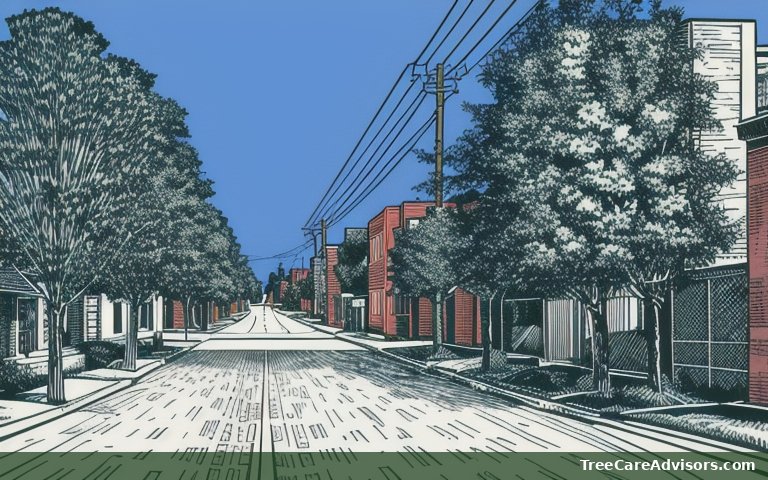
Why Tree Care Matters in East Lynn
Professional care here is about risk management and protecting your investment. A mature, well-maintained tree adds significant property value, calculated using the industry-standard CTLA method that factors in species, size, and condition. The alternative is costly. An unmanaged Silver Maple or a Green Ash compromised by Emerald Ash Borer is a liability. Storm patterns in Vermilion County mean different failures; wind takes branches with weak unions or uproots trees in soggy soil. Proactive care from someone who knows these local patterns prevents emergency removal costs and protects your home.
Your Tree's History
Homes built in the 2000s and 2010s often had landscaping installed by builders on a budget. Trees were planted quickly, sometimes too deep or without proper staking, and species selection wasn't always ideal for the long term. Now, 13 years later, those original planting mistakes are becoming apparent as structural flaws. You might see poor trunk form, girdling roots, or the early signs of stress in less suitable species like Siberian Elm. This era's trees need a corrective assessment to fix those foundational issues before they become hazardous or require removal.
East Lynn Climate Profile
Risk Assessment
Growing & Pruning
Tree Services in East Lynn
Tree Removal
Safe removal of dead, dying, hazardous, or unwanted trees
Tree Trimming & Pruning
Professional pruning for health, safety, and appearance
Stump Grinding & Removal
Complete stump removal after tree cutting
Emergency Tree Service
24/7 response for storm damage, fallen trees, and hazardous situations
Tree Health & Disease Treatment
Diagnosis and treatment of tree pests, diseases, and nutrient deficiencies
Common Trees in East Lynn
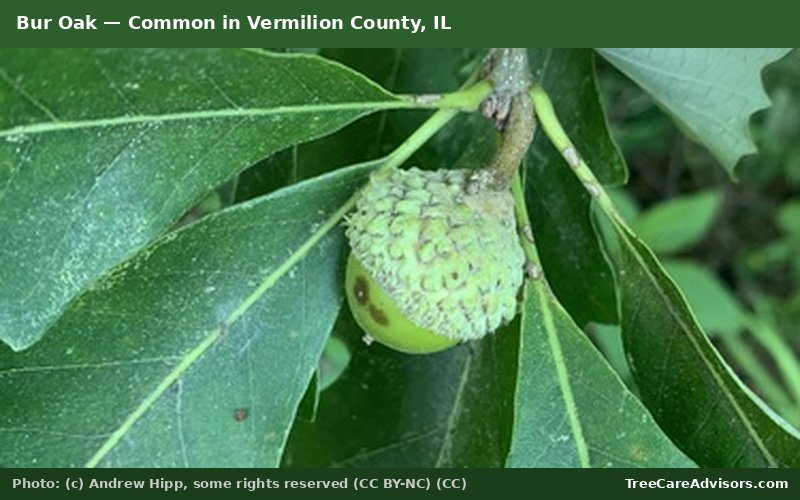
Bur Oak
Toughest native oak - drought, cold, and wind tolerant. Massive specimens
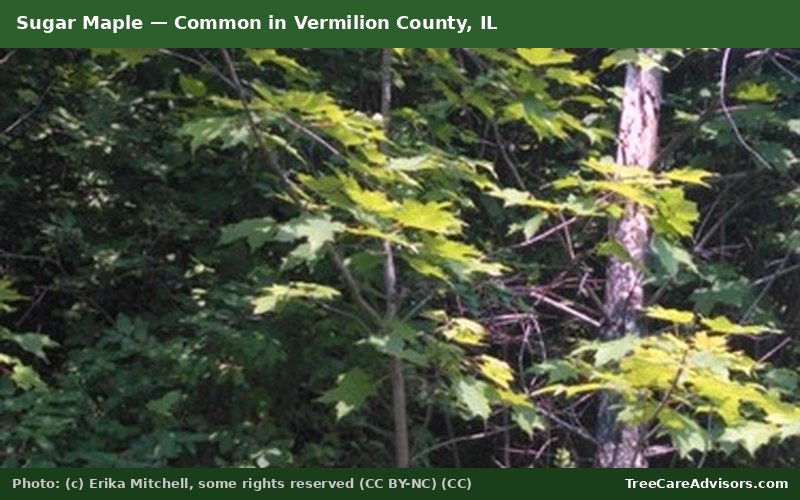
Sugar Maple
Fall color champion, syrup production, but salt-sensitive along roads
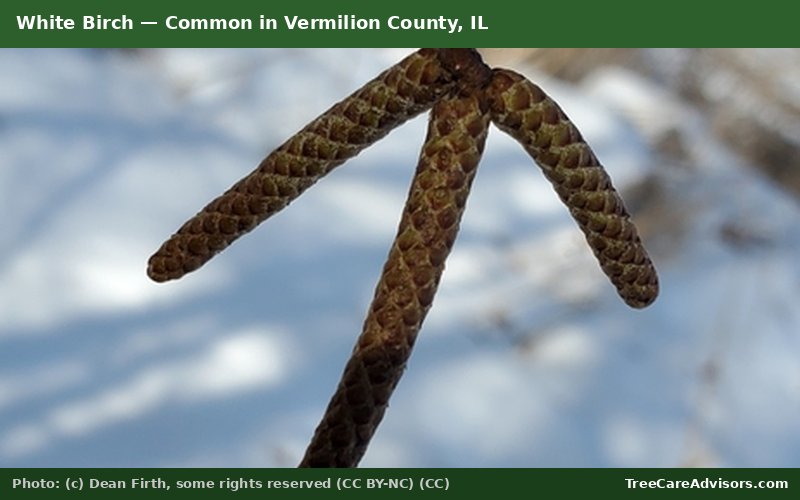
White Birch (Paper Birch)
Iconic white bark, short-lived (40-50 years), bronze birch borer vulnerable
Eastern White Pine
Tall, fast-growing, soft needles - blister rust susceptible
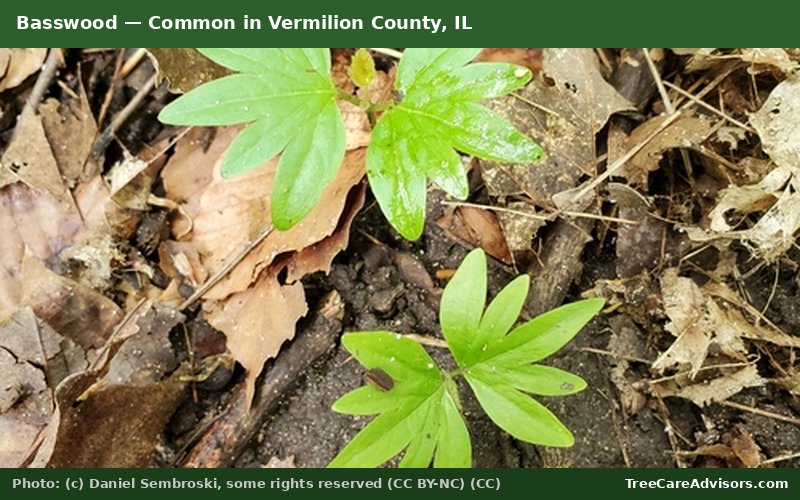
Basswood (American Linden)
Excellent shade, fragrant flowers, attracts pollinators
Active Tree Threats in Vermilion County
Emerald Ash Borer (EAB) critical
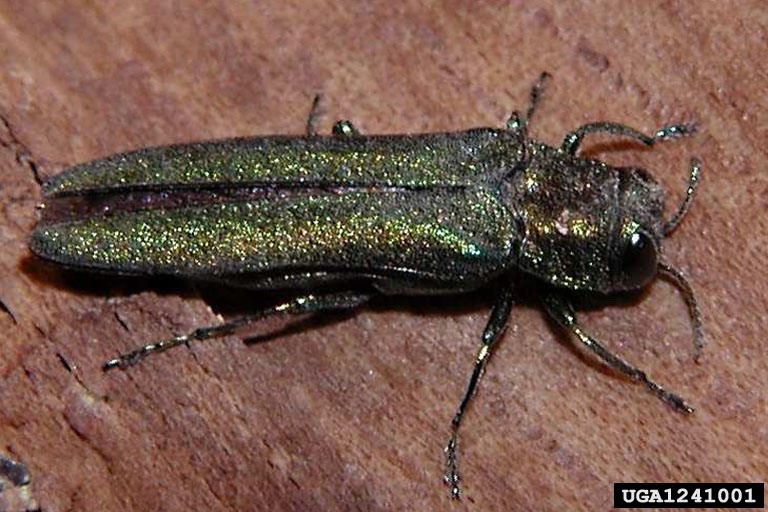
Affects: All ash species (Fraxinus) - green, white, black, blue ash
Metallic green beetle native to Asia. Larvae feed under bark, cutting off water and nutrient transport. Tree dies within 2-5 years of infestation. Has killed hundreds of millions of ash trees in North America since 2002.
Spotted Lanternfly high
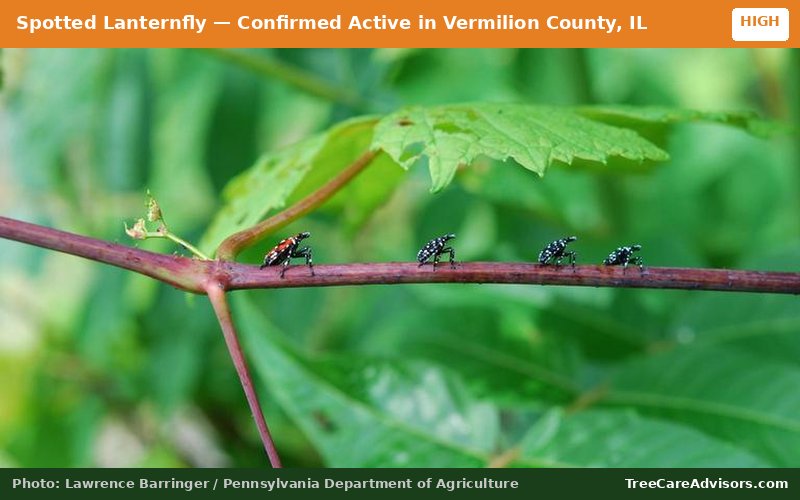
Affects: Tree of Heaven (primary host), but feeds on 70+ species including maples, oaks, walnut, willow, birch, grape
Showy planthopper from Asia. Feeds on sap, excretes honeydew that promotes sooty mold. Doesn't usually kill trees directly but weakens them and creates a mess. Major agricultural pest on grapes and orchards.
Oak Wilt high
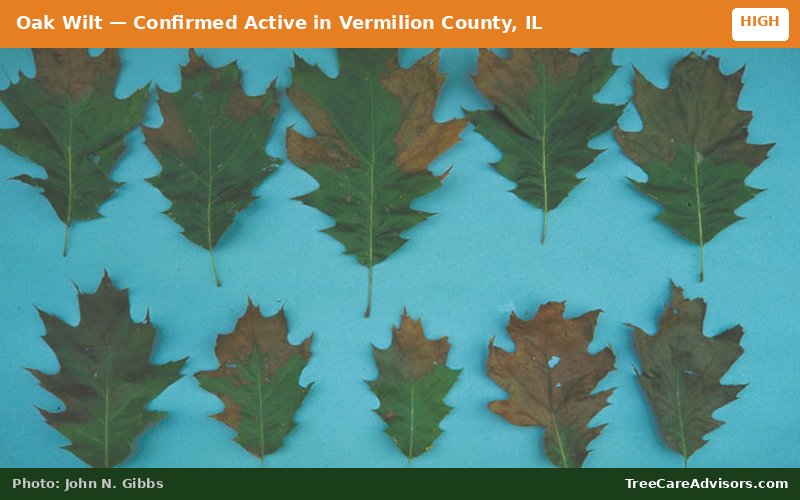
Affects: Red oak group (red, pin, scarlet, black - usually fatal). White oak group (white, bur, swamp white - slower, sometimes survivable).
Fungal disease (Ceratocystis fagacearum) that clogs water-conducting vessels. Red oaks can die within weeks. Spreads through connected root systems between nearby oaks and via beetles attracted to fresh wounds.
East Lynn Tree Data
Hiring a Tree Service in East Lynn
With about ten landscaping companies in the area, you need to be specific. Look for a certified arborist who understands Vermilion County's soil and storm patterns. Ask them directly about their experience with Emerald Ash Borer management and Oak Wilt prevention, which are active threats here. A true professional will diagnose issues by specific species and explain the local weather risks to your property, not just offer generic trimming services.
Get Tree Care Quotes in East Lynn
Compare ISA-certified arborists serving East Lynn and Vermilion County.
Get Free Quotes