Tree Care in Waikele, HI
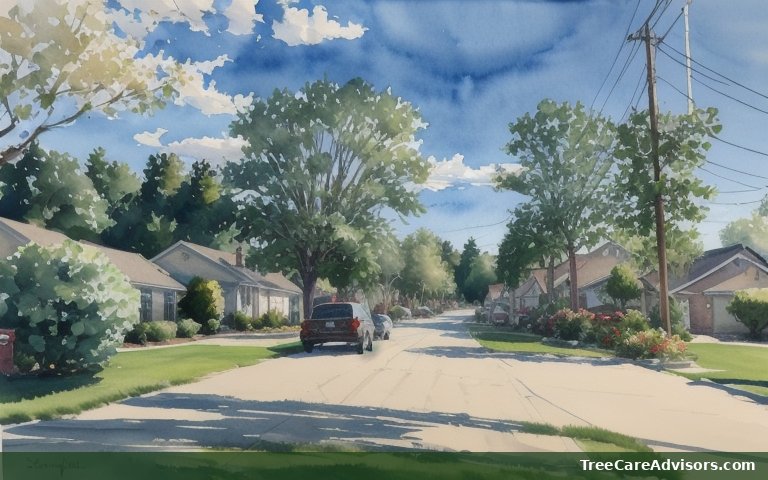
Why Tree Care Matters in Waikele
Professional tree care here protects a significant financial asset. A mature, healthy tree is appraised for thousands of dollars using the industry-standard CTLA method, which factors in its species, size, and condition. More urgently, proactive care is your first defense against specific local threats. This includes monitoring for Rapid Ohia Death in native Ohia trees and managing invasive species like Albizia, which can become hazardous liabilities in wind events. Proper care directly safeguards your property value and safety.
Your Tree's History
Waikele's homes were largely built in the 1990s, a period of rapid development. The landscaping from that era often favored fast-growing, non-native trees for quick shade and aesthetic appeal. This is why we now see so many problem species like the brittle Albizia and the invasive Ironwood on properties. These 30-year-old trees are now at a size where their structural weaknesses and invasive natures are becoming apparent, requiring assessment and often corrective care or removal to ensure property safety.
Waikele Climate Profile
Risk Assessment
Growing & Pruning
Tree Services in Waikele
Tree Removal
Safe removal of dead, dying, hazardous, or unwanted trees
Tree Trimming & Pruning
Professional pruning for health, safety, and appearance
Stump Grinding & Removal
Complete stump removal after tree cutting
Emergency Tree Service
24/7 response for storm damage, fallen trees, and hazardous situations
Tree Health & Disease Treatment
Diagnosis and treatment of tree pests, diseases, and nutrient deficiencies
Common Trees in Waikele
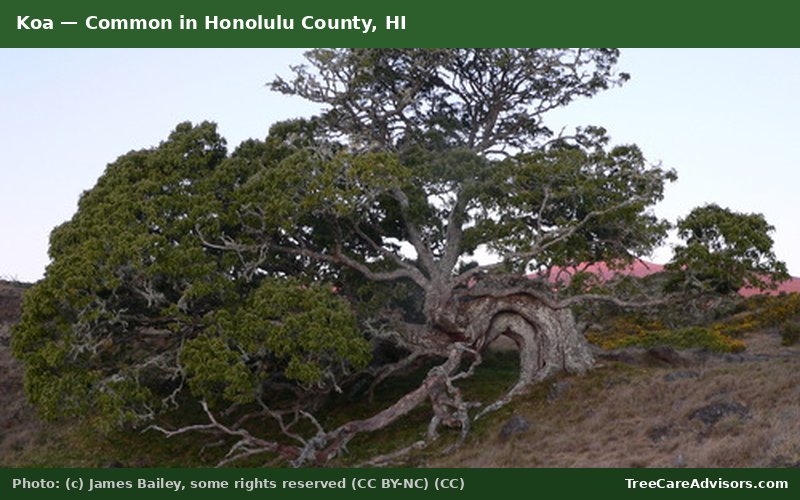
Koa
Hawaii's most valuable native tree - beautiful wood, nitrogen-fixing, reforestation priority
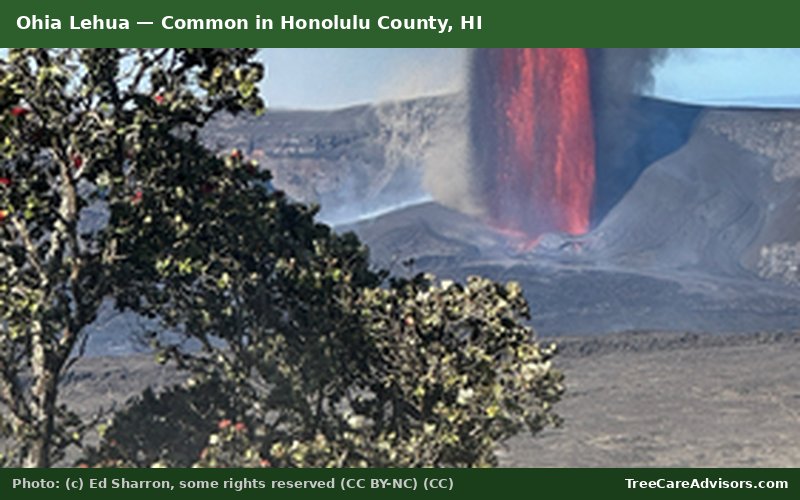
Ohia Lehua
Sacred native tree - threatened by Rapid Ohia Death fungus
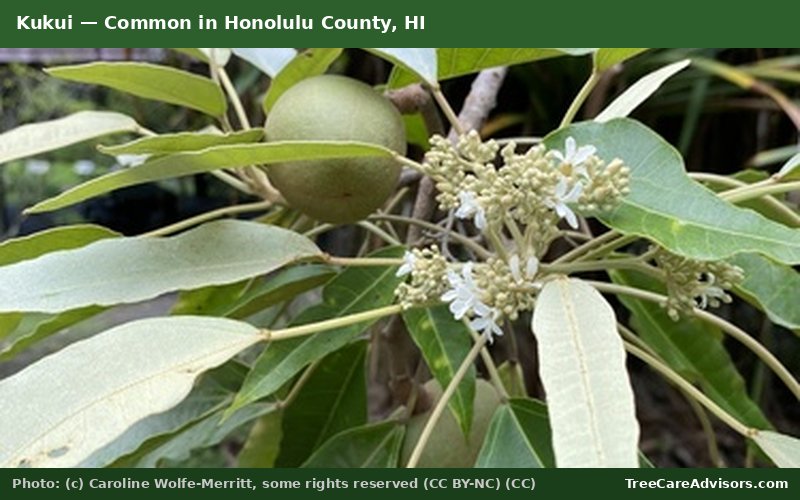
Kukui (Candlenut)
State tree of Hawaii, large spreading canopy, oily nuts
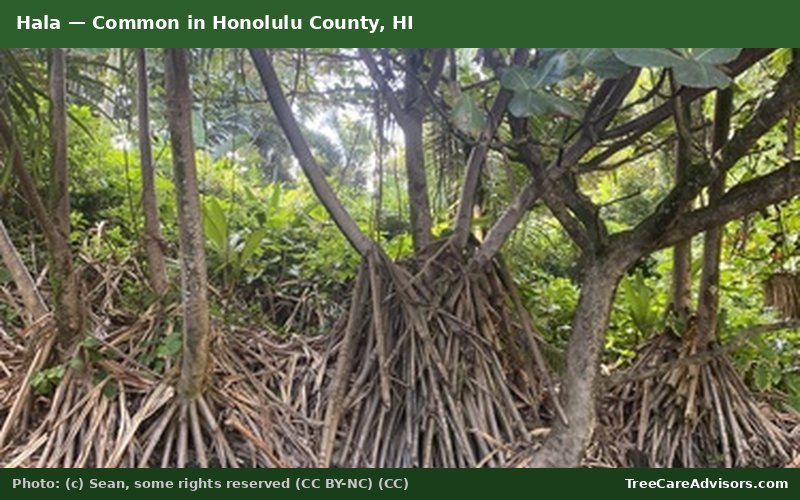
Hala (Pandanus)
Coastal native, prop roots, culturally important for weaving
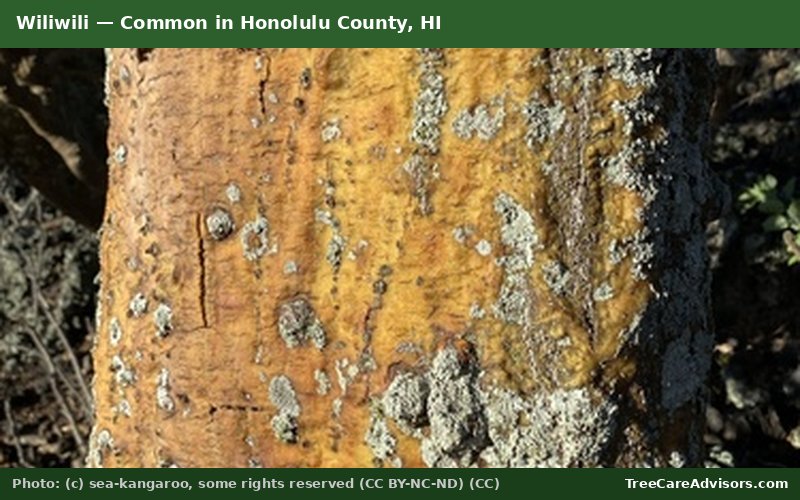
Wiliwili
Native dryland tree, coral-like flowers, erythrina gall wasp nearly wiped them out
Active Tree Threats in Honolulu County
Rapid Ohia Death (ROD) critical
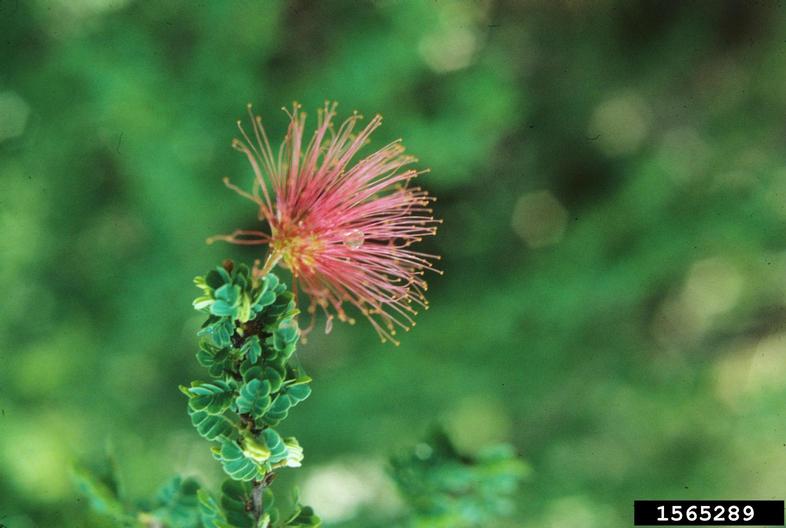
Affects: Ohia Lehua (Metrosideros polymorpha) - the most important native forest tree in Hawaii
Two Ceratocystis fungi that kill ohia trees by clogging their vascular system. Trees can die within weeks. Ohia forms 80% of Hawaii's native forest canopy - its loss would be catastrophic for the ecosystem.
Erythrina Gall Wasp high
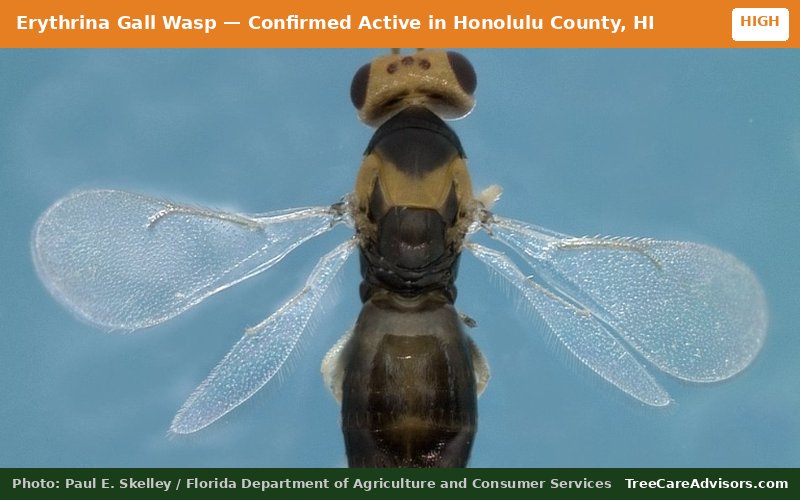
Affects: Erythrina species - wiliwili (native), coral trees (ornamental)
Tiny wasp from Africa that lays eggs in erythrina leaves, causing severe galling that defoliates and can kill trees. Nearly wiped out native wiliwili trees before biological control wasps were released.
Coconut Rhinoceros Beetle high
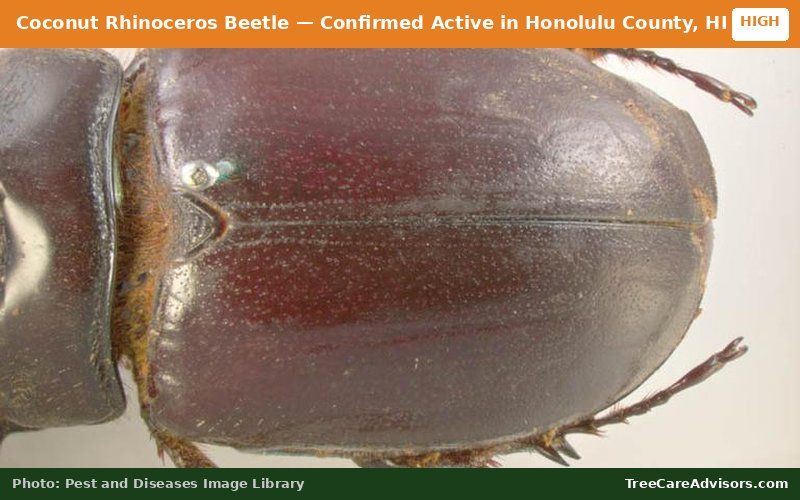
Affects: Coconut palm (primary), other palms, potentially other plants
Large beetle (2 inches) that bores into the crowns of coconut palms to feed on sap. Damages the growing point, reducing coconut production and potentially killing the palm. A serious threat to Hawaii's coconut palms and palm-based landscaping.
Waikele Tree Data
Hiring a Tree Service in Waikele
With over 150 landscaping companies in Honolulu County, you need to be specific. Look for a certified arborist with experience diagnosing local threats like the Erythrina Gall Wasp or Coconut Rhinoceros Beetle. Ask for proof of insurance and references from jobs dealing with Waikele's common soil and mature tree issues. A true professional will provide a detailed, written assessment, not just a quick quote for removal.
Nearby Areas We Serve
Get Tree Care Quotes in Waikele
Compare ISA-certified arborists serving Waikele and Honolulu County.
Get Free Quotes