Tree Care in Kawela Bay, HI
Why Tree Care Matters in Kawela Bay
Professional tree care here is about risk management and preservation. Our year-round growing season means trees never fully dormancy, so issues like decay or pest infestation can progress rapidly. We have specific, serious threats like Rapid Ohia Death, which can kill a native Ohia Lehua in weeks. A certified arborist assesses your trees using industry-standard methods that assign a real monetary value to them, considering their species, size, and condition. This isn't just about trimming; it's about protecting a major asset and preventing the failure of a 50-foot Albizia onto your home.
Your Tree's History
The homes in Kawela Bay were largely built in the mid-1970s, and the landscaping reflects that era's preferences. Developers and early homeowners often selected exotic, fast-growing species like Strawberry Guava or Albizia to create an instant tropical canopy. Now, 50 years later, those trees have reached their mature size and are often declining or showing structural flaws. This means many properties are dealing with the same set of issues simultaneously: oversized trees, invasive root systems, and non-native species that crowd out the ecology your garden could support.
Kawela Bay Climate Profile
Risk Assessment
Growing & Pruning
Tree Services in Kawela Bay
Tree Removal
Safe removal of dead, dying, hazardous, or unwanted trees
Tree Trimming & Pruning
Professional pruning for health, safety, and appearance
Stump Grinding & Removal
Complete stump removal after tree cutting
Emergency Tree Service
24/7 response for storm damage, fallen trees, and hazardous situations
Tree Health & Disease Treatment
Diagnosis and treatment of tree pests, diseases, and nutrient deficiencies
Common Trees in Kawela Bay
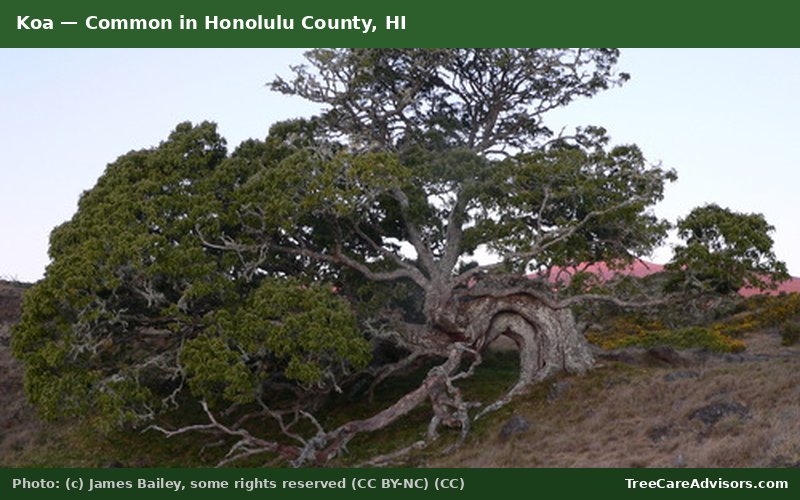
Koa
Hawaii's most valuable native tree - beautiful wood, nitrogen-fixing, reforestation priority
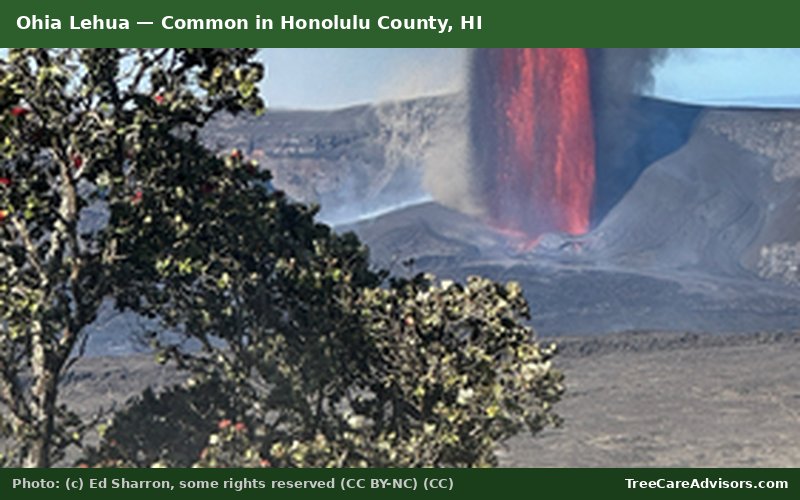
Ohia Lehua
Sacred native tree - threatened by Rapid Ohia Death fungus
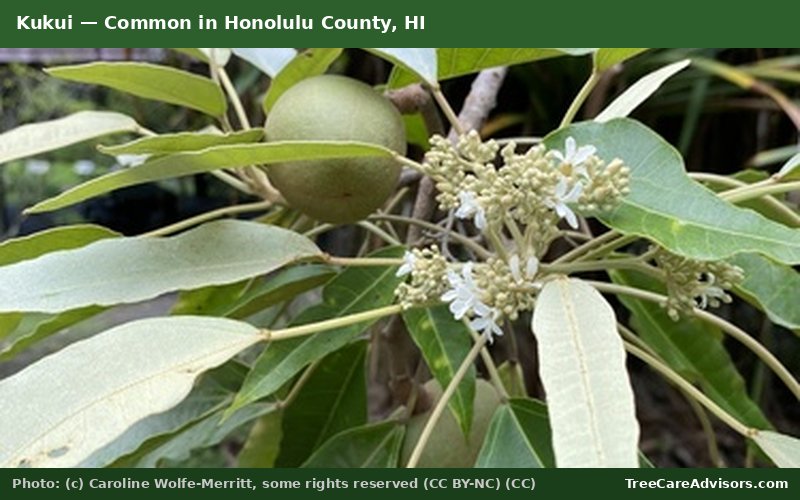
Kukui (Candlenut)
State tree of Hawaii, large spreading canopy, oily nuts
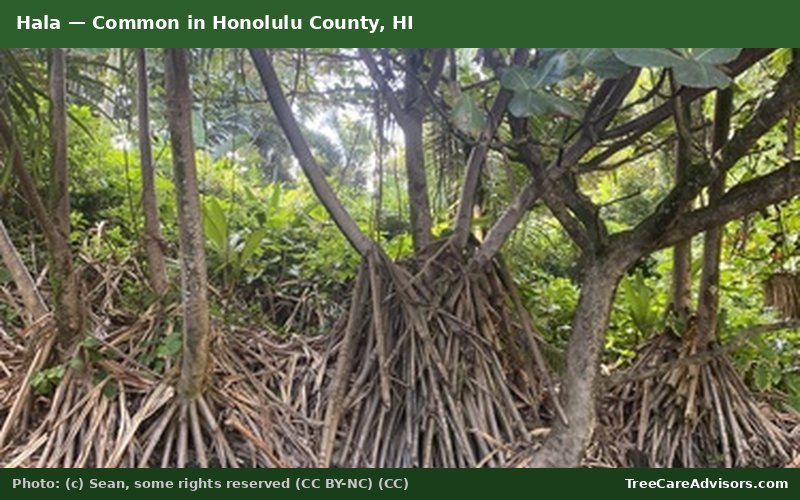
Hala (Pandanus)
Coastal native, prop roots, culturally important for weaving
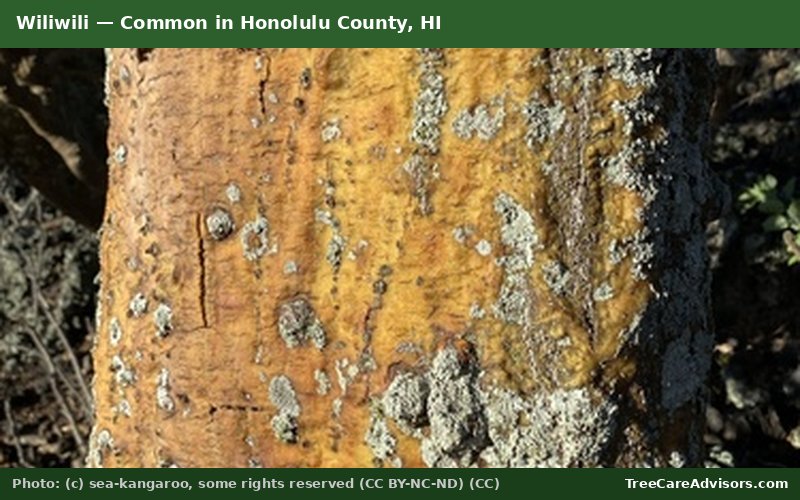
Wiliwili
Native dryland tree, coral-like flowers, erythrina gall wasp nearly wiped them out
Active Tree Threats in Honolulu County
Rapid Ohia Death (ROD) critical
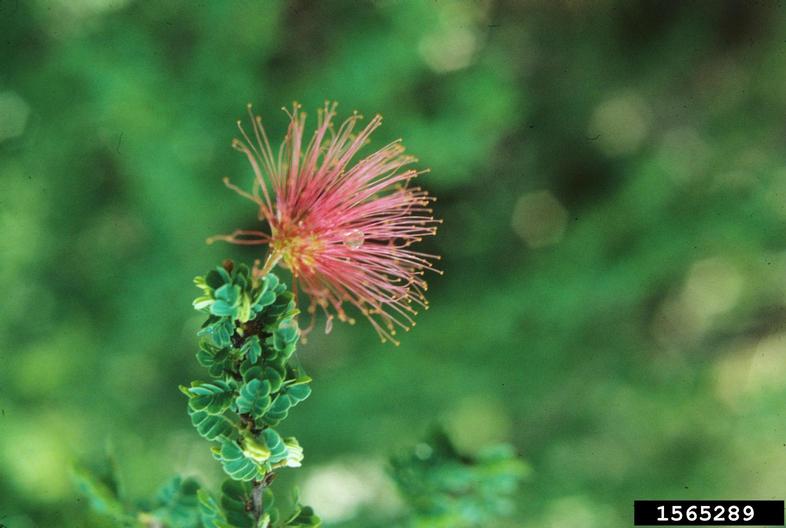
Affects: Ohia Lehua (Metrosideros polymorpha) - the most important native forest tree in Hawaii
Two Ceratocystis fungi that kill ohia trees by clogging their vascular system. Trees can die within weeks. Ohia forms 80% of Hawaii's native forest canopy - its loss would be catastrophic for the ecosystem.
Erythrina Gall Wasp high
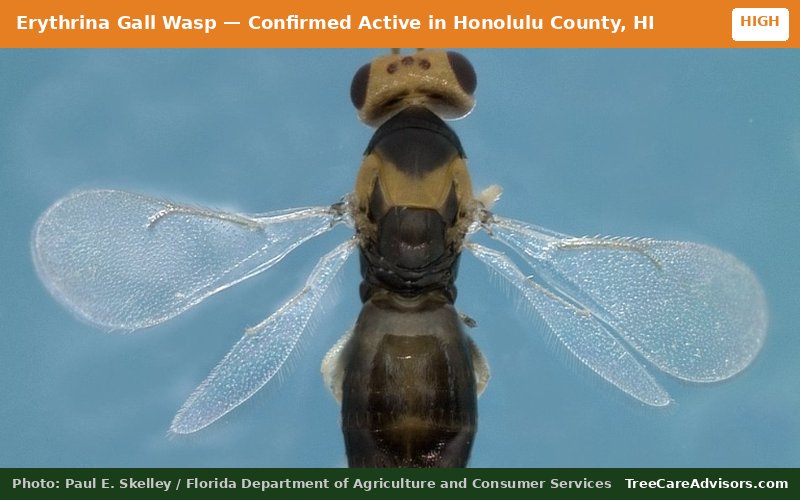
Affects: Erythrina species - wiliwili (native), coral trees (ornamental)
Tiny wasp from Africa that lays eggs in erythrina leaves, causing severe galling that defoliates and can kill trees. Nearly wiped out native wiliwili trees before biological control wasps were released.
Coconut Rhinoceros Beetle high
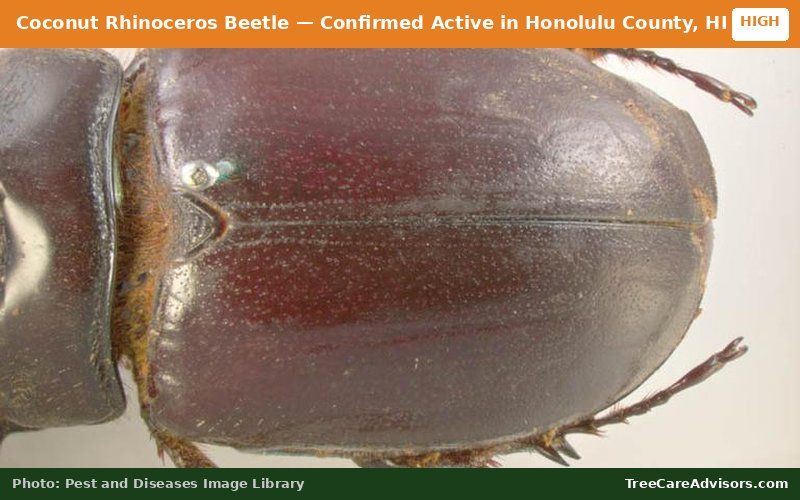
Affects: Coconut palm (primary), other palms, potentially other plants
Large beetle (2 inches) that bores into the crowns of coconut palms to feed on sap. Damages the growing point, reducing coconut production and potentially killing the palm. A serious threat to Hawaii's coconut palms and palm-based landscaping.
Kawela Bay Tree Data
Hiring a Tree Service in Kawela Bay
With over 150 landscaping companies in Honolulu County, you need to be specific. Look for a certified arborist, not just a landscaper. Ask if they are familiar with local threats like the Coconut Rhinoceros Beetle or proper protocols for suspecting Rapid Ohia Death. A true professional will assess your property's unique conditions, like our saline air and volcanic soil, and won't recommend unnecessary removal of healthy, valuable native trees.
Nearby Areas We Serve
Get Tree Care Quotes in Kawela Bay
Compare ISA-certified arborists serving Kawela Bay and Honolulu County.
Get Free Quotes