Tree Care in Jekyll Island, GA
Why Tree Care Matters in Jekyll Island
Professional tree care here is about protecting a significant asset. A mature, healthy tree isn't just scenery; it's a major component of your property's value, assessed by industry standards that consider its species, size, and condition. On Jekyll Island, with our hot, humid climate and five storm events a year on average, proactive care is essential for safety. Proper pruning and health monitoring can prevent catastrophic limb failure from a weak-structured Bradford pear during a summer thunderstorm and protect your long-term investment in robust natives like your Southern Magnolia.
Your Tree's History
The 1960s to 1980s development boom on Jekyll Island created a specific set of tree issues we deal with today. The landscaping philosophy favored instant impact, introducing non-native, problem species like the Camphor tree and Chinese Tallow that can outcompete natives. Now, these trees are at full maturity, and their inherent weaknesses are showing. The good news is that with proper assessment and care, we can mitigate these legacy issues, preserve the valuable native specimens, and make smarter choices for any new plantings that will thrive in our Zone 9a climate for decades to come.
Jekyll Island Climate Profile
Risk Assessment
Growing & Pruning
Tree Services in Jekyll Island
Tree Removal
Safe removal of dead, dying, hazardous, or unwanted trees
Tree Trimming & Pruning
Professional pruning for health, safety, and appearance
Stump Grinding & Removal
Complete stump removal after tree cutting
Emergency Tree Service
24/7 response for storm damage, fallen trees, and hazardous situations
Tree Health & Disease Treatment
Diagnosis and treatment of tree pests, diseases, and nutrient deficiencies
Common Trees in Jekyll Island
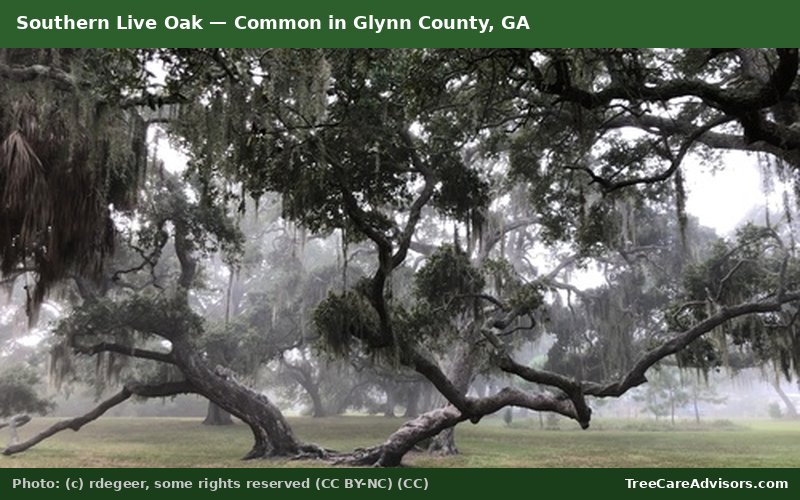
Southern Live Oak
The iconic spreading oak of the South - can live 500+ years, massive canopy
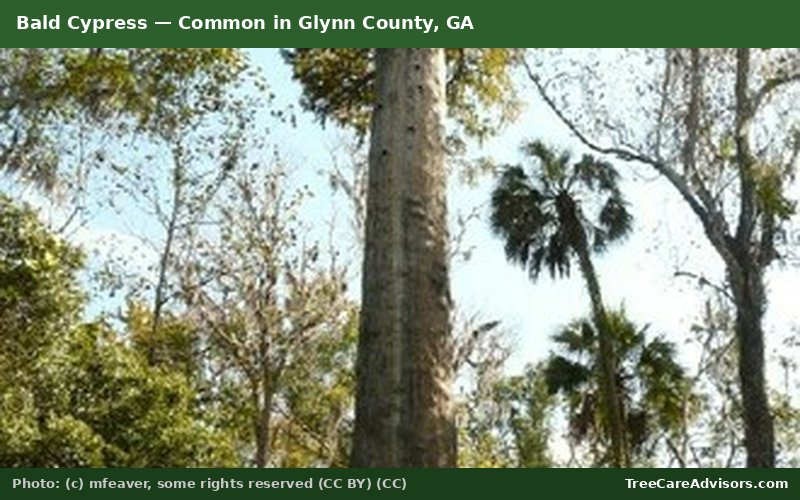
Bald Cypress
Deciduous conifer, swamp-adapted, distinctive knees, excellent longevity
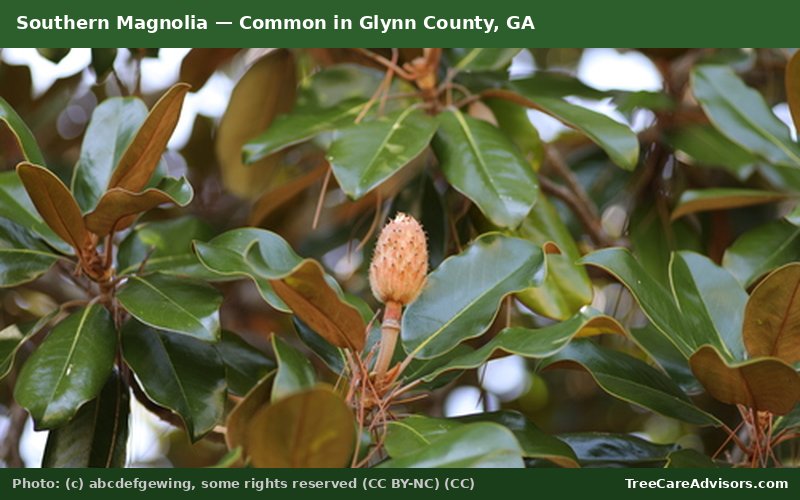
Southern Magnolia
Evergreen, large fragrant white flowers, heavy leaf drop
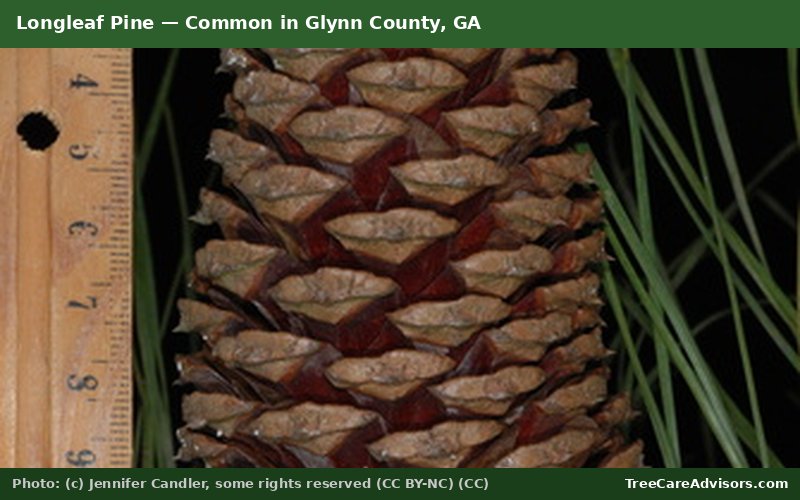
Longleaf Pine
Historic timber species, fire-adapted, slow-starting growth
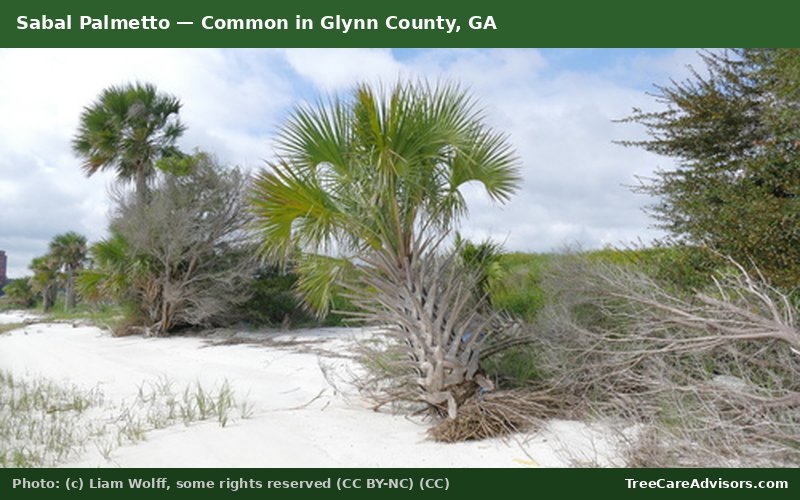
Sabal Palmetto
State tree of SC and FL - hurricane-resistant due to flexible trunk
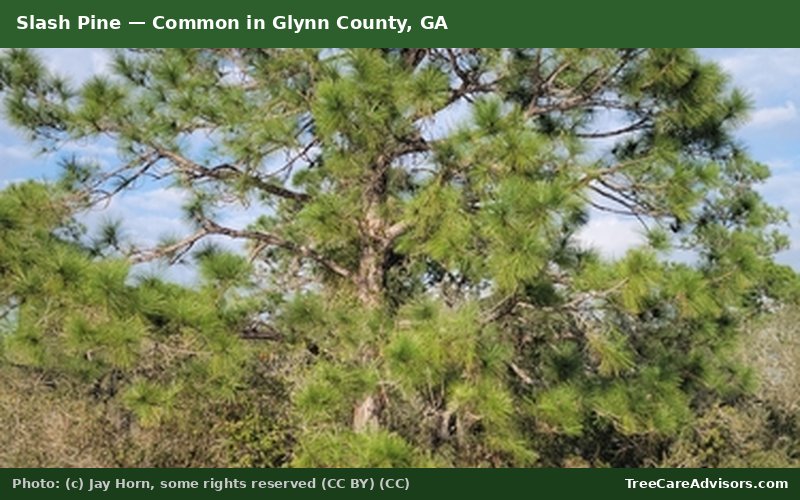
Slash Pine
Fast-growing coastal pine, important for windbreaks
Active Tree Threats in Glynn County
Formosan Subterranean Termites critical
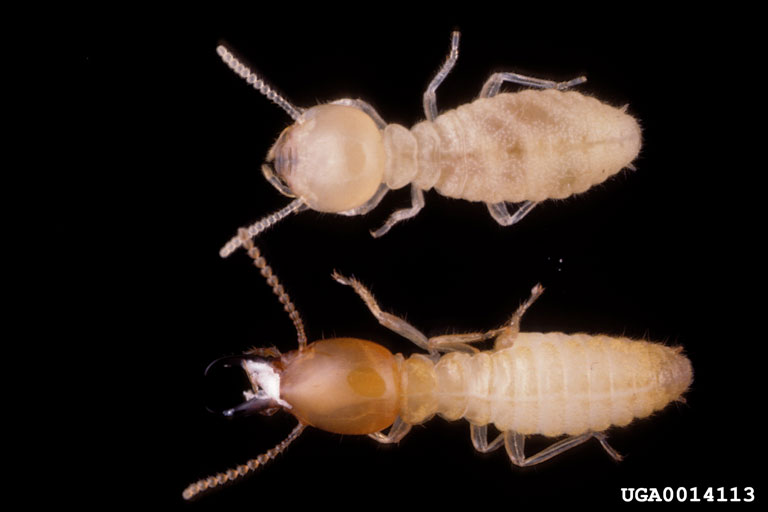
Affects: Both dead wood and living trees - will hollow out live oaks and other species from the inside
The most destructive termite species in the US. Colonies can contain millions of individuals. Unlike native termites, Formosans build above-ground carton nests IN living trees, consuming heartwood while the tree appears healthy from outside.
Laurel Wilt critical
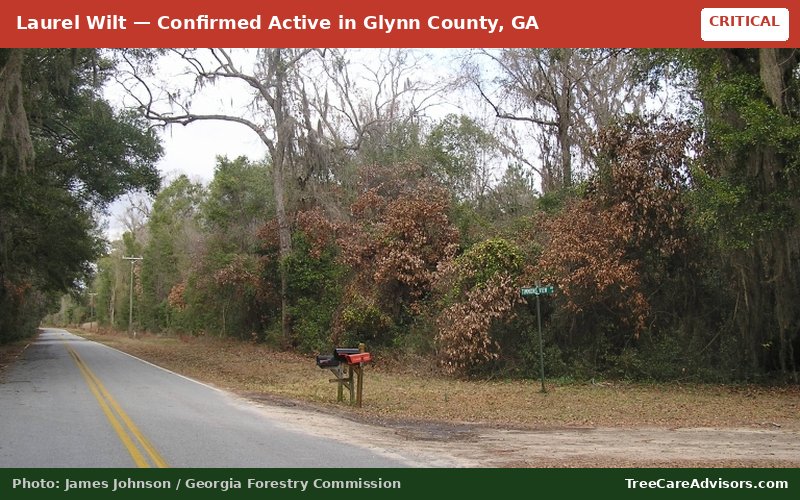
Affects: Redbay, sassafras, swamp bay, avocado, pondspice
Fungal disease spread by the redbay ambrosia beetle (invasive from Asia). The beetle introduces the fungus when it bores into the tree to farm. Has killed over 300 million redbays and threatens the avocado industry.
Southern Pine Beetle high
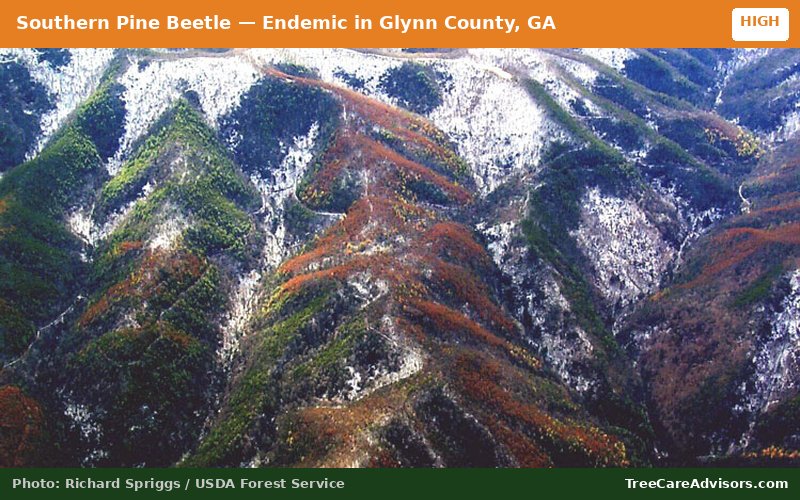
Affects: Loblolly, shortleaf, Virginia, pitch, and other southern pines
Small bark beetle (size of a grain of rice) that mass-attacks stressed pines. Trees die rapidly when beetle populations overwhelm defenses. Outbreaks can kill thousands of acres of pine.
Jekyll Island Tree Data
Hiring a Tree Service in Jekyll Island
With 63 landscaping companies in Glynn County, choosing the right one is critical. Look for a certified arborist who understands our local threats, like Laurel Wilt disease in bays and the risk of Formosan Subterranean Termites to stressed trees. Ask specifically about their experience with the common problem species here and their process for evaluating a tree's structural risk and health. A true professional will provide a clear, written plan, not just a quick quote.
Nearby Areas We Serve
Get Tree Care Quotes in Jekyll Island
Compare ISA-certified arborists serving Jekyll Island and Glynn County.
Get Free Quotes