Tree Care in Palm City, FL
Why Tree Care Matters in Palm City
Professional tree care here is about managing unique, year-round risks. Our 12-month growing season and high rainfall push rapid growth that often needs corrective pruning. More critically, we face silent killers like Laurel Wilt, which can devastate avocado and swamp bay trees, and Formosan subterranean termites that attack living trees. With nearly five storm events a year on average, a weak branch or a tree compromised by pests becomes a major liability. Proper care isn't just maintenance. It's preventative risk management for your home and your investment.
Your Tree's History
Homes built in the 1980s and 2000s boom often used fast-growing, problematic trees for instant curb appeal. It's very common to find aging Bradford Pears in Palm City yards. These trees are now 30-plus years old and prone to catastrophic splitting. Similarly, invasive species like Camphor and Chinese Tallow were popular then and now crowd out native oaks and pines. This era's landscaping choices have created a timeline of predictable issues that require assessment and often, replacement with better-adapted species.
Palm City Climate Profile
Risk Assessment
Growing & Pruning
Tree Services in Palm City
Tree Removal
Safe removal of dead, dying, hazardous, or unwanted trees
Tree Trimming & Pruning
Professional pruning for health, safety, and appearance
Stump Grinding & Removal
Complete stump removal after tree cutting
Emergency Tree Service
24/7 response for storm damage, fallen trees, and hazardous situations
Tree Health & Disease Treatment
Diagnosis and treatment of tree pests, diseases, and nutrient deficiencies
Common Trees in Palm City
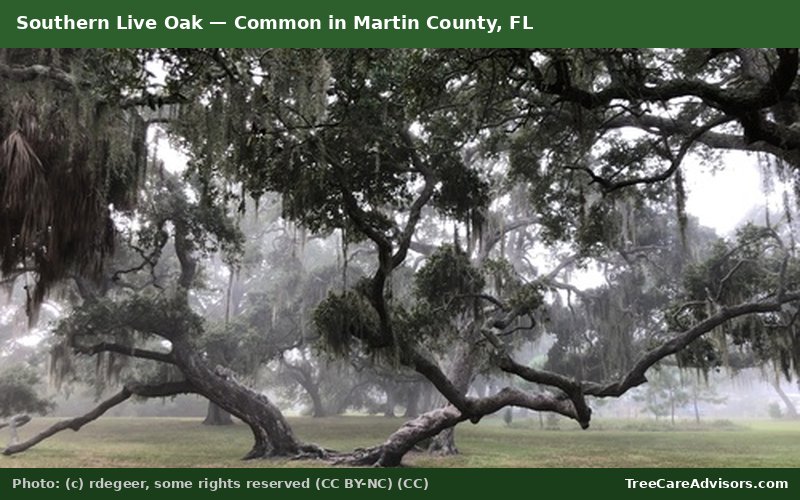
Southern Live Oak
The iconic spreading oak of the South - can live 500+ years, massive canopy
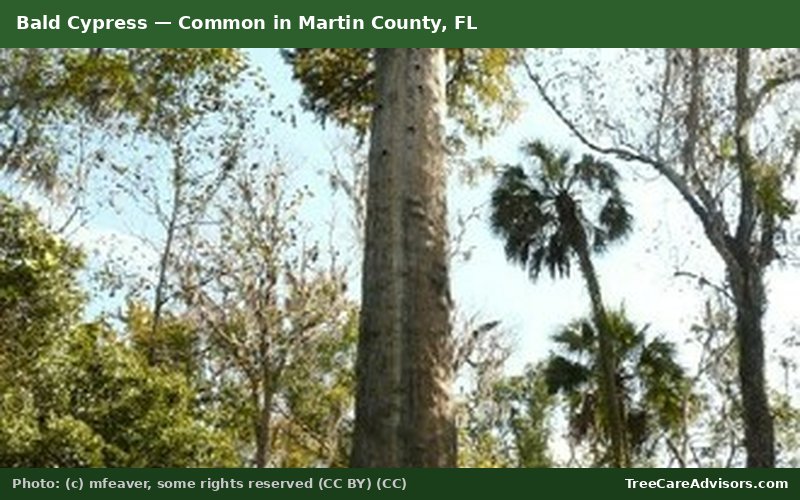
Bald Cypress
Deciduous conifer, swamp-adapted, distinctive knees, excellent longevity
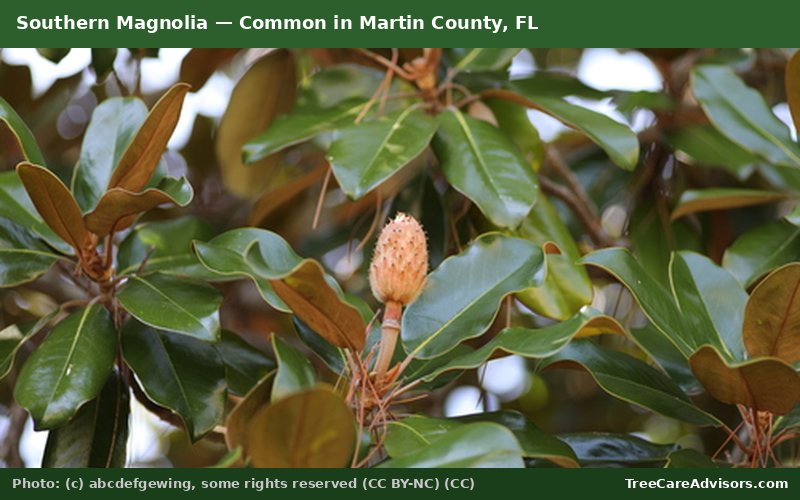
Southern Magnolia
Evergreen, large fragrant white flowers, heavy leaf drop
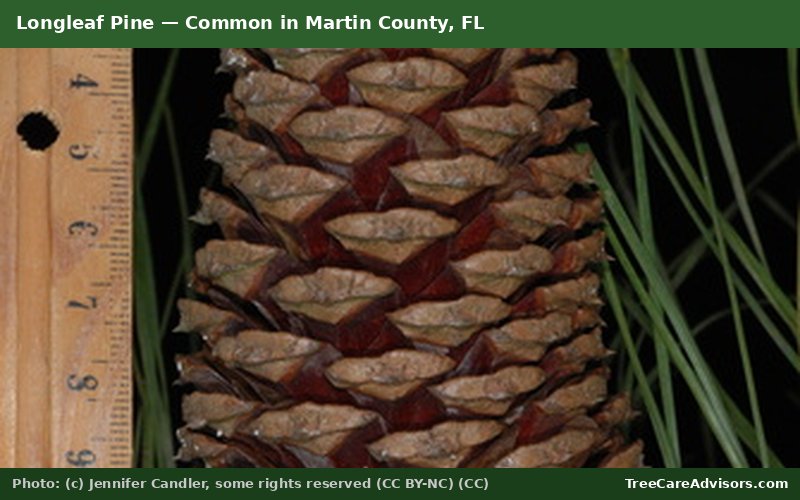
Longleaf Pine
Historic timber species, fire-adapted, slow-starting growth
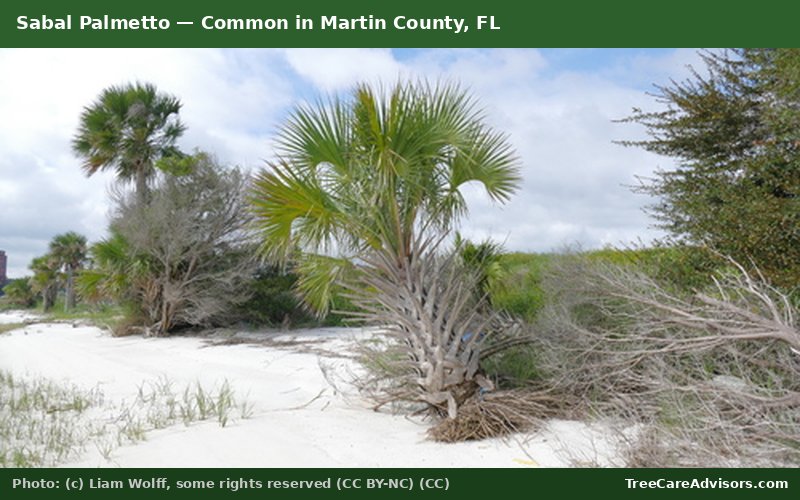
Sabal Palmetto
State tree of SC and FL - hurricane-resistant due to flexible trunk
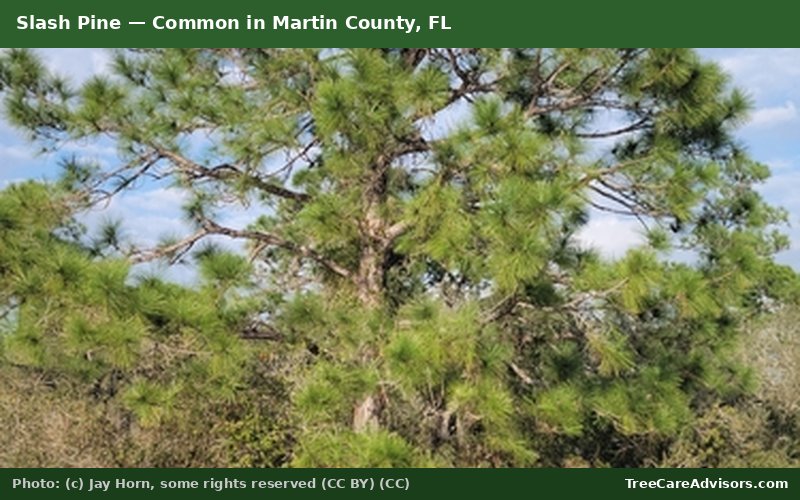
Slash Pine
Fast-growing coastal pine, important for windbreaks
Active Tree Threats in Martin County
Formosan Subterranean Termites critical
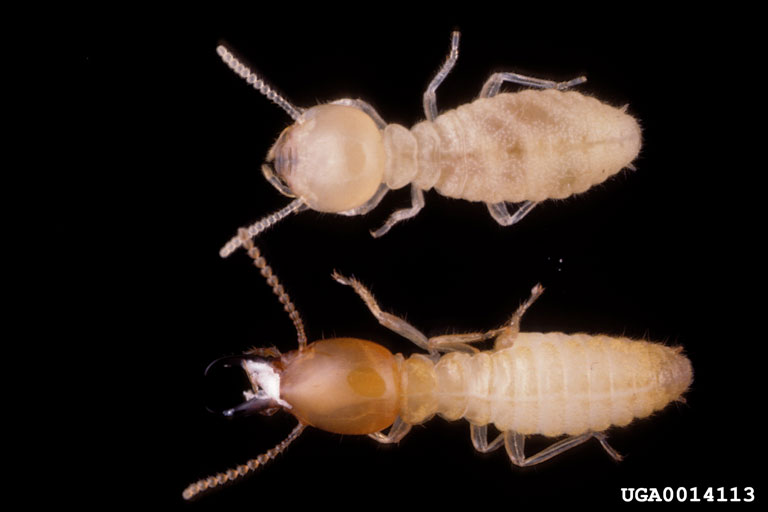
Affects: Both dead wood and living trees - will hollow out live oaks and other species from the inside
The most destructive termite species in the US. Colonies can contain millions of individuals. Unlike native termites, Formosans build above-ground carton nests IN living trees, consuming heartwood while the tree appears healthy from outside.
Laurel Wilt critical
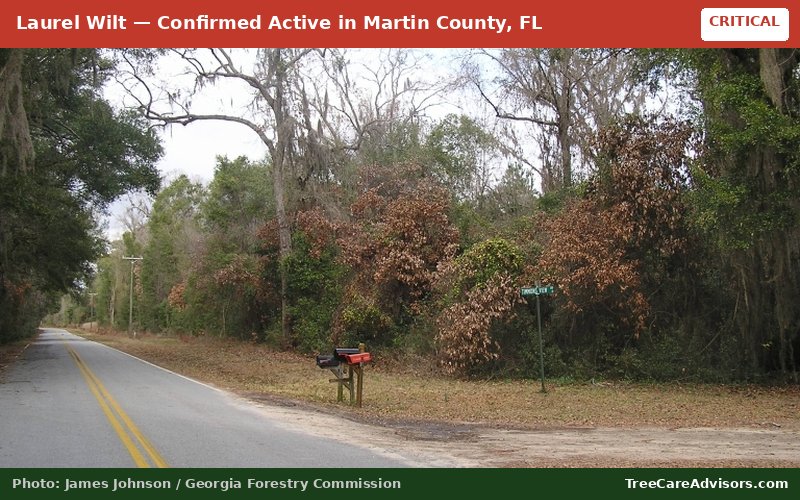
Affects: Redbay, sassafras, swamp bay, avocado, pondspice
Fungal disease spread by the redbay ambrosia beetle (invasive from Asia). The beetle introduces the fungus when it bores into the tree to farm. Has killed over 300 million redbays and threatens the avocado industry.
Southern Pine Beetle high
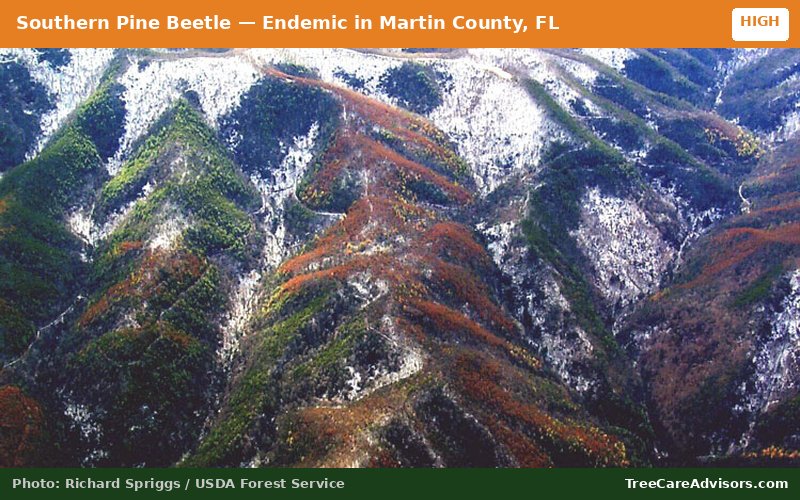
Affects: Loblolly, shortleaf, Virginia, pitch, and other southern pines
Small bark beetle (size of a grain of rice) that mass-attacks stressed pines. Trees die rapidly when beetle populations overwhelm defenses. Outbreaks can kill thousands of acres of pine.
Palm City Tree Data
Hiring a Tree Service in Palm City
With over 200 landscaping companies in Martin County, it's vital to hire specifically for tree care. Look for an ISA Certified Arborist who is insured and can provide local references. Ask them about their experience with Laurel Wilt and Formosan termites, the two biggest biotic threats here. A true professional will assess your property's specific conditions, including our sandy soil and high water table, not just offer a generic service.
Nearby Areas We Serve
Get Tree Care Quotes in Palm City
Compare ISA-certified arborists serving Palm City and Martin County.
Get Free Quotes