Tree Care in Layton, FL
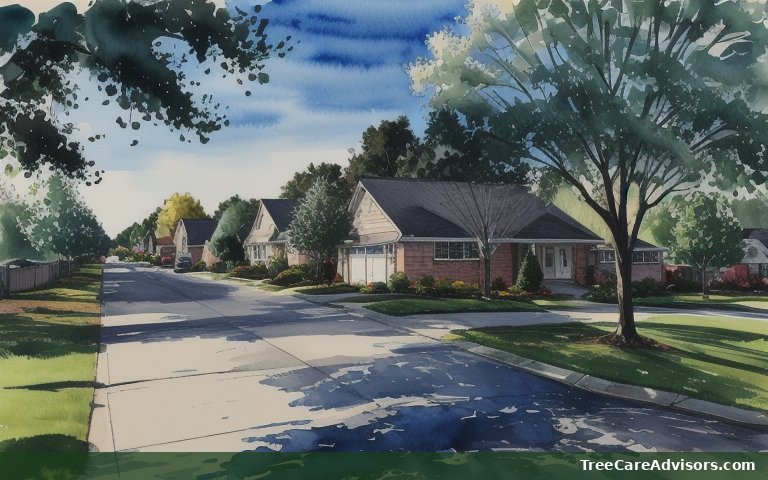
Why Tree Care Matters in Layton
Professional tree care here is about risk management and preservation. Our year-round growing season and high humidity create constant stress and pest pressure. An invasive pest like the Formosan subterranean termite can hollow out a live oak from the inside, while Laurel Wilt is a death sentence for native redbay and avocado trees. A certified arborist uses the industry-standard CTLA method to appraise your trees, putting a real dollar value on their size, species, and condition. This isn't just trimming; it's protecting a major financial and environmental asset on your property from very specific local threats.
Your Tree's History
The age of your home is the single biggest clue to your tree problems. Layton's housing boom in the 1980s meant developers planted trees that grew fast. Now, 40 years later, those trees are fully mature and often in conflict with your house, driveway, and power lines. Species like camphor and Chinese tallow, popular then for their quick growth, are now invasive nuisances that crowd out native oaks and pines. The structural flaws these trees were born with are now critical safety issues you have to address.
Layton Climate Profile
Risk Assessment
Growing & Pruning
Tree Services in Layton
Tree Removal
Safe removal of dead, dying, hazardous, or unwanted trees
Tree Trimming & Pruning
Professional pruning for health, safety, and appearance
Stump Grinding & Removal
Complete stump removal after tree cutting
Emergency Tree Service
24/7 response for storm damage, fallen trees, and hazardous situations
Tree Health & Disease Treatment
Diagnosis and treatment of tree pests, diseases, and nutrient deficiencies
Common Trees in Layton
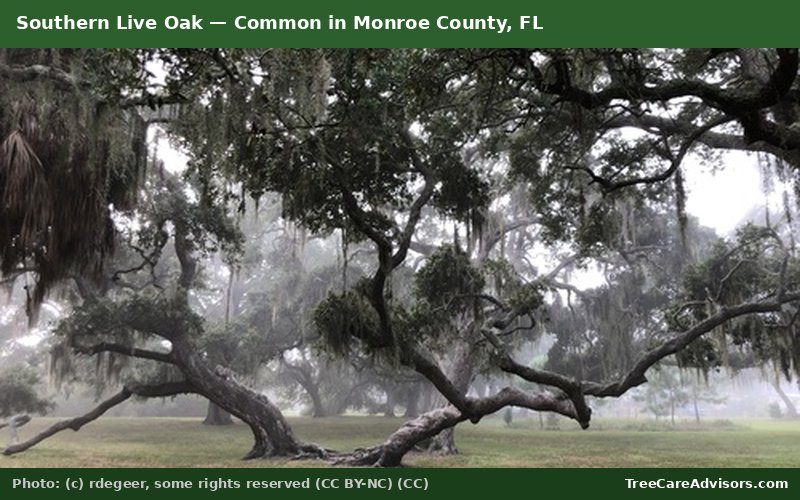
Southern Live Oak
The iconic spreading oak of the South - can live 500+ years, massive canopy
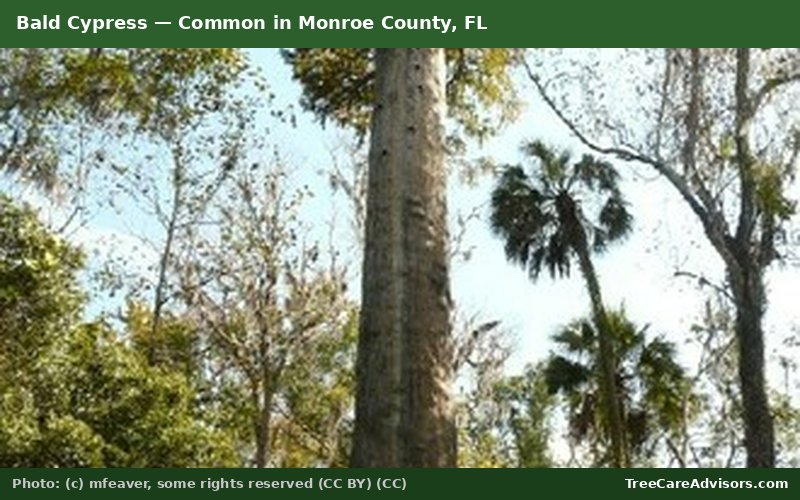
Bald Cypress
Deciduous conifer, swamp-adapted, distinctive knees, excellent longevity
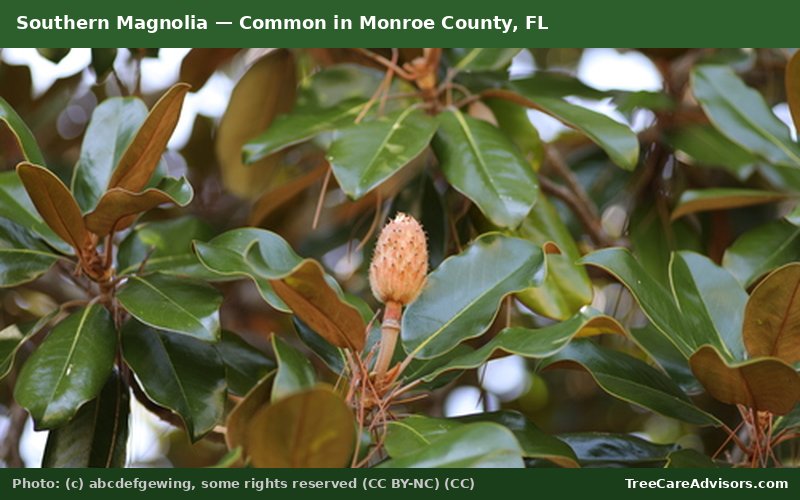
Southern Magnolia
Evergreen, large fragrant white flowers, heavy leaf drop
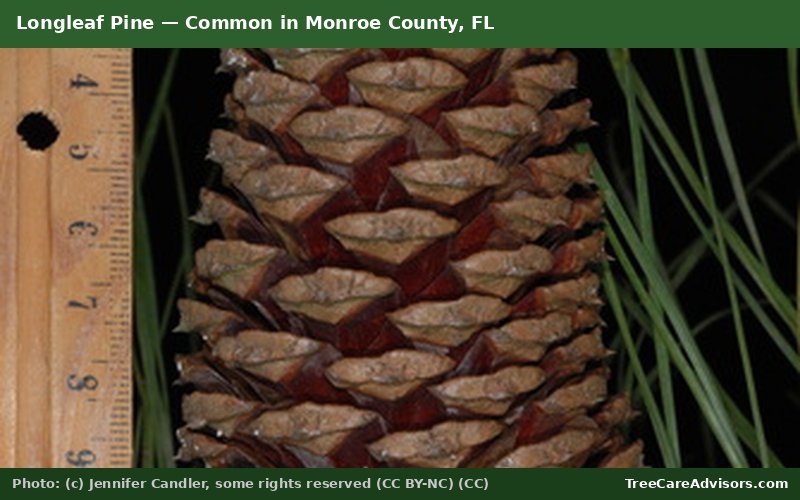
Longleaf Pine
Historic timber species, fire-adapted, slow-starting growth
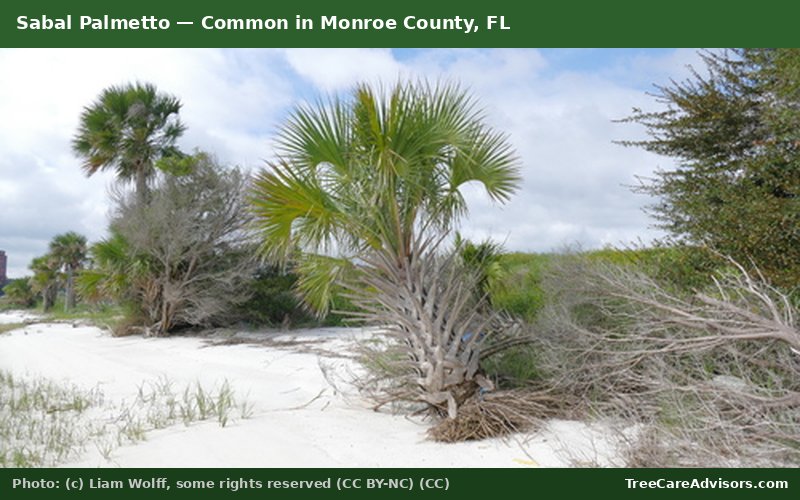
Sabal Palmetto
State tree of SC and FL - hurricane-resistant due to flexible trunk
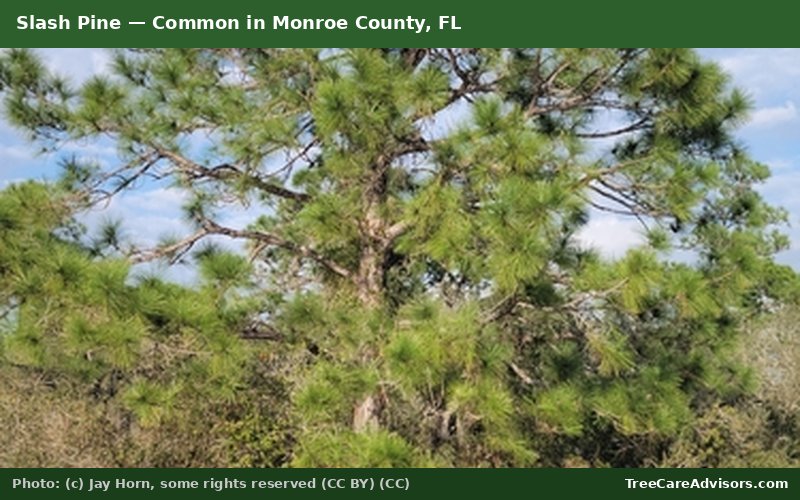
Slash Pine
Fast-growing coastal pine, important for windbreaks
Active Tree Threats in Monroe County
Formosan Subterranean Termites critical
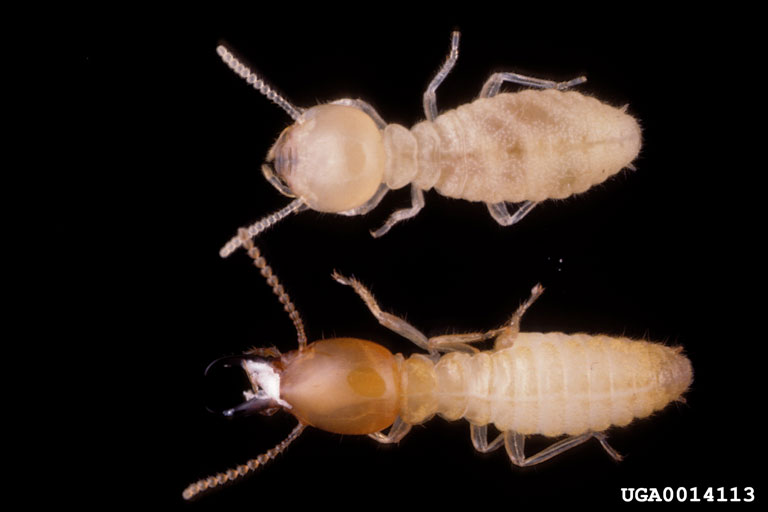
Affects: Both dead wood and living trees - will hollow out live oaks and other species from the inside
The most destructive termite species in the US. Colonies can contain millions of individuals. Unlike native termites, Formosans build above-ground carton nests IN living trees, consuming heartwood while the tree appears healthy from outside.
Laurel Wilt critical
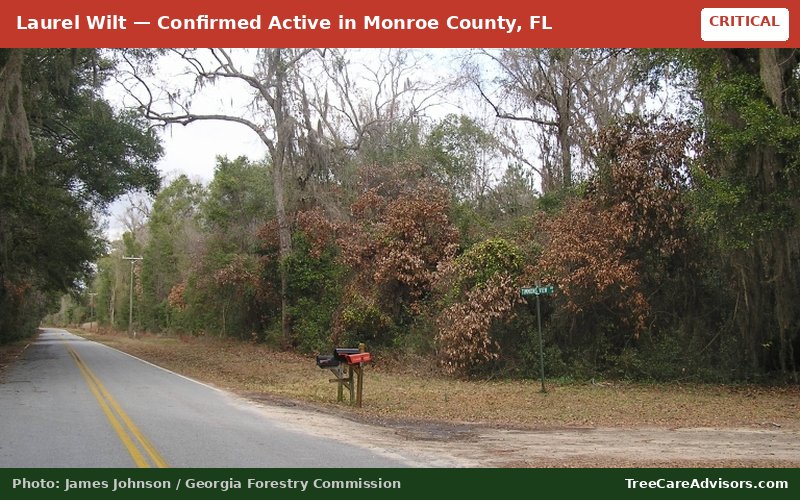
Affects: Redbay, sassafras, swamp bay, avocado, pondspice
Fungal disease spread by the redbay ambrosia beetle (invasive from Asia). The beetle introduces the fungus when it bores into the tree to farm. Has killed over 300 million redbays and threatens the avocado industry.
Southern Pine Beetle high
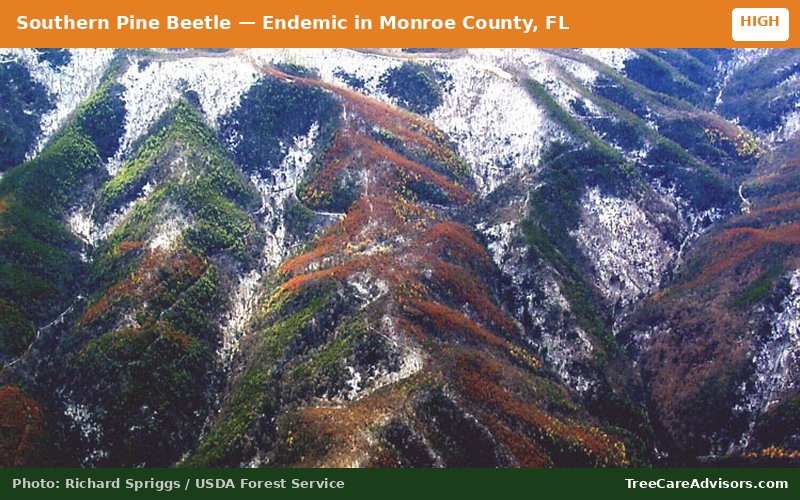
Affects: Loblolly, shortleaf, Virginia, pitch, and other southern pines
Small bark beetle (size of a grain of rice) that mass-attacks stressed pines. Trees die rapidly when beetle populations overwhelm defenses. Outbreaks can kill thousands of acres of pine.
Layton Tree Data
Hiring a Tree Service in Layton
With 65 landscaping companies in Monroe County, you need to be specific. Look for an ISA Certified Arborist who is licensed and insured for work in Florida. Ask for local references and if they are familiar with treating Laurel Wilt or Formosan termites. A true professional will provide a detailed, written estimate that explains the work needed, not just a price to cut something down.
Nearby Areas We Serve
Get Tree Care Quotes in Layton
Compare ISA-certified arborists serving Layton and Monroe County.
Get Free Quotes