Tree Care in Biscayne Park, FL
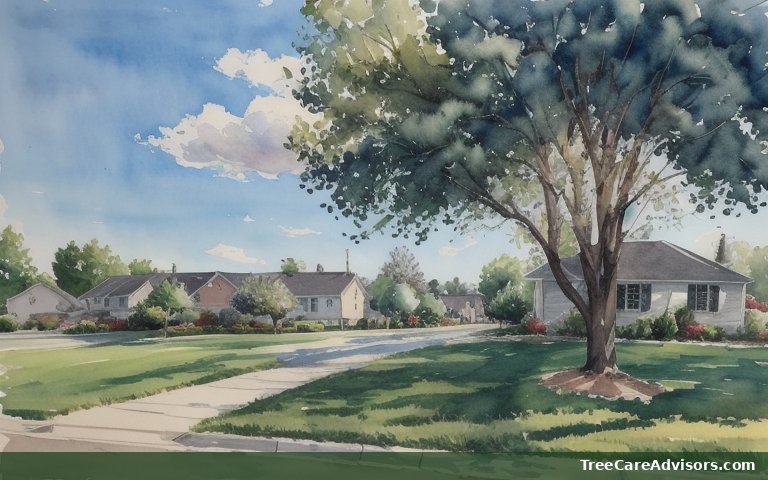
Why Tree Care Matters in Biscayne Park
Professional tree care here is about risk management. Our weather data shows over 14 storm events a year, and our saturated soils make mature trees vulnerable to uprooting during high winds. The most dangerous pattern is sustained wind from one direction followed by a sudden shift, which fatigues weak unions. Native species like your Southern Live Oak are adapted to this, but problem trees like the Chinese Tallow are not. Furthermore, silent killers like Formosan Subterranean Termites and Laurel Wilt disease are active in Miami-Dade County. Regular care from someone who knows these local threats protects your property and preserves your valuable shade.
Your Tree's History
The era your home was built directly dictates your tree issues. Biscayne Park's housing stock from the 1940s to 1960s means the original landscaping is now at full maturity, often exceeding its intended lifespan. The trees planted then were chosen for speed, not longevity or storm resilience. Today, you're dealing with the consequences: oversized root systems damaging foundations, canopies too large for the lot, and accumulated structural defects from decades of tropical weather. This generational maturity is the core reason for most of the removals and major pruning we perform. It's not neglect; it's simply the lifecycle of that original landscaping plan.
Biscayne Park Climate Profile
Risk Assessment
Growing & Pruning
Tree Services in Biscayne Park
Tree Removal
Safe removal of dead, dying, hazardous, or unwanted trees
Tree Trimming & Pruning
Professional pruning for health, safety, and appearance
Stump Grinding & Removal
Complete stump removal after tree cutting
Emergency Tree Service
24/7 response for storm damage, fallen trees, and hazardous situations
Tree Health & Disease Treatment
Diagnosis and treatment of tree pests, diseases, and nutrient deficiencies
Common Trees in Biscayne Park
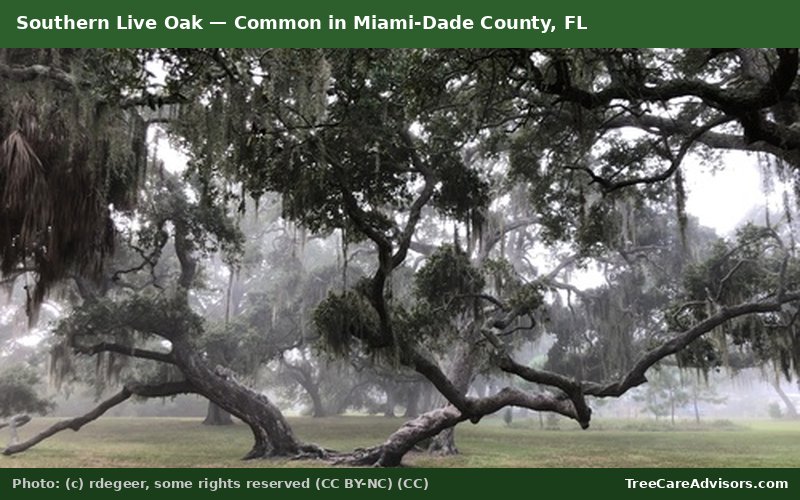
Southern Live Oak
The iconic spreading oak of the South - can live 500+ years, massive canopy
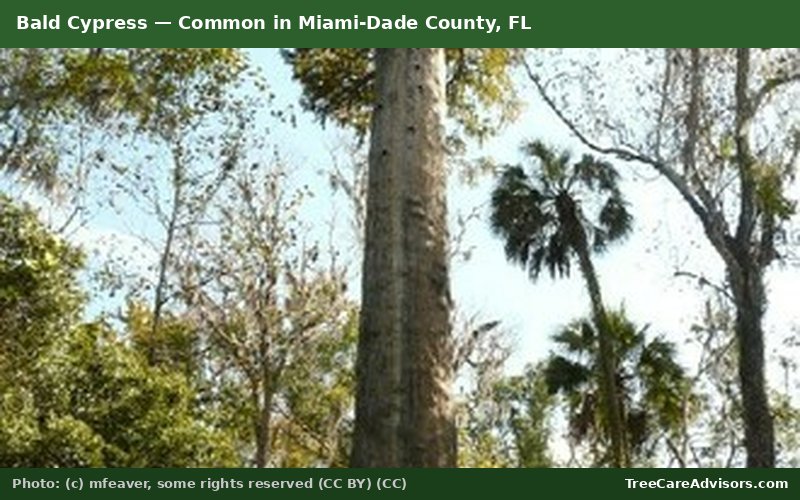
Bald Cypress
Deciduous conifer, swamp-adapted, distinctive knees, excellent longevity
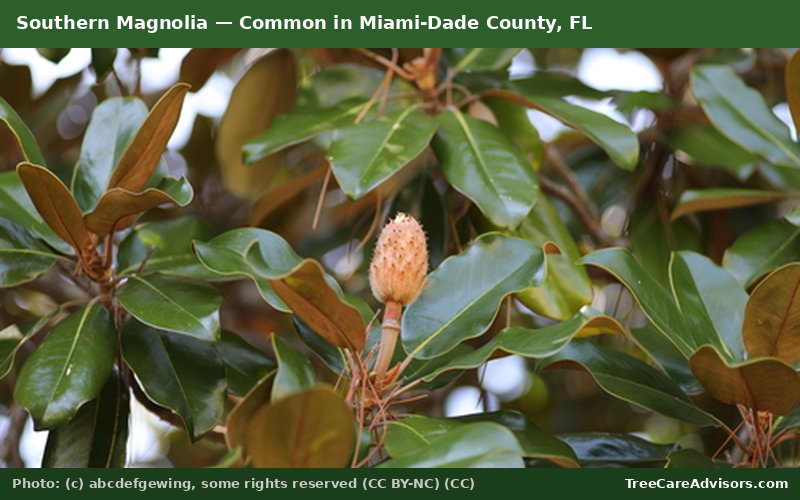
Southern Magnolia
Evergreen, large fragrant white flowers, heavy leaf drop
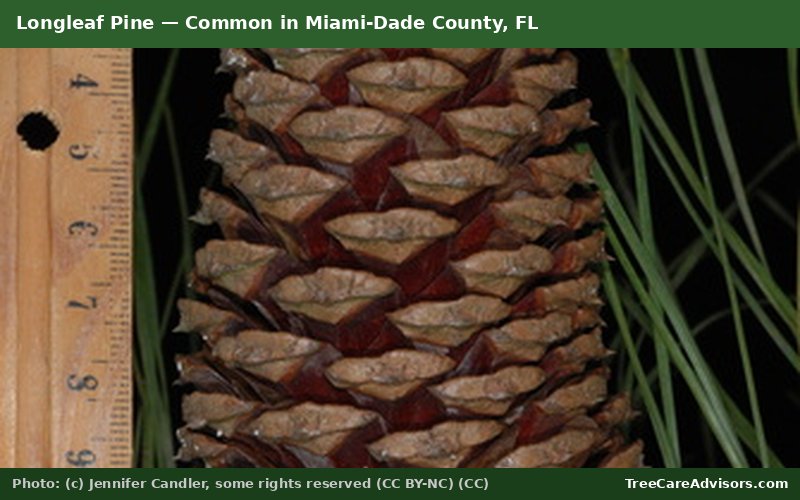
Longleaf Pine
Historic timber species, fire-adapted, slow-starting growth
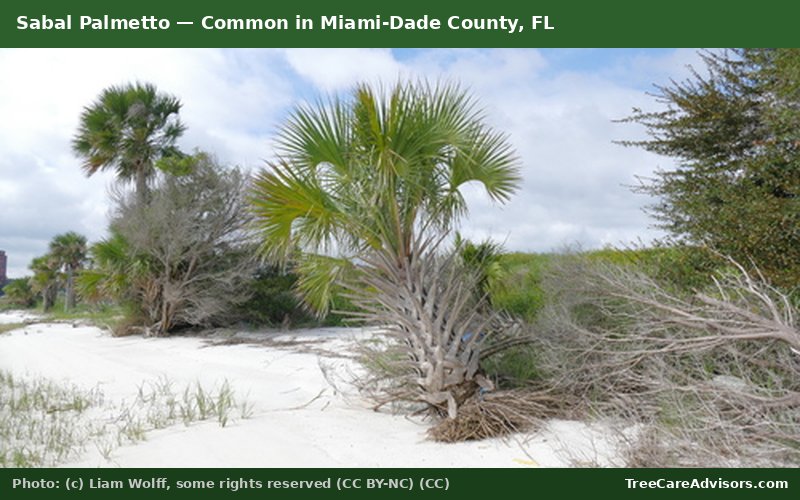
Sabal Palmetto
State tree of SC and FL - hurricane-resistant due to flexible trunk
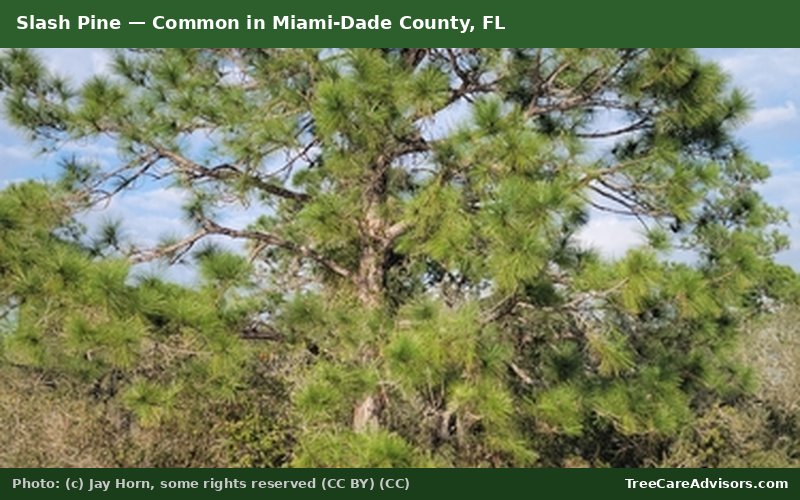
Slash Pine
Fast-growing coastal pine, important for windbreaks
Active Tree Threats in Miami-Dade County
Formosan Subterranean Termites critical
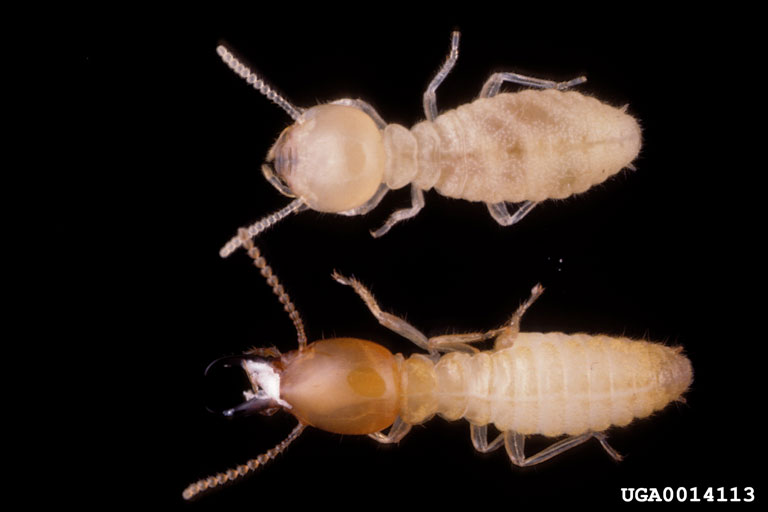
Affects: Both dead wood and living trees - will hollow out live oaks and other species from the inside
The most destructive termite species in the US. Colonies can contain millions of individuals. Unlike native termites, Formosans build above-ground carton nests IN living trees, consuming heartwood while the tree appears healthy from outside.
Laurel Wilt critical
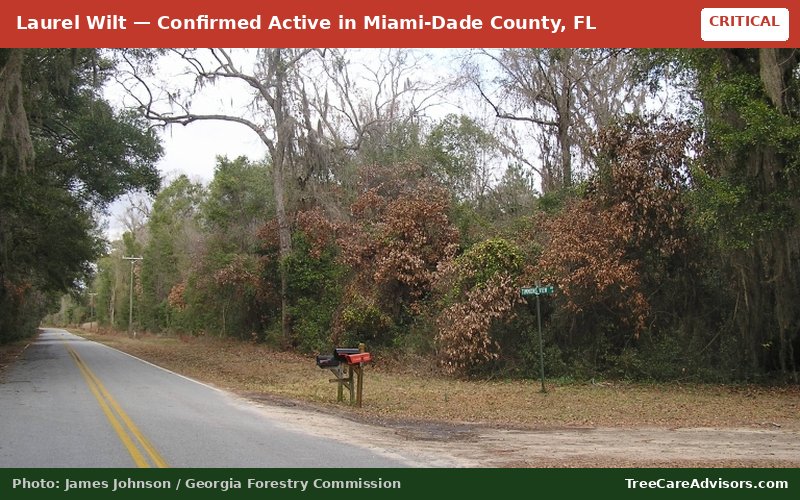
Affects: Redbay, sassafras, swamp bay, avocado, pondspice
Fungal disease spread by the redbay ambrosia beetle (invasive from Asia). The beetle introduces the fungus when it bores into the tree to farm. Has killed over 300 million redbays and threatens the avocado industry.
Southern Pine Beetle high
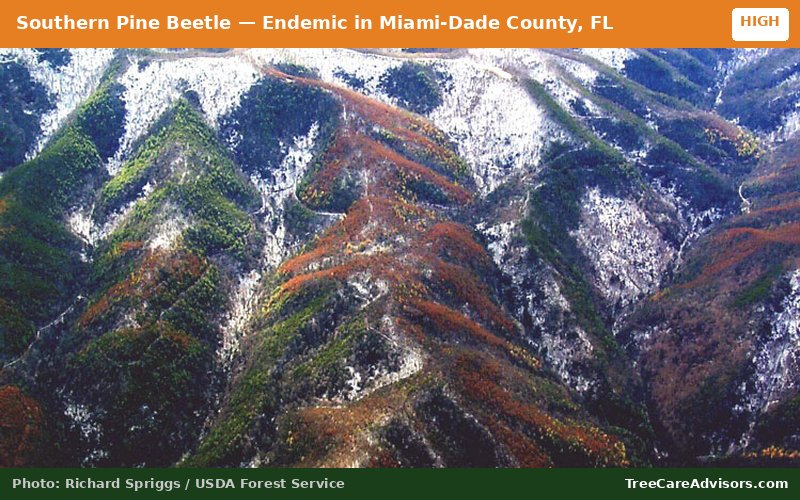
Affects: Loblolly, shortleaf, Virginia, pitch, and other southern pines
Small bark beetle (size of a grain of rice) that mass-attacks stressed pines. Trees die rapidly when beetle populations overwhelm defenses. Outbreaks can kill thousands of acres of pine.
Biscayne Park Tree Data
Hiring a Tree Service in Biscayne Park
With over 600 landscaping companies in Miami-Dade, you need to be specific. For tree care, only hire a certified arborist who is insured. Ask for proof of both. A true professional will explain exactly what they see in your specific trees, like included bark in a Bradford pear or chlorosis in a Live Oak, and why it matters. They should provide a detailed, written scope of work. Avoid anyone who recommends topping a tree or suggests non-native, invasive species as replacements. Your goal is to find an advisor, not just a service provider.
Nearby Areas We Serve
Get Tree Care Quotes in Biscayne Park
Compare ISA-certified arborists serving Biscayne Park and Miami-Dade County.
Get Free Quotes