Tree Care in Dodgingtown, CT
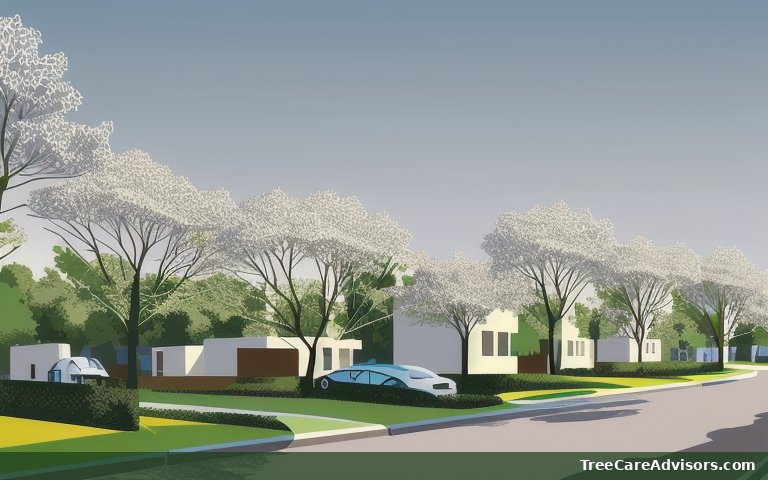
Why Tree Care Matters in Dodgingtown
Professional tree care here isn't just about aesthetics. It's about risk management. Our cool-humid climate and 48 inches of annual rainfall create perfect conditions for fungal decay to work inside a tree for years before you see any external symptoms. A tree can look perfectly healthy but be hollow inside. We use simple tools like a mallet to 'sound' the trunk. Solid wood rings clear, decayed wood sounds dull. This helps us identify hazards before they become emergencies. Different storms cause different failures. Sustained winds from one direction, followed by a sudden shift, can fatigue root systems, especially in our wet soils, leading to catastrophic uprooting. A professional assessment looks for these specific weaknesses you can't see.
Your Tree's History
The 1940s to 1960s building boom defined Dodgingtown's landscape. The philosophy was 'fast and full.' This led to the widespread planting of Norway maples, which crowd out native species, and the doomed Bradford pears. These trees are now at the end of their natural lifespan and are declining structurally. Furthermore, the construction methods of that era often damaged the root zones of existing native trees like white oaks and American beeches during grading and excavation. We are now dealing with the compounded issues of aging, poorly chosen trees and legacy damage to the good ones, all at once.
Dodgingtown Climate Profile
Risk Assessment
Growing & Pruning
Tree Services in Dodgingtown
Tree Removal
Safe removal of dead, dying, hazardous, or unwanted trees
Tree Trimming & Pruning
Professional pruning for health, safety, and appearance
Stump Grinding & Removal
Complete stump removal after tree cutting
Emergency Tree Service
24/7 response for storm damage, fallen trees, and hazardous situations
Tree Health & Disease Treatment
Diagnosis and treatment of tree pests, diseases, and nutrient deficiencies
Common Trees in Dodgingtown
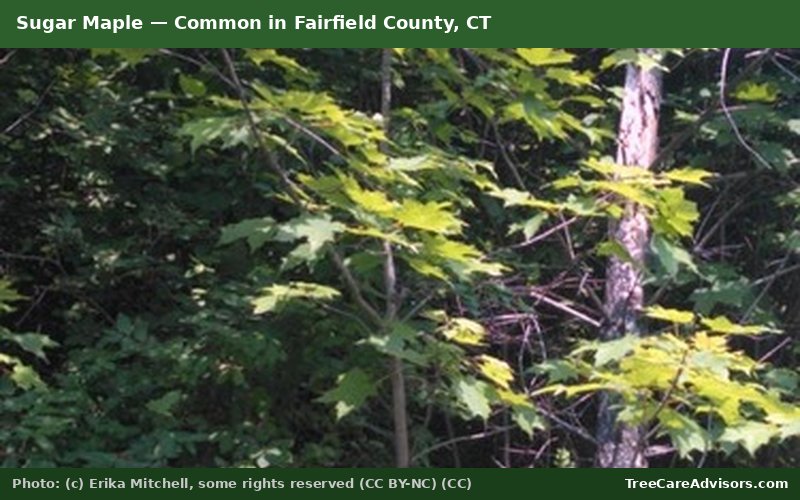
Sugar Maple
The iconic fall color tree - brilliant orange/red, shade champion, slow-growing
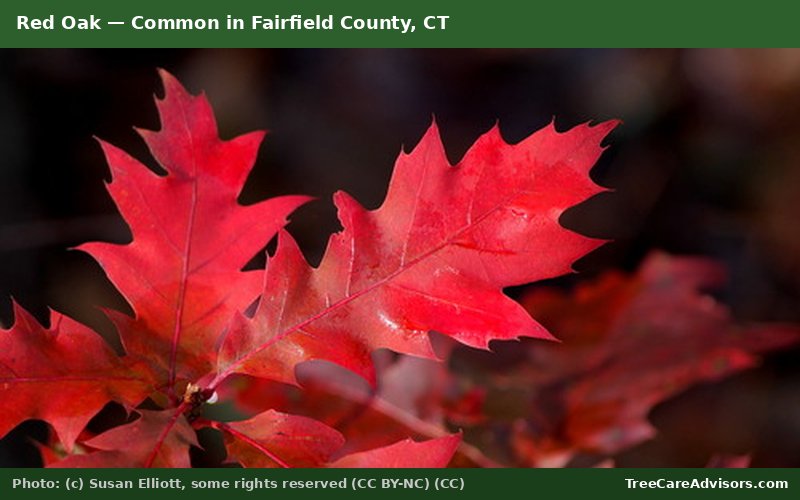
Red Oak
Fast-growing oak, excellent shade, good fall color, valuable timber
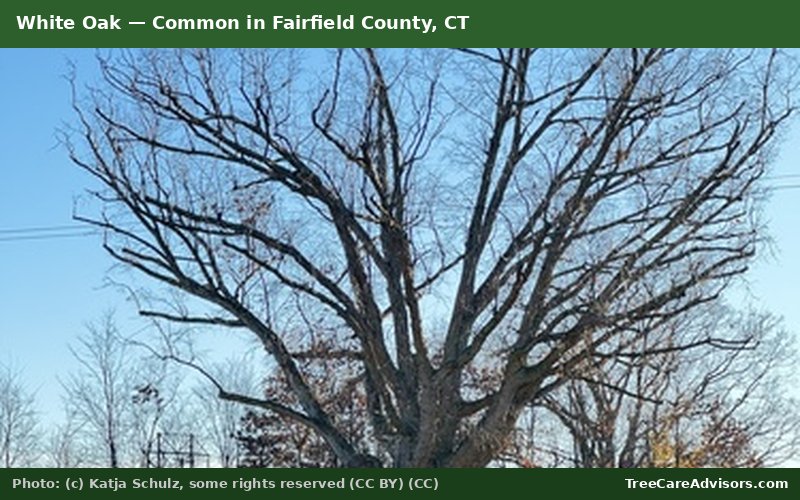
White Oak
Long-lived (300-600 years), wide-spreading, slow-growing, acorn producer
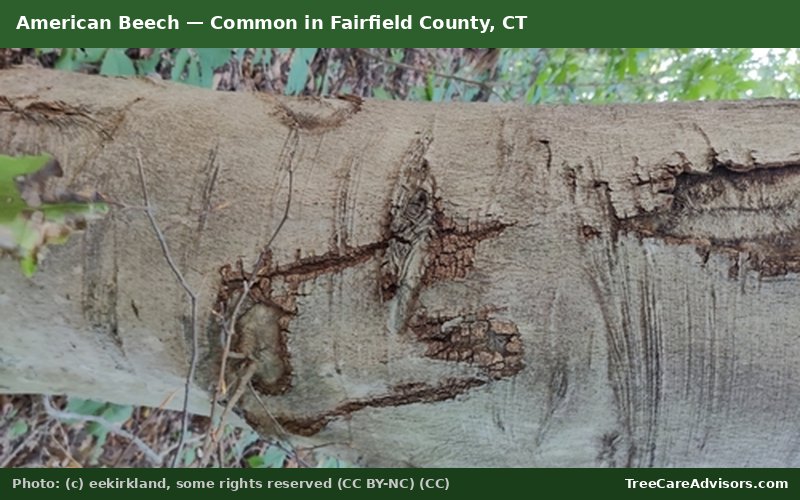
American Beech
Smooth gray bark, golden fall color, shallow roots, colonial root sprouts
Eastern White Pine
Tallest eastern conifer, soft needles, susceptible to white pine weevil
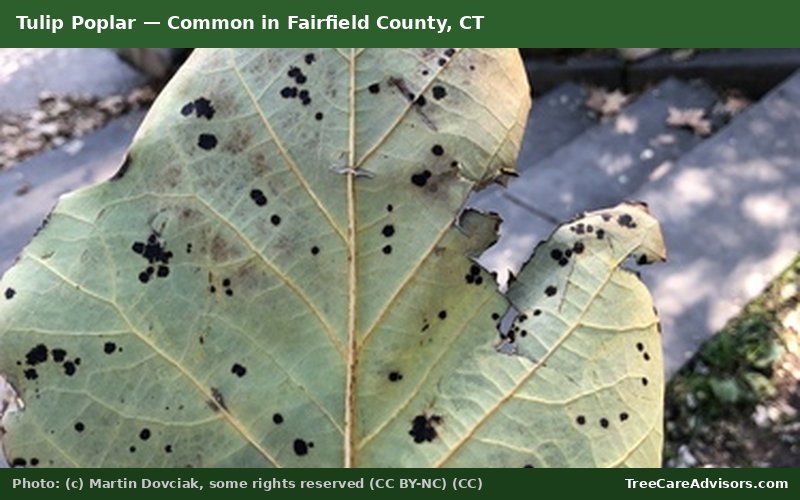
Tulip Poplar
Fast-growing, very tall (80-100ft), tulip-shaped flowers, yellow fall color
Active Tree Threats in Fairfield County
Emerald Ash Borer (EAB) critical
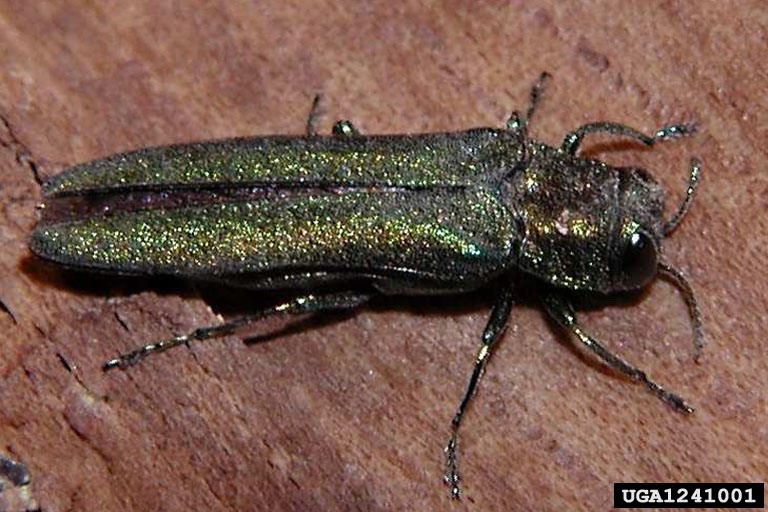
Affects: All ash species (Fraxinus) - green, white, black, blue ash
Metallic green beetle native to Asia. Larvae feed under bark, cutting off water and nutrient transport. Tree dies within 2-5 years of infestation. Has killed hundreds of millions of ash trees in North America since 2002.
Spotted Lanternfly high
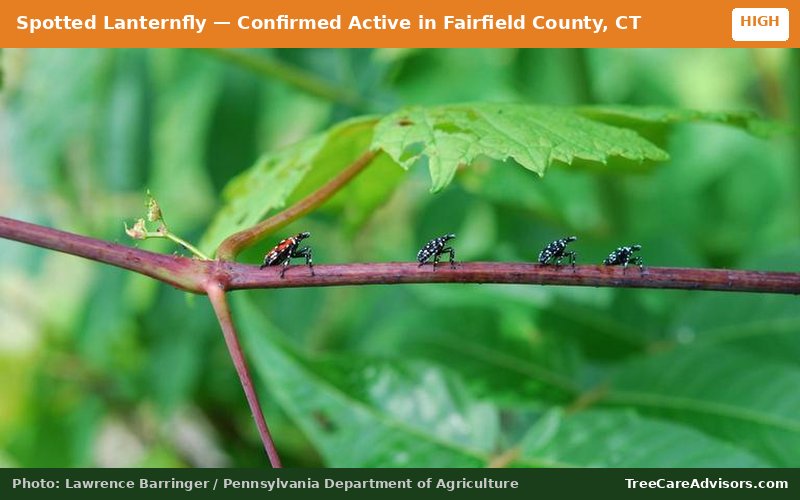
Affects: Tree of Heaven (primary host), but feeds on 70+ species including maples, oaks, walnut, willow, birch, grape
Showy planthopper from Asia. Feeds on sap, excretes honeydew that promotes sooty mold. Doesn't usually kill trees directly but weakens them and creates a mess. Major agricultural pest on grapes and orchards.
Oak Wilt high
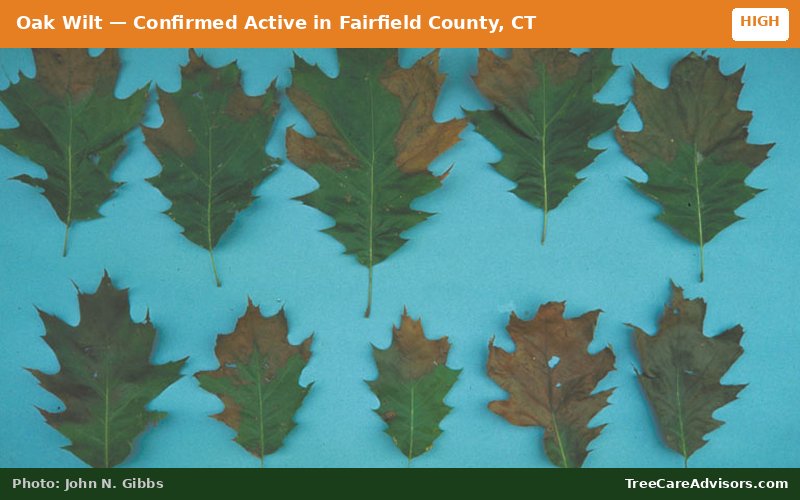
Affects: Red oak group (red, pin, scarlet, black - usually fatal). White oak group (white, bur, swamp white - slower, sometimes survivable).
Fungal disease (Ceratocystis fagacearum) that clogs water-conducting vessels. Red oaks can die within weeks. Spreads through connected root systems between nearby oaks and via beetles attracted to fresh wounds.
Dodgingtown Tree Data
Hiring a Tree Service in Dodgingtown
When hiring for tree work in Fairfield County, always verify the company carries both workers' compensation and liability insurance. Ask for proof. For major assessments or removals, specifically look for an ISA Certified Arborist on staff. This certification ensures they understand the science behind tree health, structural integrity, and local threats like the Emerald Ash Borer, which is active in our area. Avoid any company that recommends 'topping' a tree, as this is a harmful and outdated practice.
Nearby Areas We Serve
Get Tree Care Quotes in Dodgingtown
Compare ISA-certified arborists serving Dodgingtown and Fairfield County.
Get Free Quotes