Tree Care in Mendocino, CA
Why Tree Care Matters in Mendocino
Professional tree care here isn't just about aesthetics; it's about risk management and protecting your investment. A mature, healthy Coast Live Oak or a well-situated redwood doesn't just provide beauty - it has significant, quantifiable property value assessed by industry standards that consider species, size, and condition. More urgently, we have specific local threats that require expert identification. Sudden Oak Death is active in our watersheds and can kill a Coast Live Oak in weeks, while invasive beetles like the Polyphagous Shot Hole Borer attack a wide range of trees. A certified arborist recognizes these specific symptoms early, when intervention is still possible.
Your Tree's History
The building boom of the 1980s in Mendocino left a legacy of landscape choices made for instant curb appeal, not coastal longevity. Fast-growing species like Acacia and Monterey Pine were common fill-ins. Now, four decades later, these trees have reached their natural lifespan limit in the landscape. They're declining simultaneously, dealing with accumulated stress from wind, and often planted too close to foundations. This creates a predictable wave of tree issues for homeowners, where aging infrastructure meets mature, sometimes poorly suited, trees.
Mendocino Climate Profile
Risk Assessment
Growing & Pruning
Tree Services in Mendocino
Tree Removal
Safe removal of dead, dying, hazardous, or unwanted trees
Tree Trimming & Pruning
Professional pruning for health, safety, and appearance
Stump Grinding & Removal
Complete stump removal after tree cutting
Emergency Tree Service
24/7 response for storm damage, fallen trees, and hazardous situations
Tree Health & Disease Treatment
Diagnosis and treatment of tree pests, diseases, and nutrient deficiencies
Common Trees in Mendocino
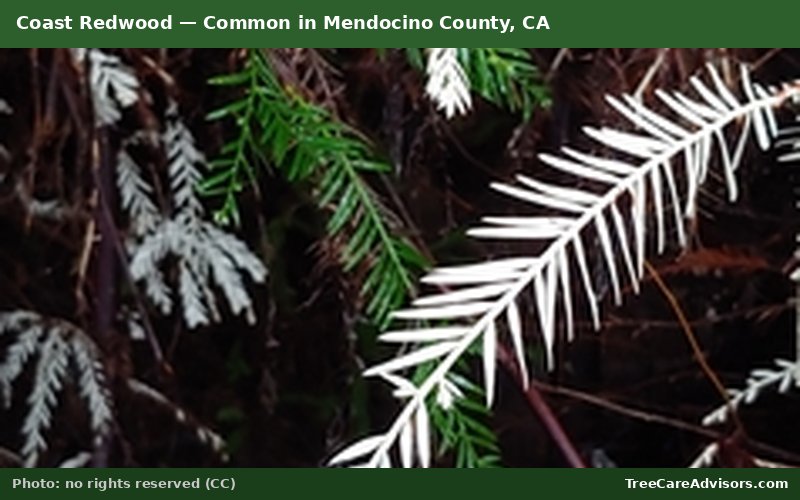
Coast Redwood
The tallest trees on Earth - many residential properties in Marin/SF Peninsula have them
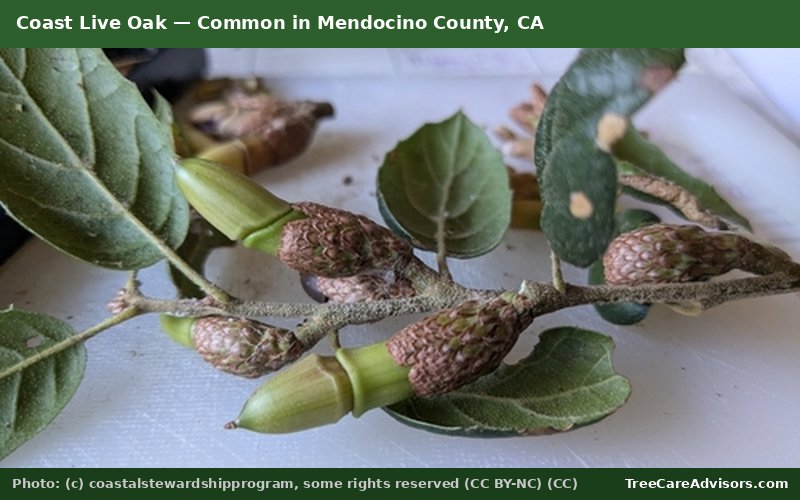
Coast Live Oak
Evergreen, protected, iconic - heritage tree ordinances are strict
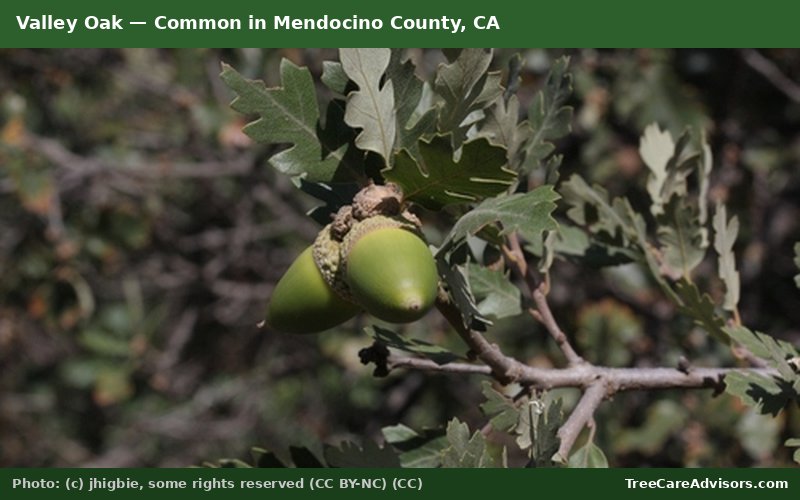
Valley Oak
Largest North American oak, deciduous, massive canopy - can reach 100ft spread
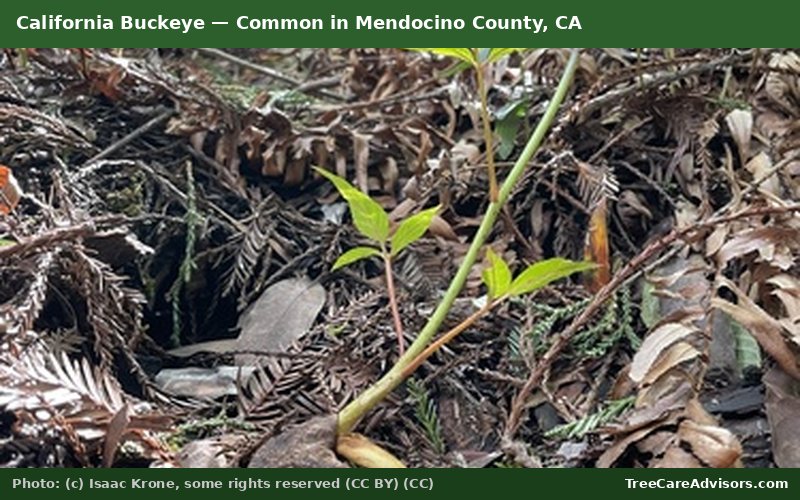
California Buckeye
Summer-deciduous (drops leaves in drought), toxic seeds
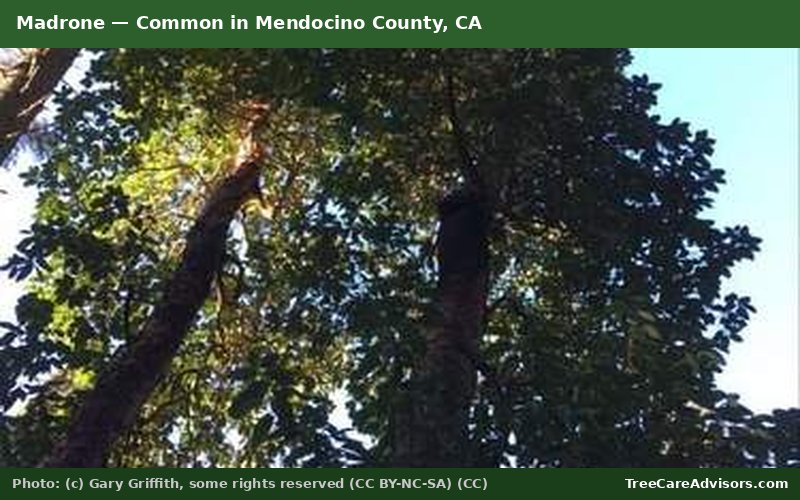
Madrone
Beautiful peeling red bark, evergreen, difficult to transplant
Active Tree Threats in Mendocino County
Sudden Oak Death (SOD) critical in coastal areas
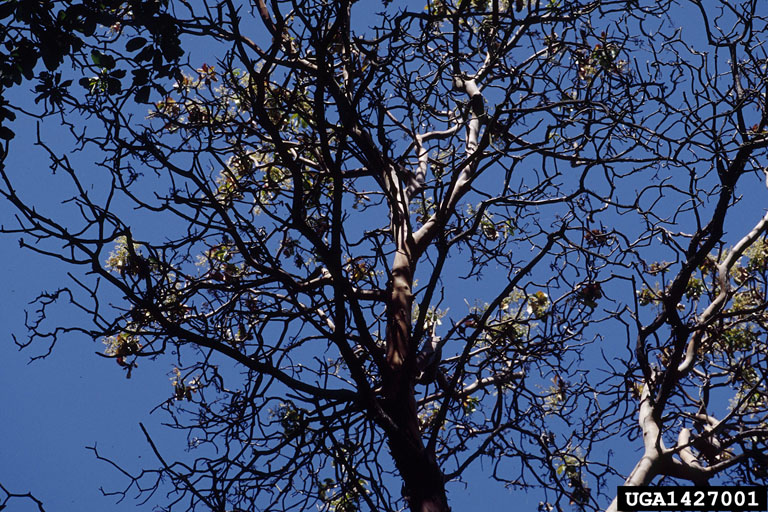
Affects: Tanoak (most lethal), coast live oak, California black oak, Shreve oak, and 100+ other species as carriers
Water mold (Phytophthora ramorum) that causes cankers on oak trunks, leading to rapid death. Spread by rain splash from infected bay laurel leaves. Has killed millions of oaks and tanoaks since 1990s.
Invasive Shot Hole Borers (ISHB/KSHB) high
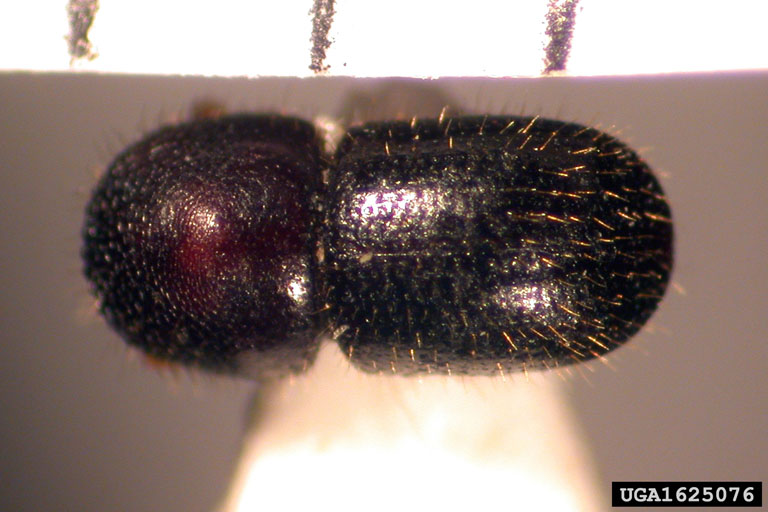
Affects: 100+ species - sycamores, box elder, coast live oak, avocado, willows, maples most affected
Tiny ambrosia beetles that bore into trees and introduce a Fusarium fungus they farm for food. The fungus clogs the tree's vascular system (Fusarium dieback). Entry holes are tiny (< 1mm) but staining on bark is visible.
Goldspotted Oak Borer high in San Diego
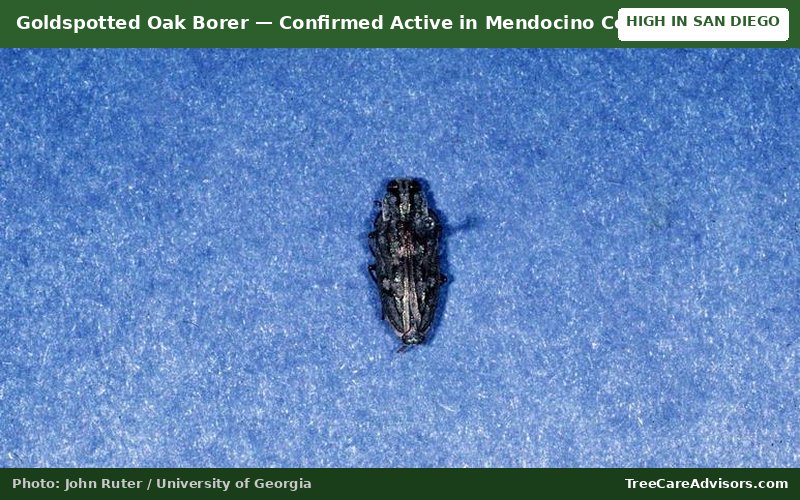
Affects: Coast live oak, California black oak, canyon live oak
Beetle native to Arizona/Mexico that has established in Southern California. Larvae bore under bark of oaks, killing branches and eventually the tree. First detected 2004, has killed >80,000 oaks in San Diego.
Mendocino Tree Data
Hiring a Tree Service in Mendocino
With over 30 landscaping companies in the county, verification is key. Always hire a company that employs an ISA Certified Arborist, and ask for proof of both their certification and current liability insurance. For diagnosis of pests like Sudden Oak Death, seek an arborist with specific experience and credentials in pest and disease management, as general landscapers often miss the early signs.
Nearby Areas We Serve
Get Tree Care Quotes in Mendocino
Compare ISA-certified arborists serving Mendocino and Mendocino County.
Get Free Quotes