Tree Care in La Habra, CA
Why Tree Care Matters in La Habra
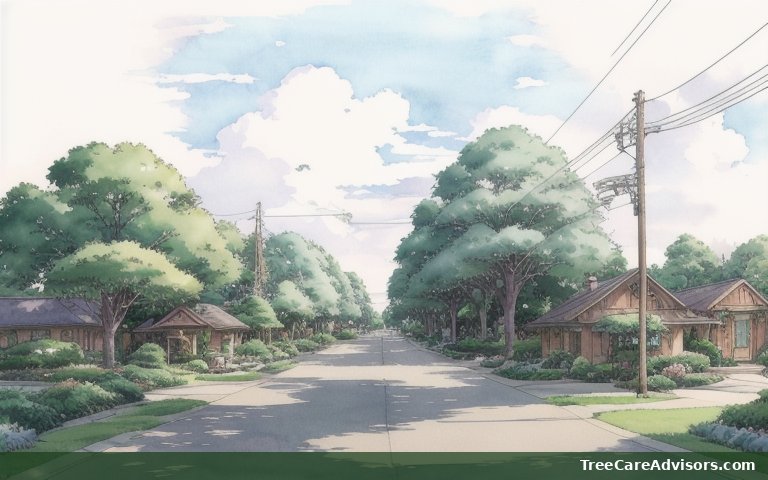
Professional tree care here is about risk management and asset protection. In our very high drought risk climate with low annual rainfall, a stressed tree is a target for pests like the invasive Shot Hole Borer. A certified arborist doesn't just trim; we assess the structural integrity of that 50-year-old Eucalyptus near your house. We use the industry-standard CTLA method to quantify your tree's value, considering its species, size, and condition. That mature, healthy native tree isn't just shade; it's a significant contributor to your property value that needs a strategic care plan to survive our dry conditions.
Your Tree's History
The 1960s-1980s development era explains most of the tree crises we respond to in La Habra. Builders favored fast-growing, non-native species for instant landscaping. The result is that today, many properties are dealing with mature specimens of Ficus, Blue Gum Eucalyptus, and Bradford pears that are at the end of their natural lifespan for an urban setting. These trees are now 50-80 feet tall, often planted too close to foundations and utilities. Their size and inherent weaknesses, combined with our wind and drought, create predictable and expensive hazards that require professional assessment and management.
La Habra Climate Profile
Risk Assessment
Growing & Pruning
Tree Services in La Habra
Tree Removal
Safe removal of dead, dying, hazardous, or unwanted trees
Tree Trimming & Pruning
Professional pruning for health, safety, and appearance
Stump Grinding & Removal
Complete stump removal after tree cutting
Emergency Tree Service
24/7 response for storm damage, fallen trees, and hazardous situations
Tree Health & Disease Treatment
Diagnosis and treatment of tree pests, diseases, and nutrient deficiencies
Common Trees in La Habra
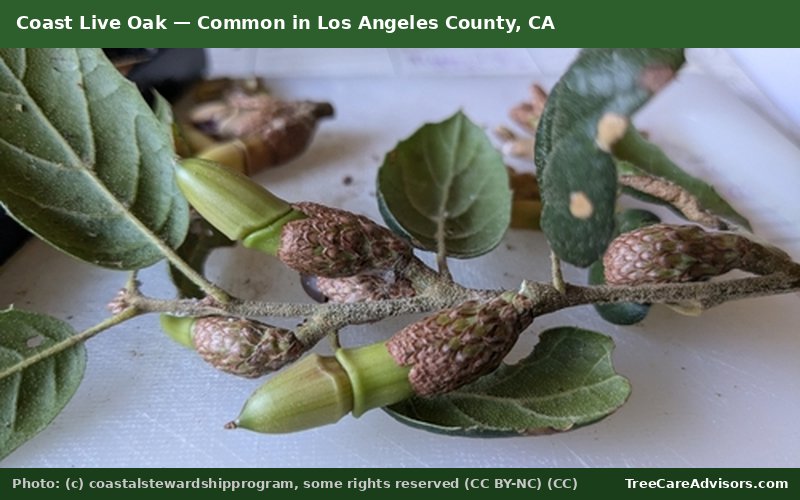
Coast Live Oak
Evergreen oak, iconic California species, protected in most jurisdictions
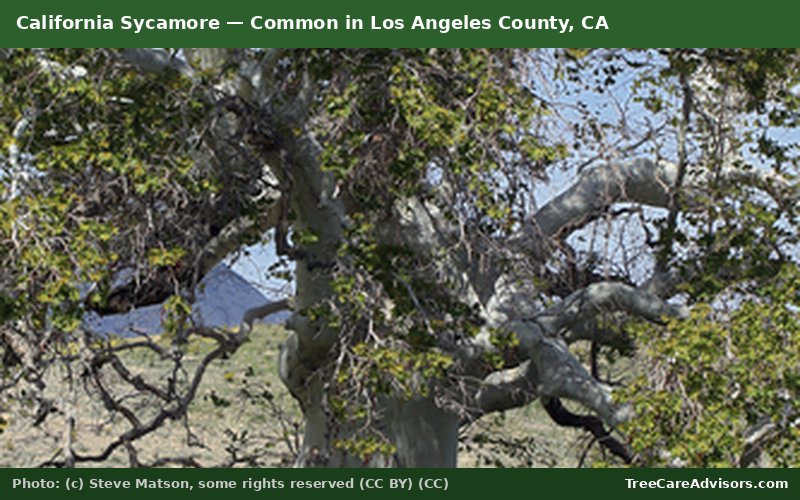
California Sycamore
Large deciduous, peeling bark, needs space - can reach 80ft
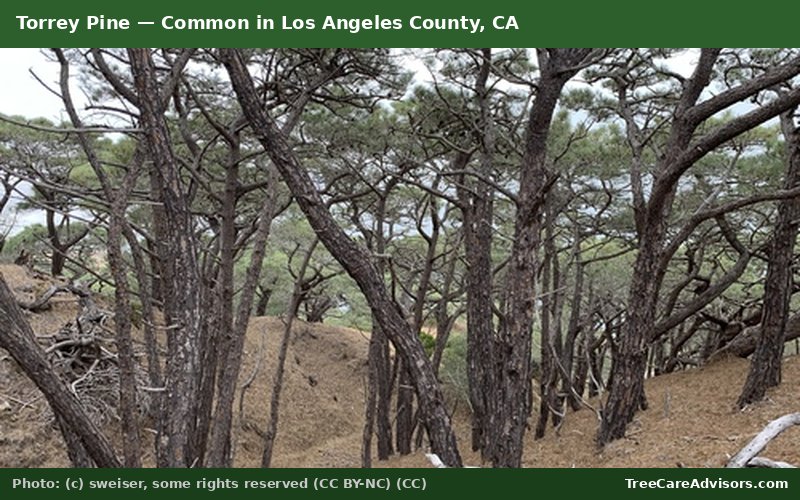
Torrey Pine
Rarest pine in US, native only to San Diego coast
California Bay Laurel
Aromatic evergreen, good shade, slow-growing
Western Redbud
Small ornamental, stunning pink spring flowers
Active Tree Threats in Los Angeles County
Sudden Oak Death (SOD) critical in coastal areas
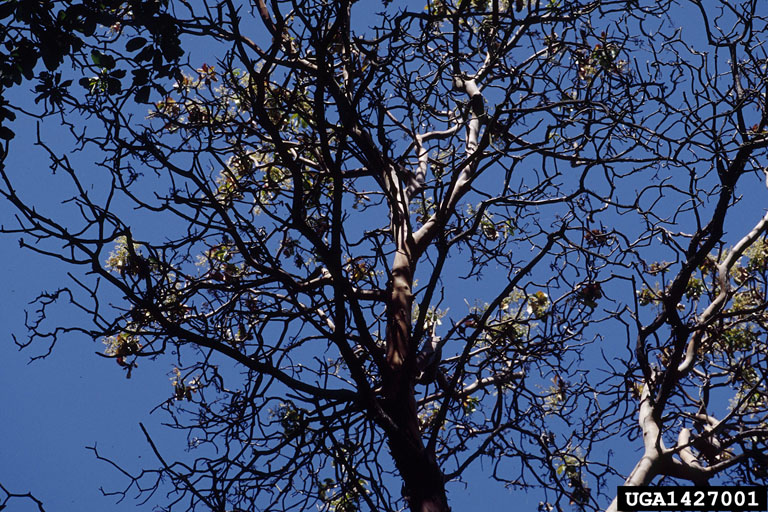
Affects: Tanoak (most lethal), coast live oak, California black oak, Shreve oak, and 100+ other species as carriers
Water mold (Phytophthora ramorum) that causes cankers on oak trunks, leading to rapid death. Spread by rain splash from infected bay laurel leaves. Has killed millions of oaks and tanoaks since 1990s.
Invasive Shot Hole Borers (ISHB/KSHB) high
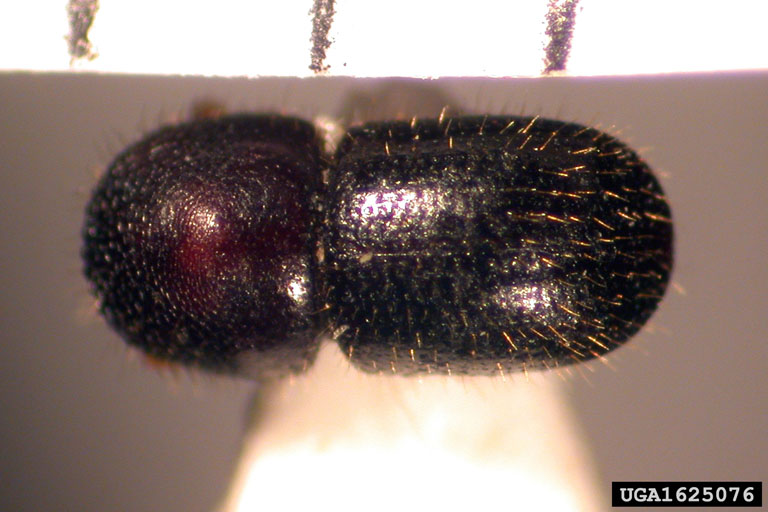
Affects: 100+ species - sycamores, box elder, coast live oak, avocado, willows, maples most affected
Tiny ambrosia beetles that bore into trees and introduce a Fusarium fungus they farm for food. The fungus clogs the tree's vascular system (Fusarium dieback). Entry holes are tiny (< 1mm) but staining on bark is visible.
Goldspotted Oak Borer high in San Diego
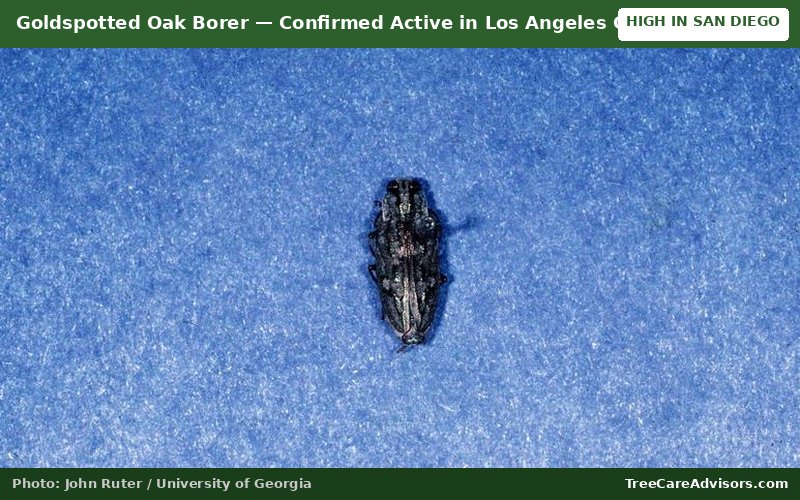
Affects: Coast live oak, California black oak, canyon live oak
Beetle native to Arizona/Mexico that has established in Southern California. Larvae bore under bark of oaks, killing branches and eventually the tree. First detected 2004, has killed >80,000 oaks in San Diego.
La Habra Tree Data
Hiring a Tree Service in La Habra
With over 1,200 landscaping companies in Los Angeles County, hiring the right professional is critical. Always verify that the individual assessing your tree is an ISA Certified Arborist, and ask for proof of both license and insurance. A legitimate arborist will provide a detailed, written estimate that specifies the work scope, never recommends topping a tree, and can explain exactly why a specific cut or treatment is necessary for the health of your tree and the safety of your property.
Nearby Areas We Serve
Get Tree Care Quotes in La Habra
Compare ISA-certified arborists serving La Habra and Los Angeles County.
Get Free Quotes