Tree Care in Coffee Creek, CA
Why Tree Care Matters in Coffee Creek
Professional tree care here is about protecting a major asset and mitigating real risk. A mature, healthy tree isn't just scenery; it has a quantifiable property value calculated by industry standards that factor in its species, size, and condition. Conversely, a failing tree is a liability. Our mix of heavy winter rain, summer highs near 100 degrees, and moderate drought cycles stresses improperly planted trees. This stress makes them targets for local pests like the Goldspotted Oak Borer or Sudden Oak Death. Proactive care preserves value and prevents costly emergency removals or property damage.
Your Tree's History
The tree issues in Coffee Creek are directly tied to its development era in the 1970s. Builders and early landscapers often selected trees for speed, not longevity or suitability. This is when problem species like Russian olive and Siberian elm were introduced. These trees are now reaching the end of their natural lifespan in our zone 7b climate, and their structural weaknesses are showing. The care they received, or lacked, over the last five decades dictates their current condition. Understanding this history is key to managing what you have now and making better choices for the future.
Coffee Creek Climate Profile
Risk Assessment
Growing & Pruning
Tree Services in Coffee Creek
Tree Removal
Safe removal of dead, dying, hazardous, or unwanted trees
Tree Trimming & Pruning
Professional pruning for health, safety, and appearance
Stump Grinding & Removal
Complete stump removal after tree cutting
Emergency Tree Service
24/7 response for storm damage, fallen trees, and hazardous situations
Tree Health & Disease Treatment
Diagnosis and treatment of tree pests, diseases, and nutrient deficiencies
Common Trees in Coffee Creek
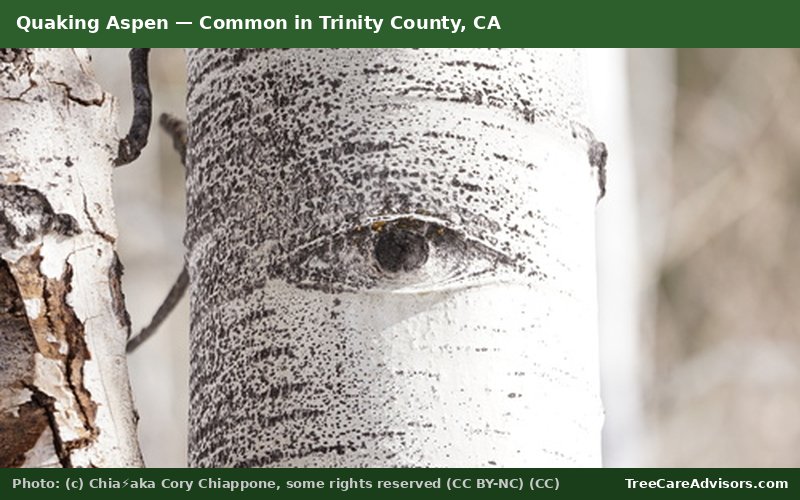
Quaking Aspen
The iconic mountain tree - actually a clonal organism, golden fall color, short-lived individually (40-60 yrs)
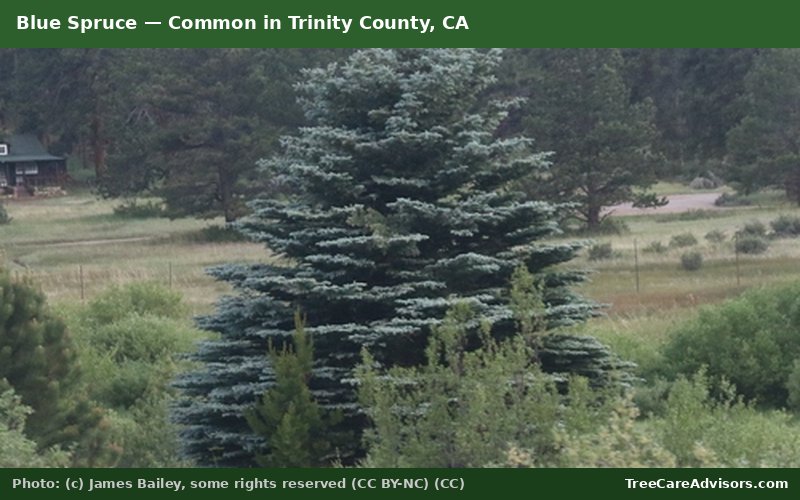
Blue Spruce
Colorado's state tree, stiff blue needles - but needle cast disease is epidemic
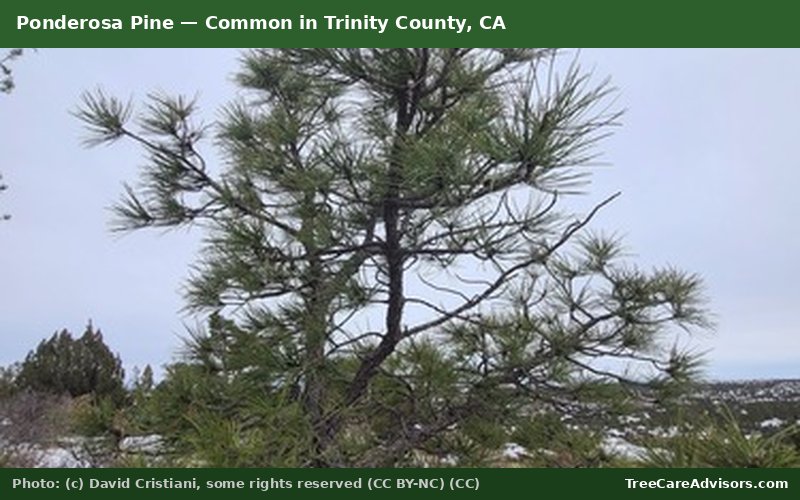
Ponderosa Pine
Tall, open-crowned, butterscotch-scented bark, fire-adapted
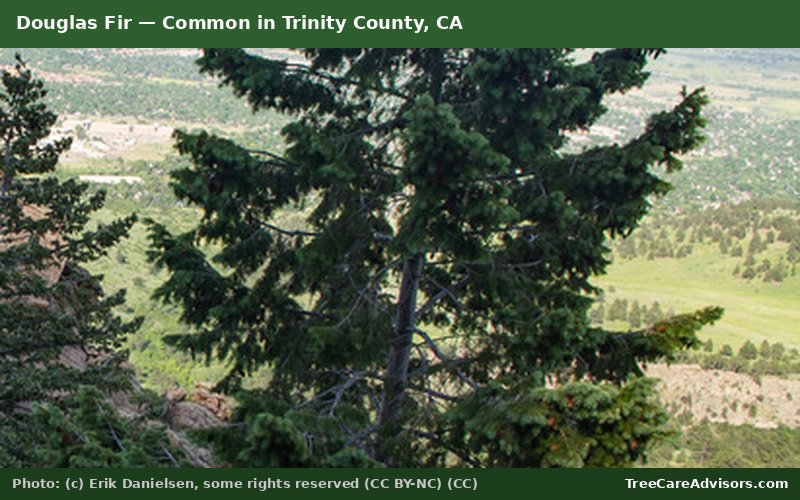
Douglas Fir
Not a true fir - tall, pyramidal, important timber species
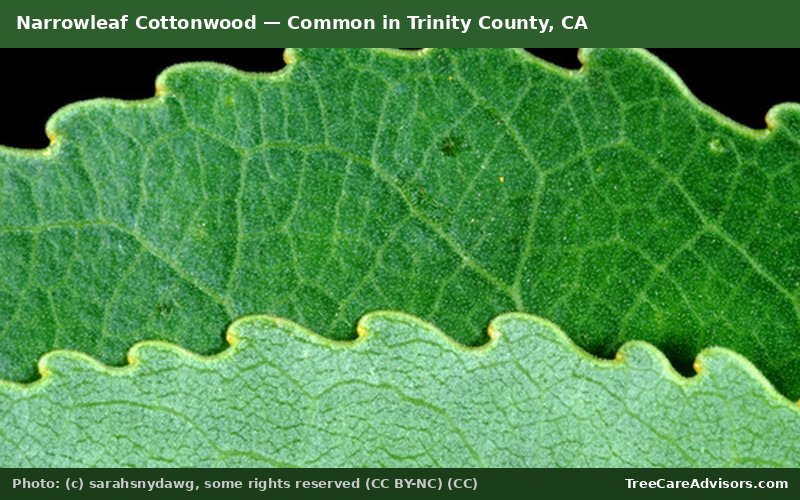
Narrowleaf Cottonwood
Riparian species, fast-growing, brilliant yellow fall color
Active Tree Threats in Trinity County
Sudden Oak Death (SOD) critical in coastal areas
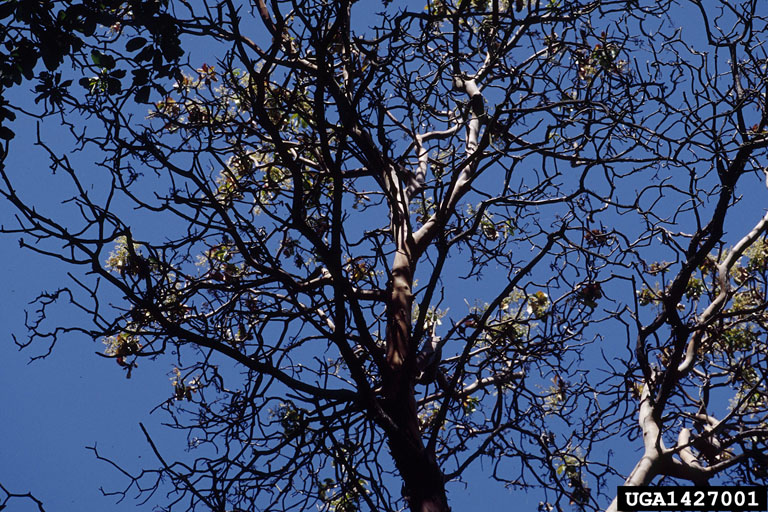
Affects: Tanoak (most lethal), coast live oak, California black oak, Shreve oak, and 100+ other species as carriers
Water mold (Phytophthora ramorum) that causes cankers on oak trunks, leading to rapid death. Spread by rain splash from infected bay laurel leaves. Has killed millions of oaks and tanoaks since 1990s.
Invasive Shot Hole Borers (ISHB/KSHB) high
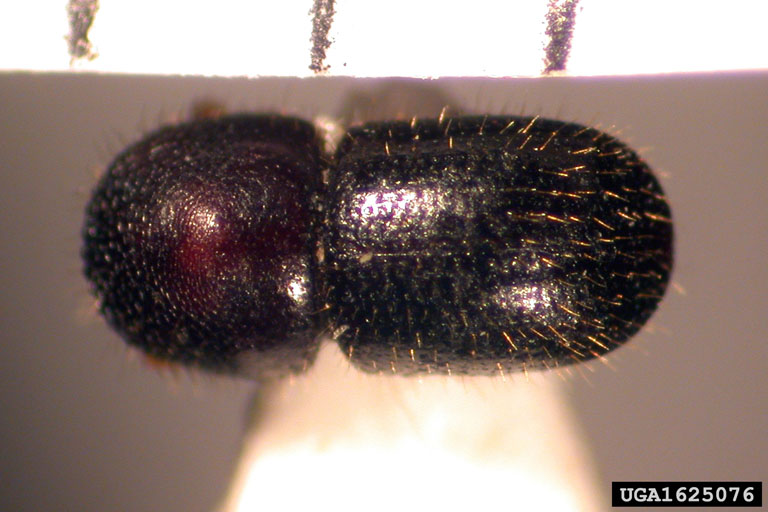
Affects: 100+ species - sycamores, box elder, coast live oak, avocado, willows, maples most affected
Tiny ambrosia beetles that bore into trees and introduce a Fusarium fungus they farm for food. The fungus clogs the tree's vascular system (Fusarium dieback). Entry holes are tiny (< 1mm) but staining on bark is visible.
Goldspotted Oak Borer high in San Diego
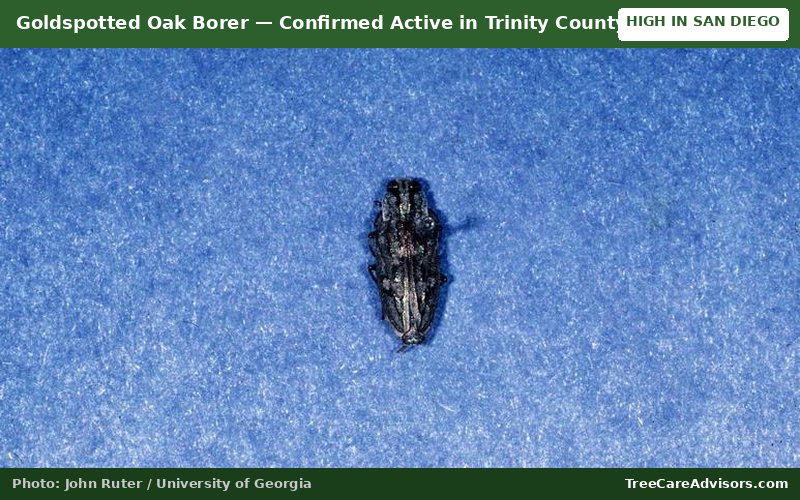
Affects: Coast live oak, California black oak, canyon live oak
Beetle native to Arizona/Mexico that has established in Southern California. Larvae bore under bark of oaks, killing branches and eventually the tree. First detected 2004, has killed >80,000 oaks in San Diego.
Coffee Creek Tree Data
Hiring a Tree Service in Coffee Creek
In a county with only a few landscaping companies, it's critical to verify specific credentials for tree work. Look for a Certified Arborist, not just a general landscaper. Ask if they carry both liability and workers' compensation insurance, and request proof. For any significant pruning or removal, they should provide a written estimate that details the scope of work, including cleanup and stump management. Get references and look for local experience, especially with our native conifers and the prevalent pest threats.
Get Tree Care Quotes in Coffee Creek
Compare ISA-certified arborists serving Coffee Creek and Trinity County.
Get Free Quotes