Tree Care in Litchfield Park, AZ
Why Tree Care Matters in Litchfield Park
Professional tree care here is about risk management and preserving value. An 80-year-old silver maple is a liability, but a mature, well-maintained Desert Ironwood has real property value. We use the industry-standard CTLA method to appraise trees, considering species, size, and condition. Proper care prevents the two main storm failures we see: uprooting from shallow roots in wet soil, and major branch breaks from weak unions or pest damage like Palo Verde Root Borer. Investing in your trees protects your home and your investment.
Your Tree's History
Since most homes here were built around 1995, your landscape trees are now mature. This is a critical age. Many were planted in the 1980s and 90s, and non-native problem species like Ficus nitida and Eucalyptus became popular. These trees are now large enough to cause significant damage if they fail. Their root systems are fully developed, and structural flaws from early poor pruning are becoming apparent. This era of growth means you're dealing with the long-term consequences of those initial planting and care choices.
Litchfield Park Climate Profile
Risk Assessment
Growing & Pruning
Tree Services in Litchfield Park
Tree Removal
Safe removal of dead, dying, hazardous, or unwanted trees
Tree Trimming & Pruning
Professional pruning for health, safety, and appearance
Stump Grinding & Removal
Complete stump removal after tree cutting
Emergency Tree Service
24/7 response for storm damage, fallen trees, and hazardous situations
Tree Health & Disease Treatment
Diagnosis and treatment of tree pests, diseases, and nutrient deficiencies
Common Trees in Litchfield Park
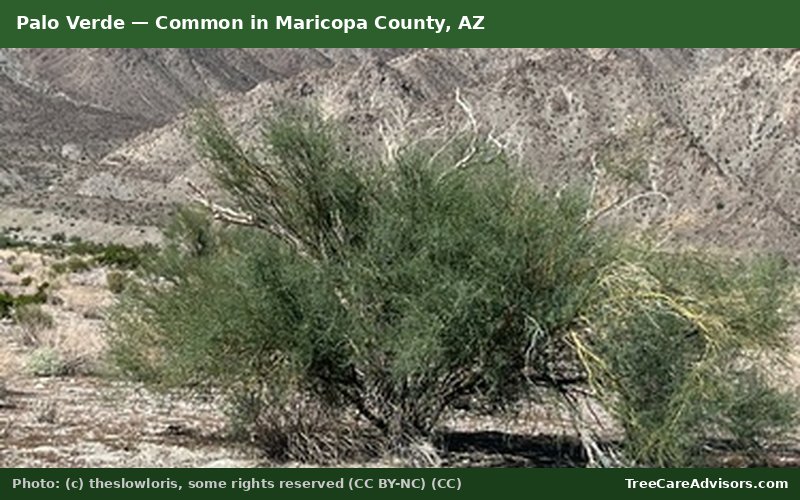
Palo Verde (Blue & Foothills)
State tree of AZ, drought-deciduous, green bark photosynthesizes
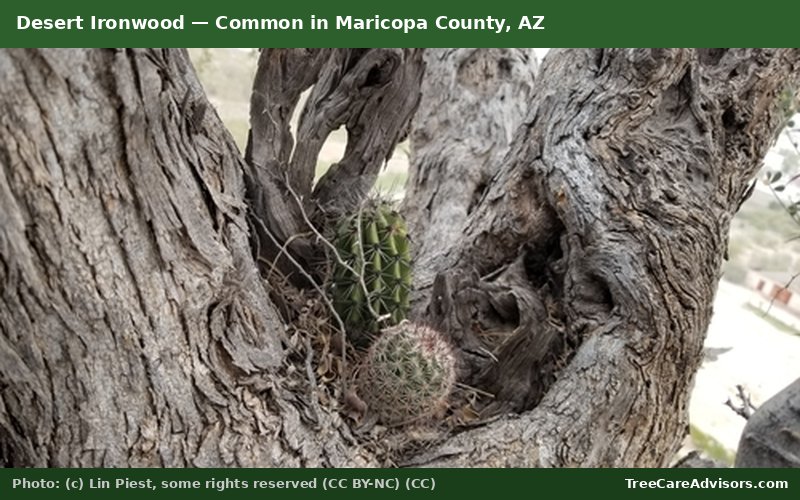
Desert Ironwood
Extremely hard wood, slow-growing, can live 1,500 years
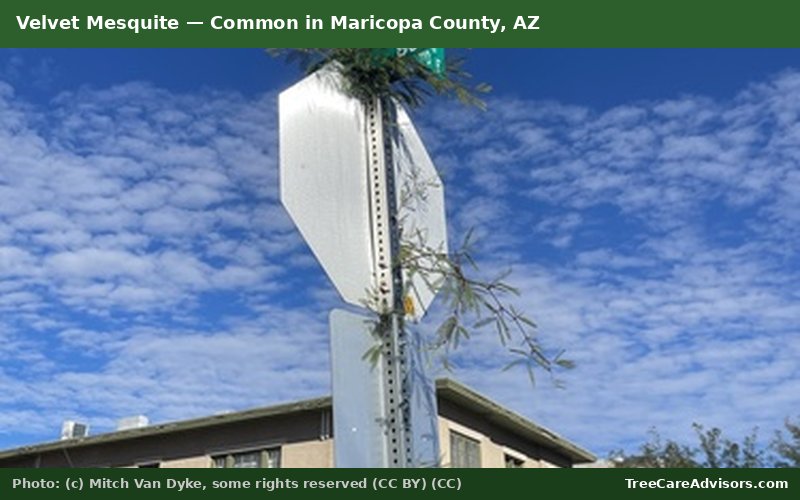
Velvet Mesquite
Deep taproot (50+ ft), nitrogen-fixing, important wildlife habitat
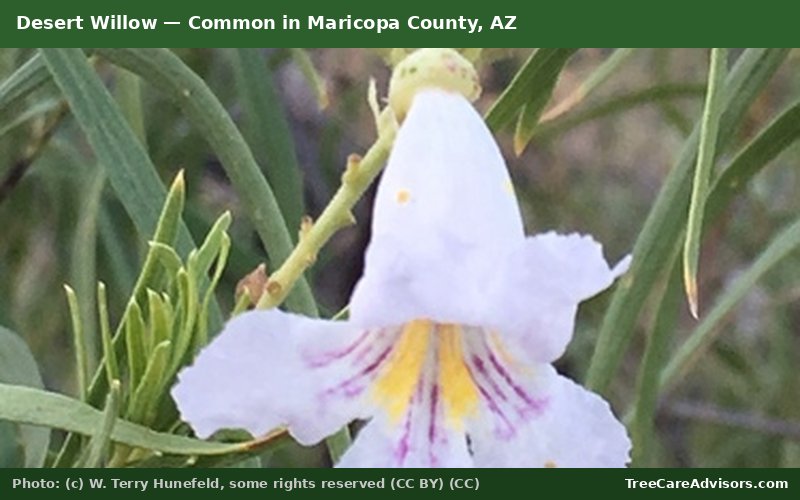
Desert Willow
Not a true willow - showy trumpet flowers, deciduous in winter
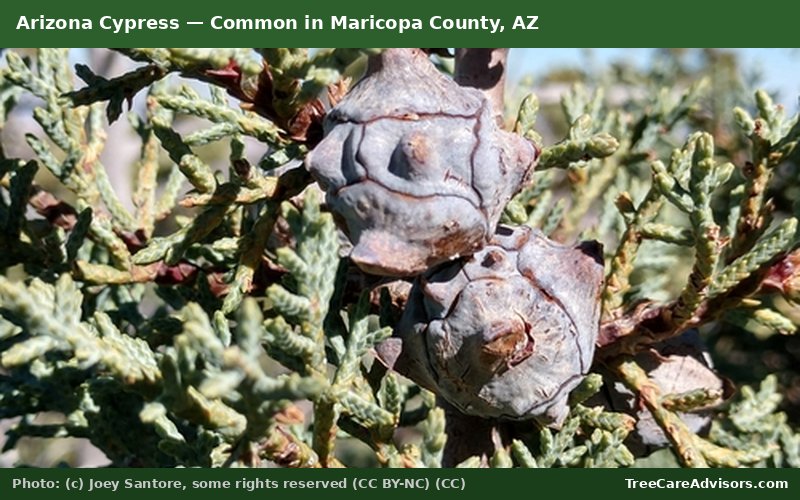
Arizona Cypress
Evergreen, fast-growing, good windbreak
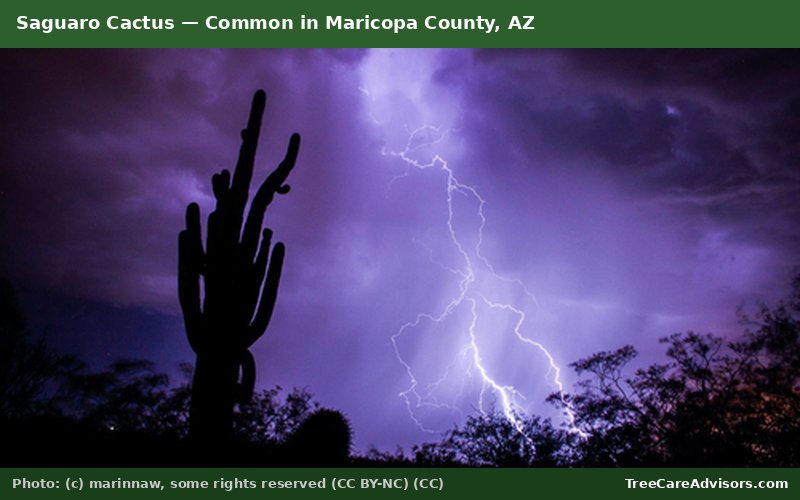
Saguaro Cactus
Not a tree but legally protected - removal requires permit
Active Tree Threats in Maricopa County
Palo Verde Root Borer moderate
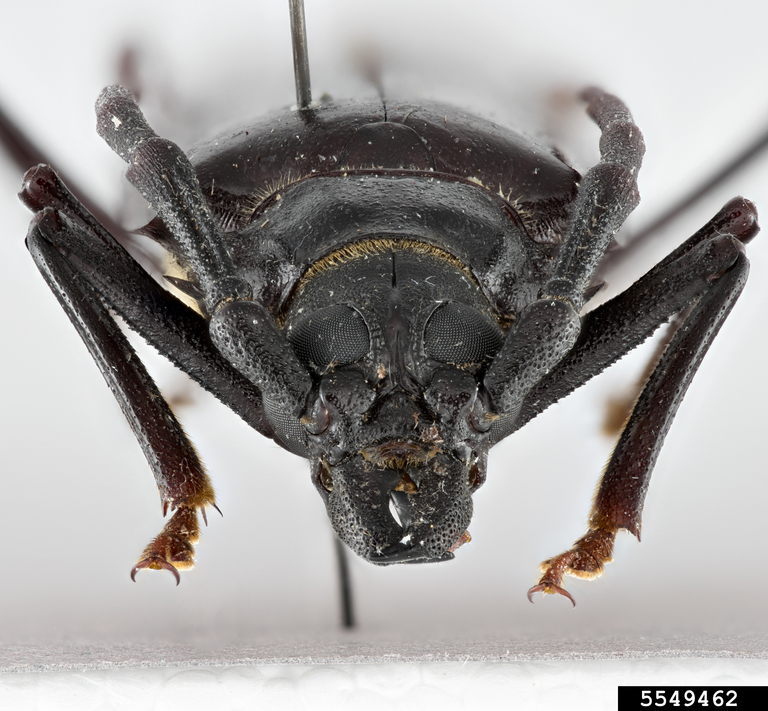
Affects: Palo Verde trees (primary), but larvae found in roots of other desert trees
Spectacular 4-inch beetle with long antennae. Larvae spend 2-3 years feeding on Palo Verde roots underground before emerging as adults in summer monsoon season. Healthy trees can tolerate moderate infestation.
Giant Whitefly moderate
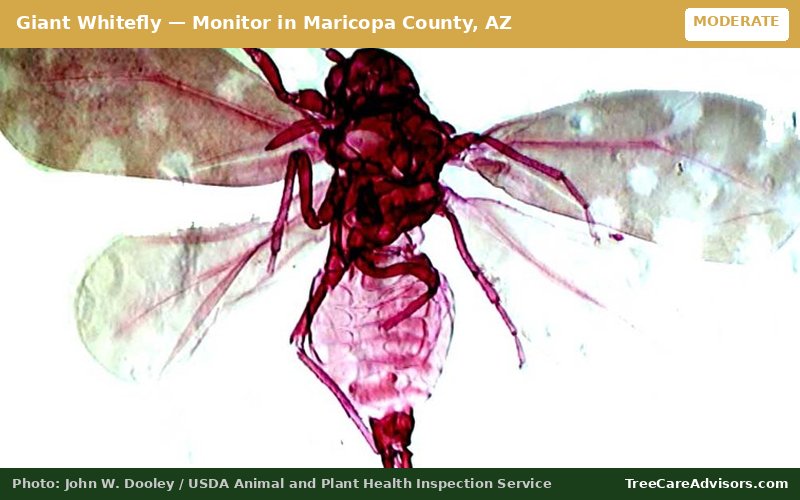
Affects: Ornamental trees and shrubs - hibiscus, ficus, mulberry, citrus
Produces waxy spiral deposits on undersides of leaves and long waxy filaments that look like white beards hanging from trees. Cosmetically alarming but rarely kills trees.
Bark Beetle Complex high at elevation
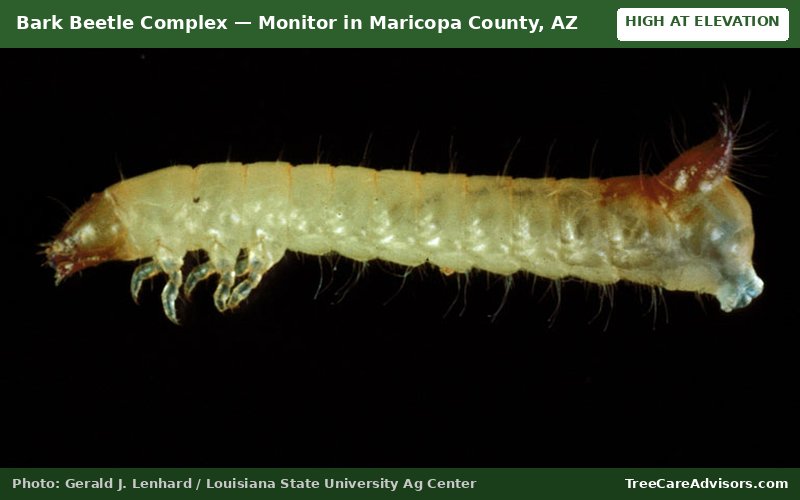
Affects: Ponderosa pine, pinyon pine, and other conifers at higher elevations
Multiple bark beetle species (Ips, Dendroctonus) attack drought-stressed conifers. Trees show fading needles, boring dust at base, and die within weeks. Decades of drought and fire suppression have created vulnerable forests.
Litchfield Park Tree Data
Hiring a Tree Service in Litchfield Park
With over 1,100 landscaping companies in the county, choosing the right one is key. Look for a certified arborist who understands our local pests, like the Bark Beetle complex, and our soil. Ask specifically about their storm damage assessment process and how they tailor deep watering schedules for mature trees. Avoid companies that recommend topping trees or daily shallow watering.
Nearby Areas We Serve
Get Tree Care Quotes in Litchfield Park
Compare ISA-certified arborists serving Litchfield Park and Maricopa County.
Get Free Quotes