Tree Care in Homewood, AL
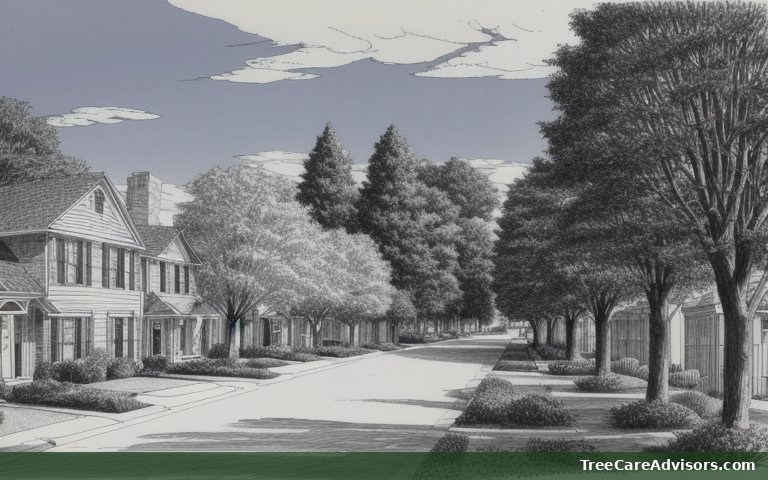
Why Tree Care Matters in Homewood
With 21 or more storm events per year and July highs pushing into the low 90s, Homewood's trees are under consistent stress. A tree that looks fine from your driveway can have advanced heartwood decay or a compromised root system that only shows up during a proper risk assessment. That gap between what's visible and what's actually happening is where property damage and personal injury come from. Laurel Wilt is also moving through Jefferson County, spread by the redbay ambrosia beetle. It kills trees in the laurel family, including sassafras, within weeks of infection. Combined with Formosan Subterranean Termites quietly working through root systems and Southern Pine Beetle hitting stressed pines, professional oversight here isn't routine maintenance. It's risk management.
Your Tree's History
Homes built in the 1960s through 1980s in Homewood were typically landscaped with what was fashionable at the time: green ash for street shade, flowering dogwoods for ornamental interest, and later Bradford pears. The green ash situation is the most urgent right now. Dogwoods from that era have also been hit hard by dogwood anthracnose, a fungal disease caused by Discula destructiva that spread through the region starting in the 1980s and killed millions of native trees. If your dogwood looks thin, has branch dieback, or just hasn't looked right in years, it's likely been fighting this disease for a long time.
Homewood Climate Profile
Risk Assessment
Growing & Pruning
Tree Services in Homewood
Tree Removal
Safe removal of dead, dying, hazardous, or unwanted trees
Tree Trimming & Pruning
Professional pruning for health, safety, and appearance
Stump Grinding & Removal
Complete stump removal after tree cutting
Emergency Tree Service
24/7 response for storm damage, fallen trees, and hazardous situations
Tree Health & Disease Treatment
Diagnosis and treatment of tree pests, diseases, and nutrient deficiencies
Common Trees in Homewood
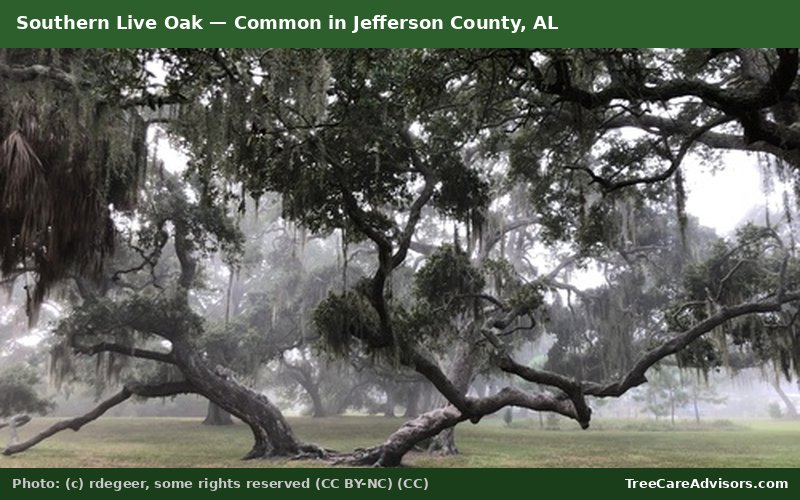
Southern Live Oak
The iconic spreading oak of the South - can live 500+ years, massive canopy
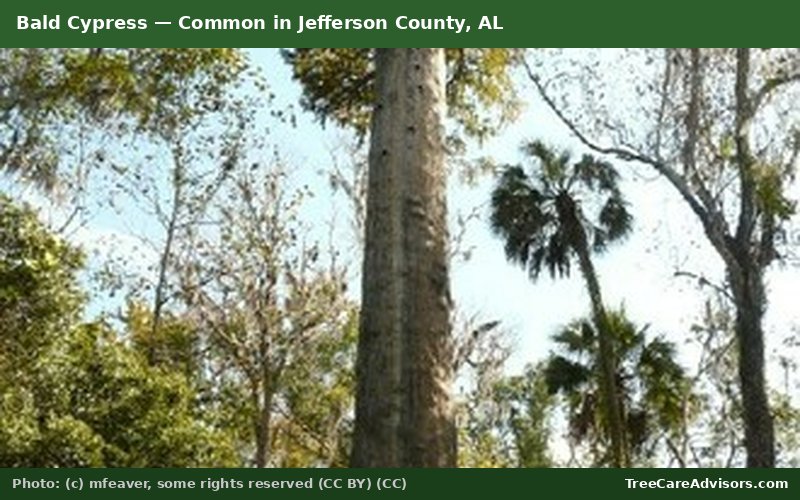
Bald Cypress
Deciduous conifer, swamp-adapted, distinctive knees, excellent longevity
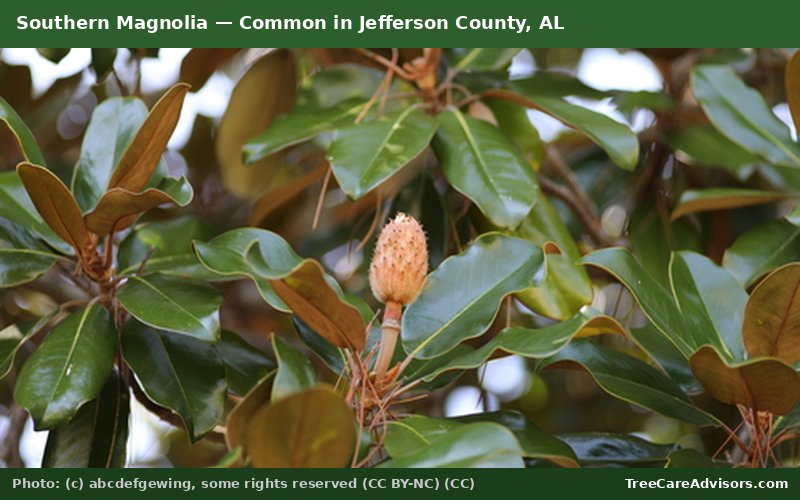
Southern Magnolia
Evergreen, large fragrant white flowers, heavy leaf drop
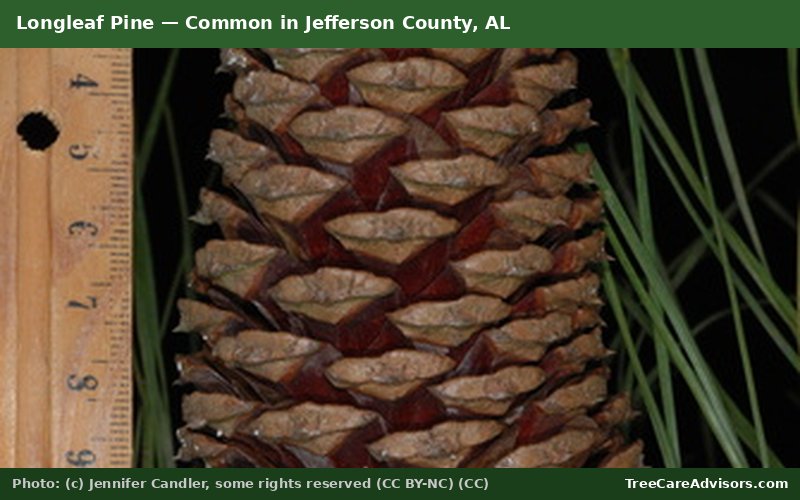
Longleaf Pine
Historic timber species, fire-adapted, slow-starting growth
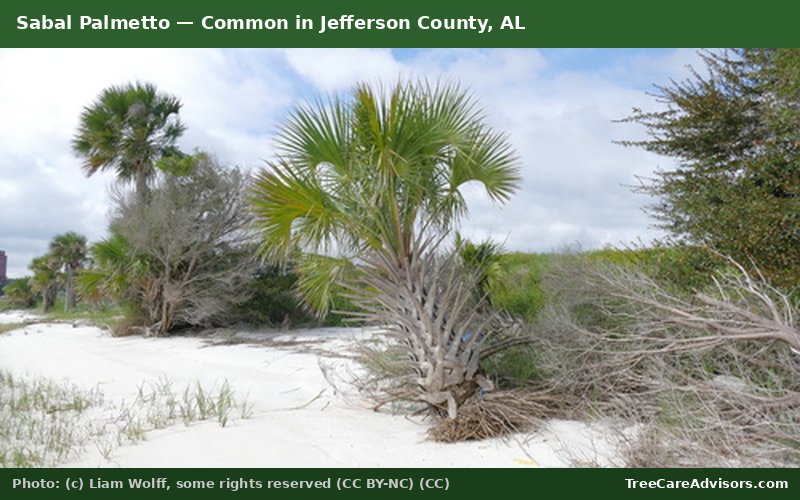
Sabal Palmetto
State tree of SC and FL - hurricane-resistant due to flexible trunk
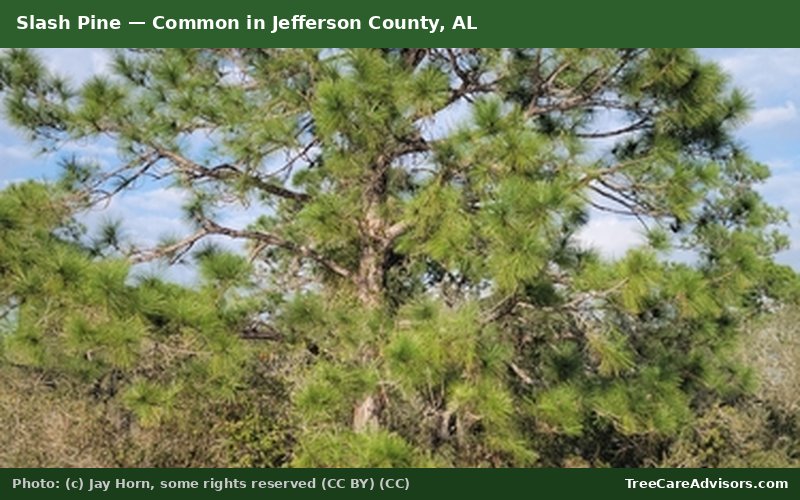
Slash Pine
Fast-growing coastal pine, important for windbreaks
Active Tree Threats in Jefferson County
Formosan Subterranean Termites critical
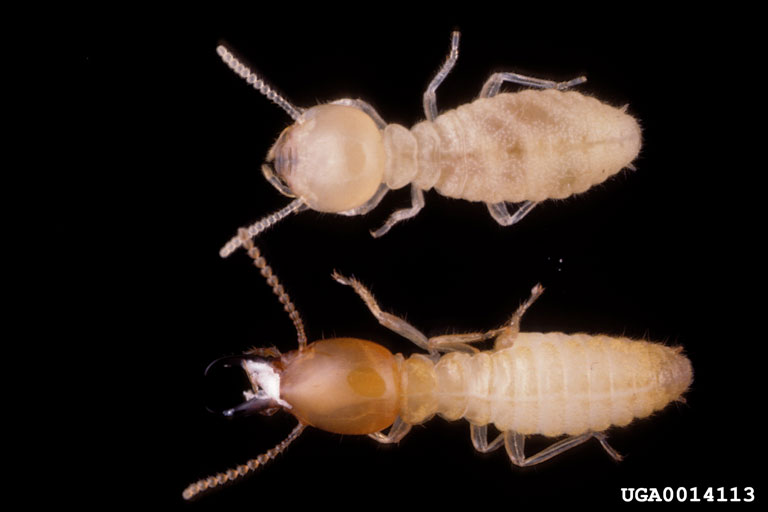
Affects: Both dead wood and living trees - will hollow out live oaks and other species from the inside
The most destructive termite species in the US. Colonies can contain millions of individuals. Unlike native termites, Formosans build above-ground carton nests IN living trees, consuming heartwood while the tree appears healthy from outside.
Laurel Wilt critical
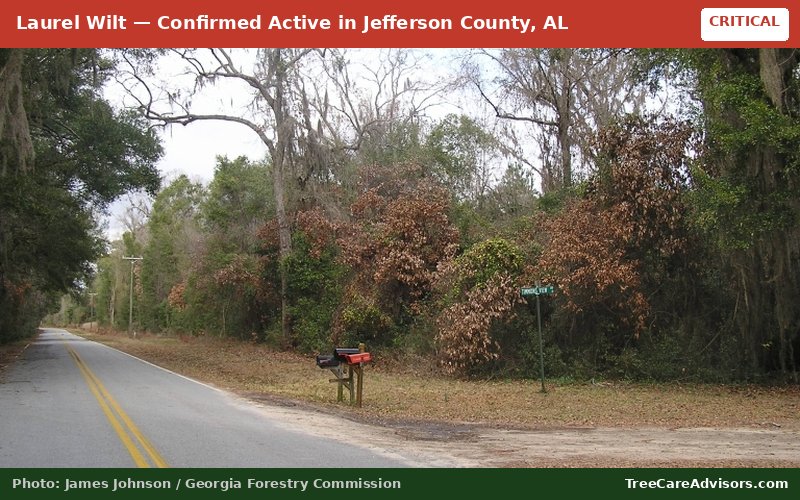
Affects: Redbay, sassafras, swamp bay, avocado, pondspice
Fungal disease spread by the redbay ambrosia beetle (invasive from Asia). The beetle introduces the fungus when it bores into the tree to farm. Has killed over 300 million redbays and threatens the avocado industry.
Southern Pine Beetle high
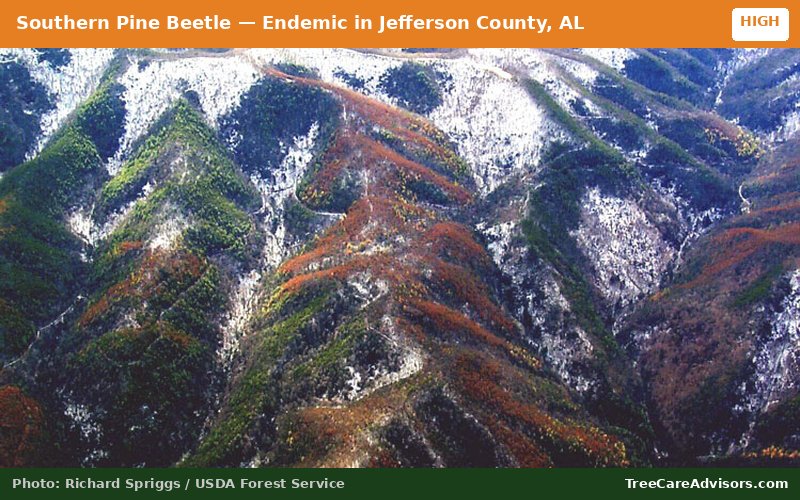
Affects: Loblolly, shortleaf, Virginia, pitch, and other southern pines
Small bark beetle (size of a grain of rice) that mass-attacks stressed pines. Trees die rapidly when beetle populations overwhelm defenses. Outbreaks can kill thousands of acres of pine.
Homewood Tree Data
Hiring a Tree Service in Homewood
Jefferson County has 179 tree care companies, and the range in quality is wide. Look specifically for ISA (International Society of Arboriculture) certification. Certified arborists have passed a comprehensive exam covering tree biology, risk assessment, and safe removal practices, and they have to keep those credentials current. Ask for credentials and proof of liability insurance before anyone starts work. A low bid from an uncertified crew working on a 60-year-old oak over your roof is not actually a bargain.
Nearby Areas We Serve
Get Tree Care Quotes in Homewood
Compare ISA-certified arborists serving Homewood and Jefferson County.
Get Free Quotes