Your Soil Is the Problem: What 3,778 Cities Taught Us About Tree Health
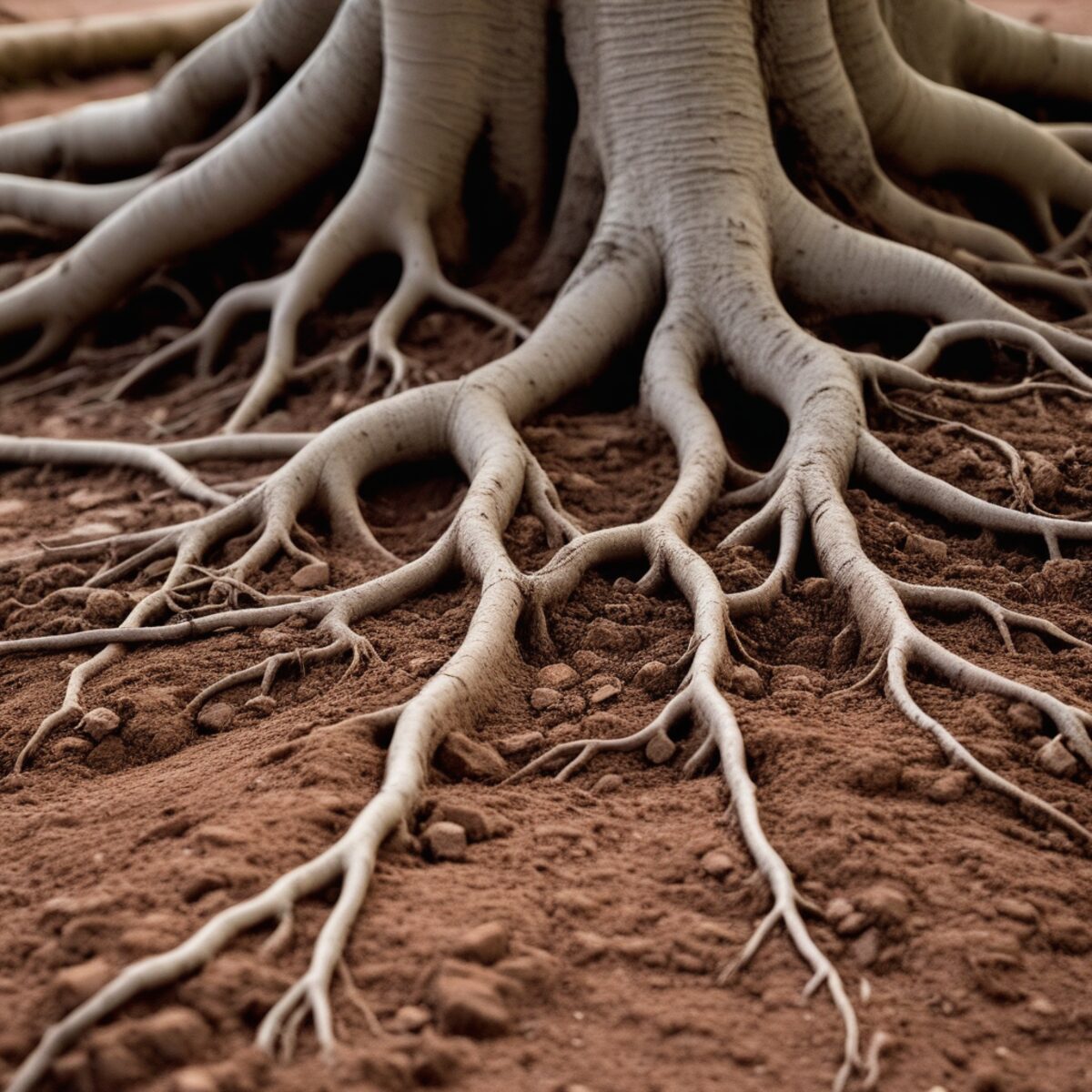
If you’re wondering why your tree looks stressed despite regular watering, the answer is likely beneath your feet. After analyzing USDA soil survey data for 3,778 cities, a clear pattern emerges. The health of your urban trees is dictated first and foremost by the type of soil they’re forced to grow in. While pests and diseases get the headlines, soil is the foundational, and often overlooked, problem.
The most surprising finding isn't just that soil types vary, but how few cities naturally provide the ideal conditions for tree roots. The data reveals a landscape of hidden challenges.
| Soil Texture | Cities |
|---|---|
| loam | 507 |
| silt loam | 481 |
| sandy loam | 351 |
| rock | 180 |
| fine sandy loam | 176 |
| fine sand | 108 |
| loamy sand | 94 |
| clay loam | 91 |
| sand | 90 |
| clay | 86 |
On the surface, this looks promising. Loam and silt loam, the textures easiest for most trees, top the list. But add up the problematic categories. 180 cities sit on rock. 86 have pure clay. Another 342 are dominated by various sandy soils. That means over 600 cities, nearly one in six in this survey, have soils that present severe, inherent obstacles to tree health. Your city is likely one of them.
Why Your City’s Soil Is a Legacy of Geology and Development
These patterns aren't random. They are the direct result of geology and the history of human settlement. Cities built on floodplains, like many in the Midwest, often have richer silt loam and loam. Coastal communities and ancient glacial outwash plains, such as Popponesset Island, MA or Stone Harbor, NJ, are built on sand. Areas with underlying bedrock or shallow soils, like Paradise Valley, AZ or Alpine, NJ, become the "rock" category.
The real issue is that urban development magnifies every soil's weakness. Construction equipment compacts the ground. Grading removes topsoil. Buildings and pavement alter drainage. A tree that might struggle in native clay is often planted into a site where that clay has been further degraded and compressed, creating a crisis for its root system.
The Silent Killer in Almost Every Soil: Compaction
Regardless of whether your soil is clay, sand, or loam, compaction is the universal urban threat. Healthy, forested soil is about 50% pore space, a mix of air and water. In our cities and suburbs, that space can be crushed to less than 10% by driving, parking, or even heavy foot traffic on the root zone.
Tree roots need oxygen. When soil is compacted, roots cannot grow, absorb water, or access nutrients. The tree slowly starves. Signs of soil compaction stress are subtle but consistent. You will see smaller than normal leaves, early fall color, branch dieback starting at the tips, and slow closure of any wounds.
Critically, 90% of a tree's roots live in the top 12 to 18 inches of soil, spreading far wider than the canopy. A tree with a 40 foot wide crown can have roots extending 60 to 80 feet from the trunk. The feeder roots that absorb water and nutrients are concentrated in the top 6 inches. This means anything that happens on the surface, from soil addition to compaction, directly impacts the tree's lifeline. A single pass with heavy equipment can compact soil enough to kill roots at that depth for years.
Clay Soil: The Suffocation Hazard
If you live in a place like Lafayette, CA or Orinda, CA, your trees are facing a double bind. Pure clay soil has extremely tiny particles that pack tightly together, leaving minimal space for air. It drains poorly, staying waterlogged after rain. This creates two major problems.
First, saturated clay pushes out oxygen, suffocating feeder roots. Second, the constant moisture creates an ideal environment for root rot fungi like Phytophthora. The tree's anchor system rots from below. Conversely, in dry periods, clay can bake into a hard, brick like surface that roots cannot penetrate, compounding compaction issues.
Trees in clay show symptoms of both drought stress, because roots can't access water in the hardened soil, and overwatering, because of root rot. You may also see soil heaving, where the clay expands and contracts, damaging shallow infrastructure.
Sandy Soil: The Nutrient Desert
For trees in Chatham, MA or Kailua, HI, the problem is the opposite. Sandy soil has large particles with too much pore space. Water drains through it far too quickly, often before roots can absorb it. More critically, essential nutrients like nitrogen and potassium leach out with every rain, leaving trees in a state of chronic deficiency.
Trees in sandy soils often exhibit stunted growth, pale green or yellowing leaves, and increased susceptibility to pests and diseases due to nutrient stress. They are perpetually thirsty and underfed. Without organic matter to hold moisture and nutrients, even regular fertilization is like pouring water into a sieve.
Rocky Soil: The Anchor Crisis
In communities like Crystal Bay, NV or Tuxedo Park, NY, trees face a physical barrier. Rocky or shallow soils prevent roots from growing deep or spreading wide to form a stable anchor. The vast majority of the root system is forced to remain dangerously shallow.
This creates a severe risk of windthrow, where a tree can be toppled entirely by a storm because its root plate is too small and shallow to hold it. These trees are also more vulnerable to drought, as they have access to a very limited volume of soil moisture. Growth is often slower, and trees may remain smaller in stature.
Loam: The Ideal That Still Needs Help
The 507 cities with loam and 481 with silt loam have a head start. These soils are a balanced mix of sand, silt, and clay, providing good drainage, aeration, and nutrient retention. They are the gold standard.
However, "ideal" in a natural setting does not mean "immune" in an urban one. Construction, foot traffic, and the removal of natural leaf litter can still compact and degrade even the best loam. The organic matter that makes loam fertile is constantly being consumed and must be replenished. An urban loam soil without care can quickly become a poor one.
What You Can Do: Diagnose, Amend, and Protect
Your first step is to diagnose your own soil. Take a handful of moist soil and squeeze it. * Sandy soil will fall apart immediately. * Loamy soil will hold its shape briefly before crumbling. * Clay soil will form a tight, slick ball that holds its shape easily.
Next, perform a percolation test. Dig a hole about 12 inches deep and fill it with water. If it drains in less than an hour, you likely have sand. If it takes several hours, it's likely loam. If it takes more than 12 hours, you have a drainage problem typical of clay.
For All Soil Types, Protection is Paramount. The single most important practice is to establish and maintain a mulch ring. Apply 2 to 4 inches of wood chip mulch over the root zone, starting a few inches from the trunk and extending as far as you can, ideally to the drip line and beyond. Mulch is not just decorative. It reduces soil compaction from rain and foot traffic, retains moisture, moderates soil temperature, and slowly breaks down to feed the mycorrhizal fungi that are essential for root nutrient absorption. Never pile mulch against the trunk, and never add soil on top of existing roots.
For Compacted Clay or Loam: Aerate. For established trees showing compaction stress, vertical mulching can help. Using a soil auger, drill 2 inch wide holes 12 to 18 inches deep in a grid pattern throughout the root zone, focusing on the area between the trunk and the drip line. Fill these holes with compost. This creates channels for air and water and introduces organic matter directly into the root zone. Radial trenching is a more intensive but excellent method for severe cases.
For Sandy Soil: Build Organic Matter. Your goal is to turn sand into loam over time. Regularly incorporate compost into the soil surface within the mulch ring. Use organic, slow release fertilizers to reduce leaching. Consider planting a cover crop of clover in open areas of the root zone to fix nitrogen and add organic material when it dies back.
For Rocky Soil: Choose Wisely and Water Deeply. Select tree species known for their ability to cling to shallow soils, like certain oaks or pines adapted to rocky outcrops. The key is deep, infrequent watering to encourage roots to grow as deep as the limited soil will allow, improving stability. Staking young trees for longer periods may be necessary.
Selecting the Right Tree for Your Soil
Finally, match the tree to the condition. Fighting your soil is a long term battle. Sometimes the best strategy is to plant a tree that tolerates your native challenge. * For Clay: Consider bald cypress, river birch, hawthorns, or certain maples like the Freeman maple. * For Sand: Live oak, eastern red cedar, ponderosa pine, and trees native to coastal plains are adapted to low nutrient and dry conditions. * For Rocky/Shallow Soils: Anchor roots are key. Look to species like bur oak, Colorado blue spruce, or hickories. * For Compacted Urban Sites: The honeylocust, ginkgo, and London plane tree are famously tolerant of tough soil conditions.
The data from 3,778 cities tells a clear story. Tree health is not an abstract concept. It is a direct function of the physical world their roots inhabit. By understanding your soil's legacy and its limitations, you can move from guessing why a tree is failing to taking concrete steps to give it a foundation for a long and healthy life. Start with a simple soil test and a ring of mulch. Your trees will show their gratitude for years to come.
Check Your Trees
Enter your zip code to see local species, pest threats, and risk assessments.
Search by Zip Code