Stop Planting Bradford Pears
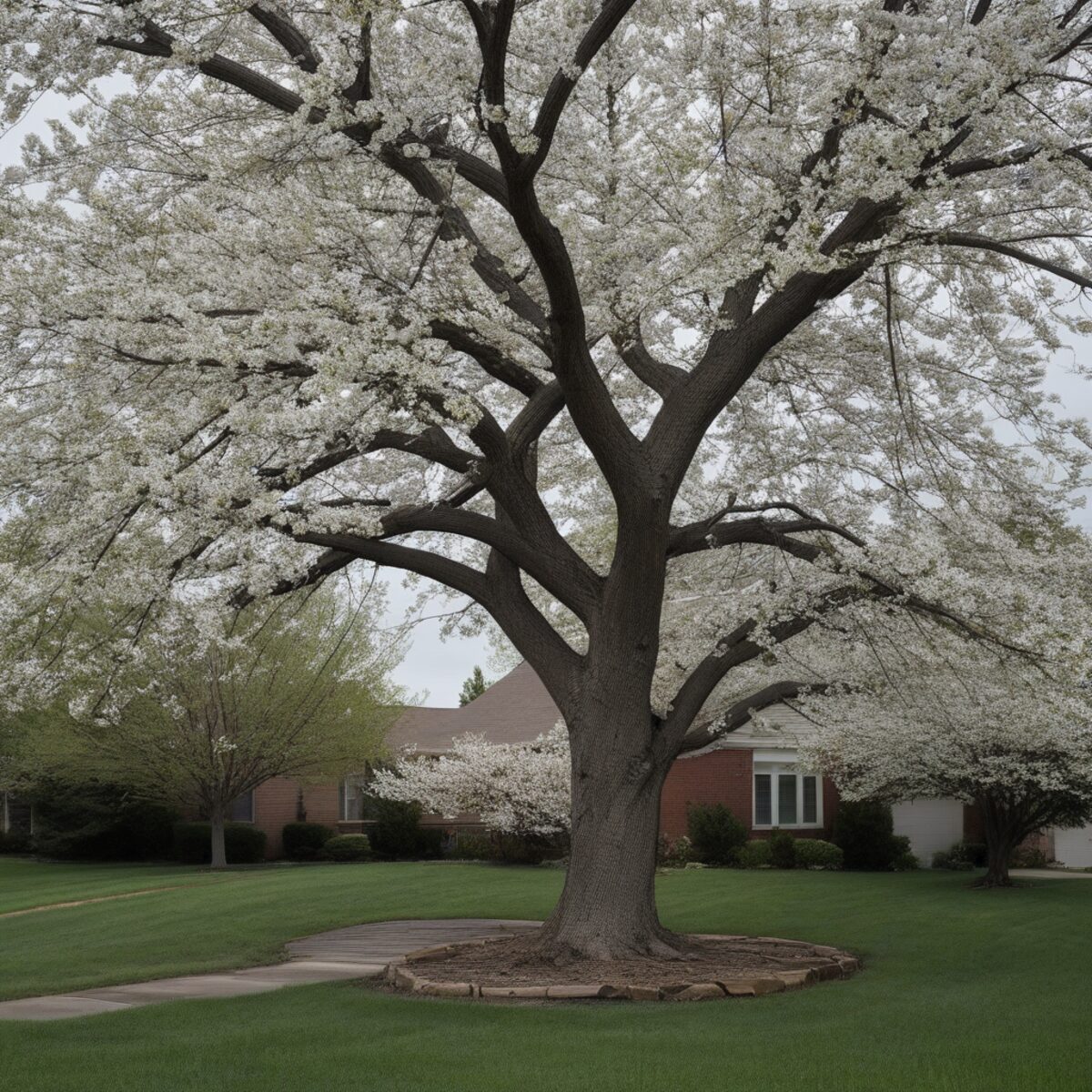
I have cut down more Bradford pear trees than I can count. Every single one was a preventable mistake. If you are considering planting one, or if your builder just planted a row of them, stop. This tree is a liability disguised as landscaping, and its time in our neighborhoods is over.
The Bradford pear is a textbook example of the wrong tree for any place. Its problems are not a matter of bad luck, but of fundamental design. We are living with the consequences of short-sighted decisions made decades ago, and this tree is one of the worst offenders.
The Inevitable Split: A Structural Time Bomb
The primary failure of the Bradford pear is not disease or pests. It is physics. The tree grows with multiple stems originating from the same point on the trunk, forming tight, V-shaped crotches.
In a strong tree, a branch union has wood fibers that interweave, creating a strong bond. In the Bradford pear, the bark grows inward between these tight stems, a flaw called included bark. This bark acts as a wedge, preventing a strong connection. There is no bond, only two pieces of wood pressed together.
When the wind blows or ice accumulates, these weak unions fail. A 15-year-old Bradford pear can split in half under a moderate spring storm, crushing cars, damaging roofs, and destroying fences. The average lifespan before a major structural failure is just 20 to 25 years. You are not planting a legacy tree for your grandchildren. You are installing a maintenance headache with a predictable expiration date.
This is codominant stem failure, the number one cause of catastrophic tree failure in residential areas. With a Bradford pear, it’s not a risk. It’s a guarantee.
The Silent Invasion: A Spreading Ecological Menace
The structural flaw alone should disqualify it. But the Bradford pear has a second, more insidious legacy. It is an ecological vandal.
Pyrus calleryana, the species from which the ‘Bradford’ cultivar was bred, is now classified as invasive in many states, from Pennsylvania to South Carolina. South Carolina banned its sale outright in 2024.
Here’s how the invasion happens. The original ‘Bradford’ was sterile. But to fix its structural problems, nurseries developed new cultivars like ‘Aristocrat’ and ‘Cleveland Select’. These were planted everywhere. These different cultivars can cross-pollinate. The fertile fruit is eaten by birds, which spread the seeds into natural areas, fence rows, and highway medians.
The result is a thicket of wild Callery pears. They grow with terrifying thorns, outcompete native seedlings for sunlight and resources, and form monocultures that offer little value to local insects and wildlife. That innocent-looking tree in your front yard is contributing to the degradation of natural ecosystems miles away.
Why Are These Trees Still Sold?
You might ask, if this tree is so bad, why does every big-box nursery and landscape company still sell them?
The answer is in the economics of instant gratification. Builders and developers want fast growth and cheap prices. The Bradford pear provides both. It grows quickly, provides a lollipop shape that looks “neat” in a parking lot, and has showy white flowers for a week in spring. It is the perfect tree for someone who will sell the property and be gone long before it splits in half.
Nurseries keep selling them because people keep buying them. They are a cash crop. The advice to “plant the right tree in the right place” didn’t enter mainstream practice until the 1990s. We are still undoing the damage from the era of fast-growing, disposable trees like the Bradford pear, the weak-wooded silver maple, and the invasive Norway maple.
Choosing a tree is a decision that echoes for 80 years or more. We must think in decades, not seasons.
What to Plant Instead
The good news is we have spectacular alternatives. For every function the Bradford pear pretends to fulfill, there is a better, more beautiful, and more resilient native tree. Here are my top recommendations, organized by the hardiness zones where Bradford pears currently run rampant.
For Zones 5-6 (Think Columbus, OH or Kansas City, MO): * Serviceberry (Amelanchier spp.): A perfect small tree. White spring flowers, edible berries for you and the birds, and brilliant orange-red fall color. No structural issues. * American Hornbeam (Carpinus caroliniana): A tough, slow-growing understory tree with beautiful muscle-like bark. Excellent for smaller spaces. * Eastern Redbud (Cercis canadensis): Stunning pink-purple spring flowers directly on the stems. Heart-shaped leaves. Just plant it. * Yellowwood (Cladrastis kentukea): A magnificent mid-sized tree with fragrant white flower clusters in late spring and clean, smooth bark.
For Zones 7-8 (Think Nashville, TN or Charlotte, NC): * Fringe Tree (Chionanthus virginicus): Unbelievably beautiful, with delicate, fringe-like white flowers in late spring. A true native gem. * Sourwood (Oxydendrum arboreum): Long chains of white summer flowers, brilliant crimson fall color, and an elegant, pyramidal form. * Dogwood (Cornus florida): A classic for a reason. Spring flowers, summer berries, fall color. Select a disease-resistant cultivar. * ‘Forest Pansy’ Redbud (*Cercis canadensis ‘Forest Pansy’): For stunning purple foliage that matures to green.
For Zone 9 (Think Dallas, TX or Atlanta, GA): * Yaupon Holly (Ilex vomitoria): A fantastic native evergreen. Can be a small tree or large shrub, with beautiful red berries on female plants. Incredibly drought-tolerant. * Parsley Hawthorn (Crataegus marshallii): Delicate, parsley-like leaves, attractive white flowers, and small red fruit. Excellent for wildlife. * Southern Sugar Maple (Acer floridanum): A better-behaved, heat-tolerant cousin of the northern sugar maple, with reliable fall color.
These are just a starting point. Visit a reputable local nursery, not a garden center attached to a warehouse. Ask for native trees. Tell them you want something that will last.
Removing a failed, 30-foot Bradford pear from between two houses can cost thousands of dollars. Planting a proper tree from the start costs a few hundred. The math is simple. The duty is clear.
Stop planting Bradford pears. It’s time to break the cycle and plant trees that will become assets, not casualties. Our landscapes, and our ecosystems, deserve better.
Check Your Trees
Enter your zip code to see local species, pest threats, and risk assessments.
Search by Zip Code