The Real Cost of Ignoring That Dead Branch
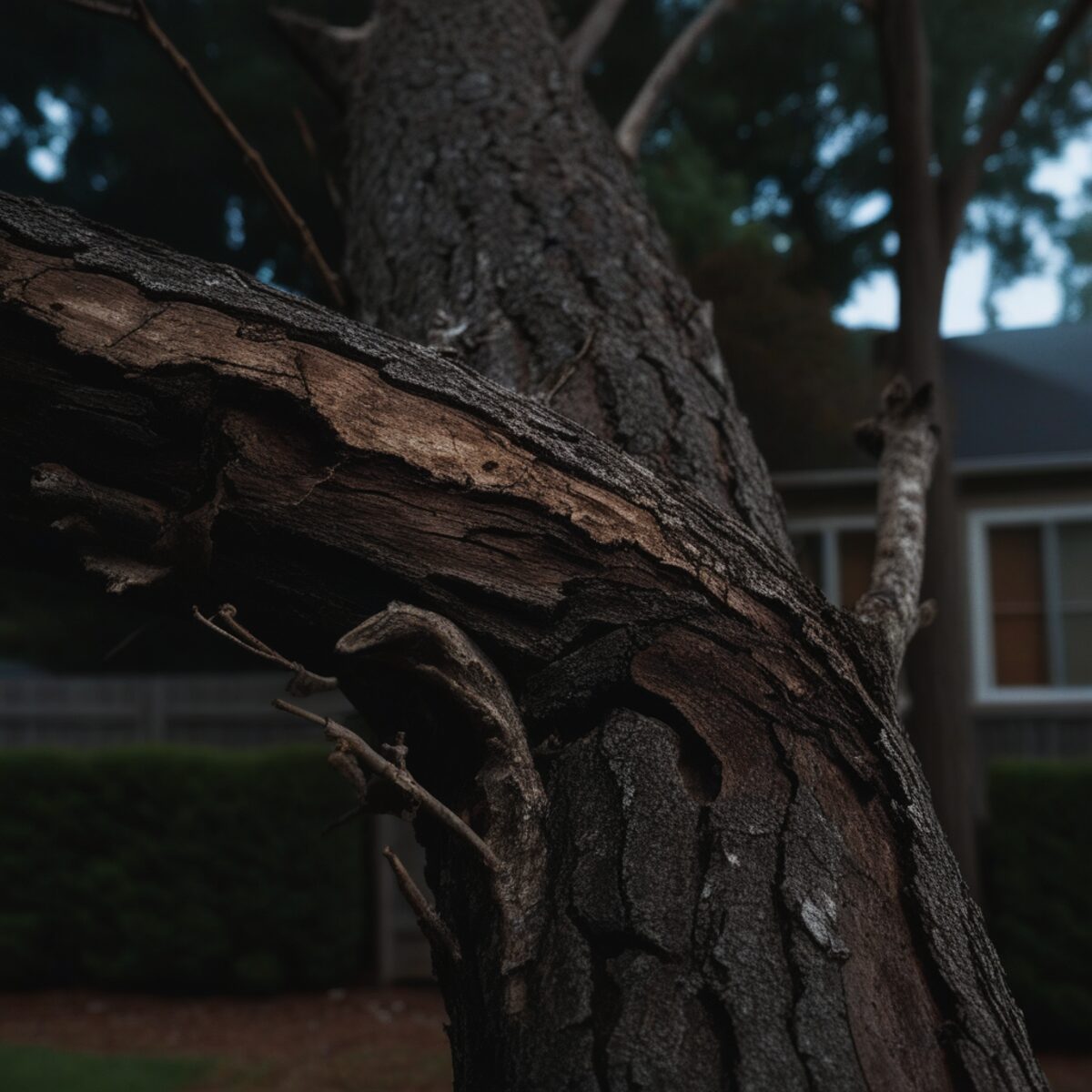
I got a call last spring from a guy in a nice suburb. Let's call him Tom. Tom had a big maple in his backyard with a dead limb hanging over his deck. He'd noticed it the year before. He told me, "I figured if it made it through last winter, it was fine." We set an appointment for a routine pruning for the following week.
It didn't make it to the appointment. Three days later, a calm Tuesday with no wind, that dead limb let go. It wasn't a storm. It just failed. It crashed through his composite deck, smashed the railing, and put a hole in his roof where the deck met the house. The pruning estimate was $650. The emergency tree removal, deck repair, and roof repair bill totaled just over $18,000. His insurance covered most of it, but his deductible was $2,500. He paid ten times more out of pocket for the aftermath than he would have for the fix.
Tom's story isn't rare. I see a version of it every season. Homeowners see dead branches as a future problem. They are a current problem. They are a failure waiting for a trigger.
The Price of Prevention vs. The Cost of Catastrophe
Let's talk numbers. The financial gap between maintenance and disaster is not a gap. It's a canyon.
| Scenario | Typical Cost |
|---|---|
| Preventive Deadwood Pruning | $300 - $800 |
| Emergency Removal (Small Tree) | $1,500 - $3,000 |
| Emergency Removal (Large Tree) | $5,000 - $15,000 |
| Roof Repair from Fallen Branch | $5,000 - $25,000 |
| Liability if Branch Hits Neighbor | $10,000 - $100,000+ |
Look at that first line. Routine deadwood pruning is not a luxury service. For most properties, it's a few hours of work for a crew. It's the cost of a decent appliance. Now look at the lines below it. That's where you land when a known hazard becomes an active one.
Why Your Insurance Company Cares About That Dead Branch
Here's a piece of fine print most people learn the hard way. Homeowner's insurance is designed for sudden, accidental losses. If a healthy tree gets struck by lightning and hits your house, that's generally covered.
If you have a documented hazard, a dead limb you know about, and it falls, that changes things. Insurance adjusters are not arborists, but they know what dead wood looks like in photos. If they can argue you knew about the risk, that the damage was due to "lack of maintenance," they can deny the claim. Even if they pay, you're now dealing with a massive claim on your record, a deductible, and higher premiums. Paying $600 now to avoid a $25,000 claim later is just math.
The Liability You Probably Haven't Considered
Your property line ends at the fence. Your liability does not. If your dead branch falls and hits your neighbor's car, their roof, or worse, a person, you are responsible. Legally, this falls under "premises liability." You have a duty to maintain your property in a safe condition.
That $100,000+ figure in the table isn't scare tactics. It's the potential medical and legal cost if someone is seriously injured. I've been on jobs where a single fallen limb from a neglected tree totaled two parked cars. The tree owner's liability insurance paid out over $80,000. A pruning visit would have been a rounding error on that bill.
Your Tree is a Valuable Asset, Not Just a Hazard
Before you think the answer is to remove every tree, consider this. A mature, healthy tree is a major financial asset to your property. Real estate studies show mature tree cover can add 7% to 15% to your property value. For a $500,000 home, that's $35,000 to $75,000 in value.
Professionals appraise significant trees using methods from the Council of Tree and Landscape Appraisers. They factor in species, size, condition, and location. A healthy 30-inch oak in your front yard can have an appraised value of $15,000 to $30,000. Large specimens in prime spots have appraised for over $100,000. This is why maintenance is an investment. You're protecting an asset that grows in value.
How Trees Actually Fail (And Why Dead Branches Go First)
Trees fail at weak points. Dead branches are the most predictable weak point. They have no living, flexible tissue. They become brittle and heavy with retained water. A dead branch 6 inches thick can weigh 500 pounds. It doesn't need a hurricane to fall. A squirrel, a bird, or just the gradual pull of gravity can be the final trigger.
The other major failure points are structural. Codominant stems, where a tree splits into two main trunks, are a common point of catastrophic splitting. Root failure from construction damage or disease can topple a seemingly healthy tree. Often, the tree looks fine from the outside while internal decay has hollowed out most of the trunk. That's why for big, old trees near targets like your house, a professional assessment with specialized tools is wise. It's a structural inspection for a valuable asset.
The Maintenance Schedule That Makes Sense
Trees don't need a doctor's visit every year, but they do need a checkup. Here's a simple guide.
- Young trees (under 10 years): Every 2-3 years for training and structural pruning.
- Mature trees (10-50 years): Every 3-5 years for inspection and deadwood removal.
- Mature or declining trees (over 50 years, or showing issues): Every 1-3 years. More frequent inspections catch decay and structural issues early.
A proper deadwood pruning job is specific. It's not just "trimming the dead stuff." A good arborist will remove the dead branch back to the branch collar, the swollen area where the branch meets the trunk, without damaging it. This allows the tree to seal the wound properly. They will also clean out any hanging, broken, or stubbed branches. The goal is to leave no stubs that invite decay and to remove the weight and risk without harming the living tree.
What You Can Do Today: A 5-Minute Inspection
You don't need to be an expert to spot obvious risks. Walk your property with this checklist. Use binoculars if you need to.
- Look up. Scan the canopy of any tree near your house, driveway, or patio. Look for branches with no leaves, especially if the rest of the tree is in leaf. Look for broken limbs hanging or caught in the canopy.
- Check the trunk. Look for large cracks, deep cavities, or significant areas of missing bark. Look for mushrooms or fungal growths on the trunk or major roots.
- Look at the base. Is the soil heaving up on one side? Are large roots severed or damaged? This can signal root plate issues.
- Identify targets. What would a branch hit if it fell? Your roof? Your car? The neighbor's playset? The higher the value of the target, the lower your tolerance for risk should be.
If you see dead branches larger than your wrist, or anything from points 2 or 3, it's time to call a certified arborist. Get an inspection. Get an estimate for the work. Then look back at the table at the top of this page. The choice is straightforward when you lay out the math.
Check Your Trees
Enter your zip code to see local species, pest threats, and risk assessments.
Search by Zip Code