Tree Care Blog
Data-driven articles from certified arborists. Storm damage rankings, species deep-dives, pruning science, and practical advice backed by real data from 3780+ US cities.
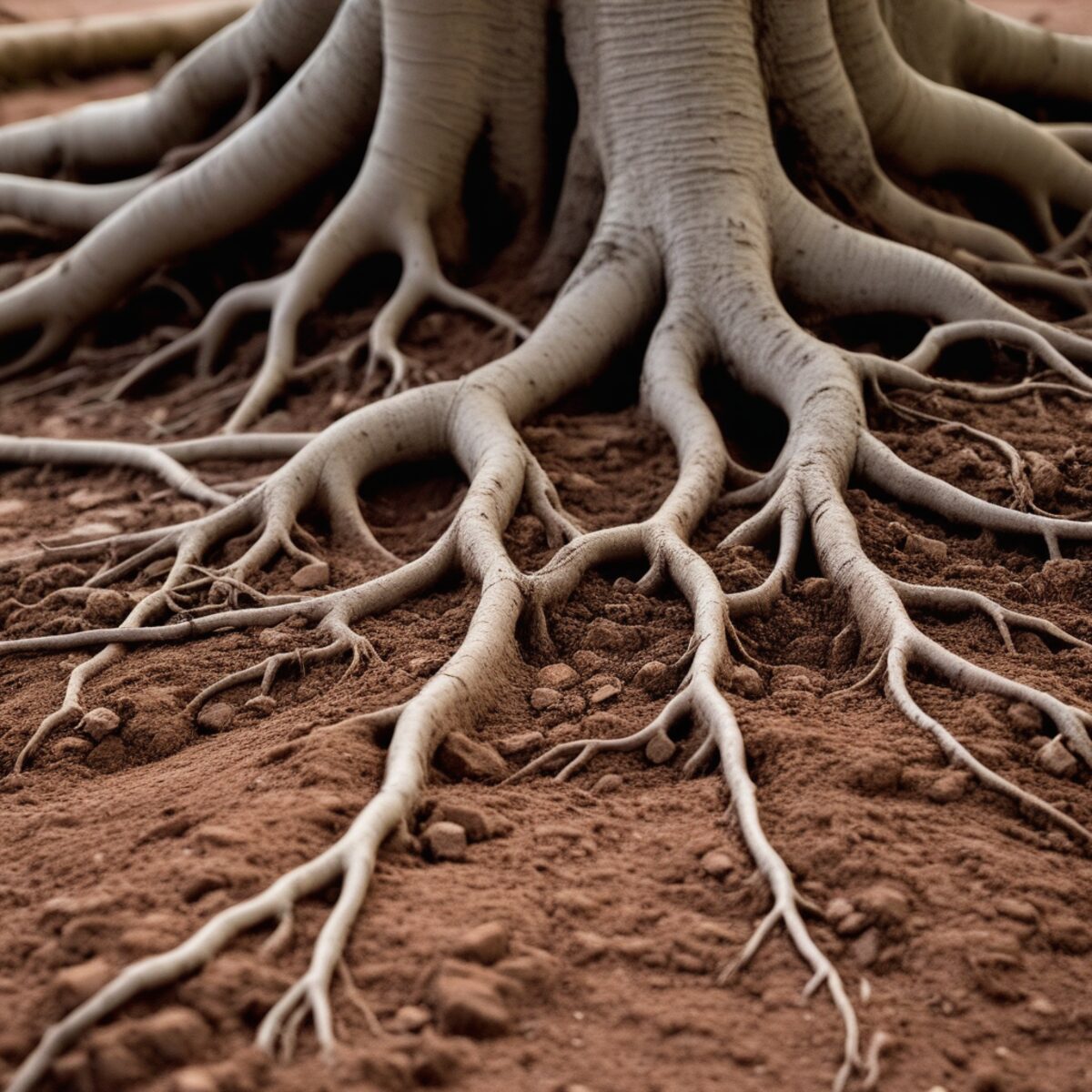
Your Soil Is the Problem: What 3,778 Cities Taught Us About Tree Health
USDA soil data from 3,778 cities shows how soil texture drives tree problems. Clay, sand, rock, and loam each create different failure modes.
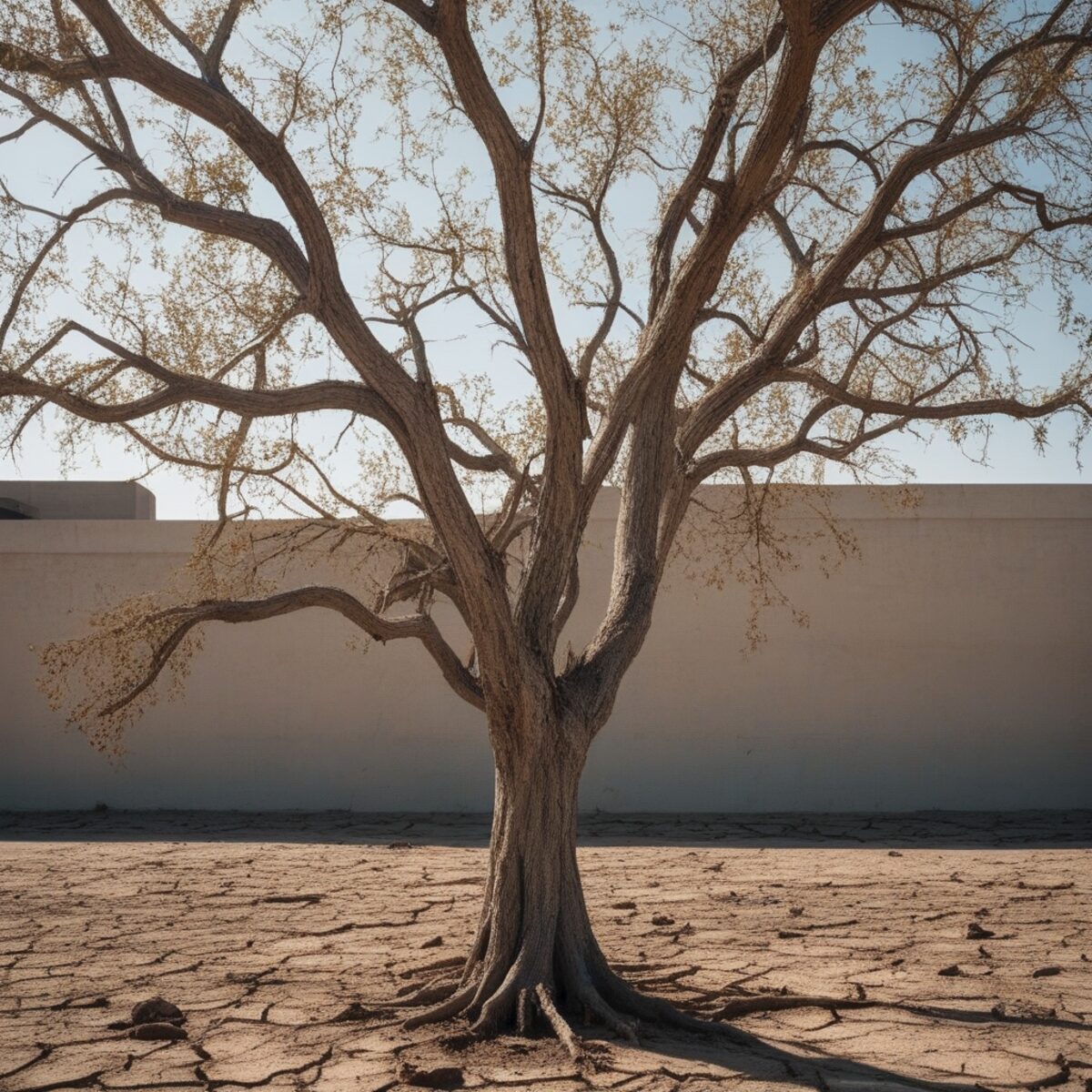
Where Drought Is Quietly Killing America's Urban Trees
Analysis of 958 drought-stressed cities reveals where urban trees are silently declining from water stress.
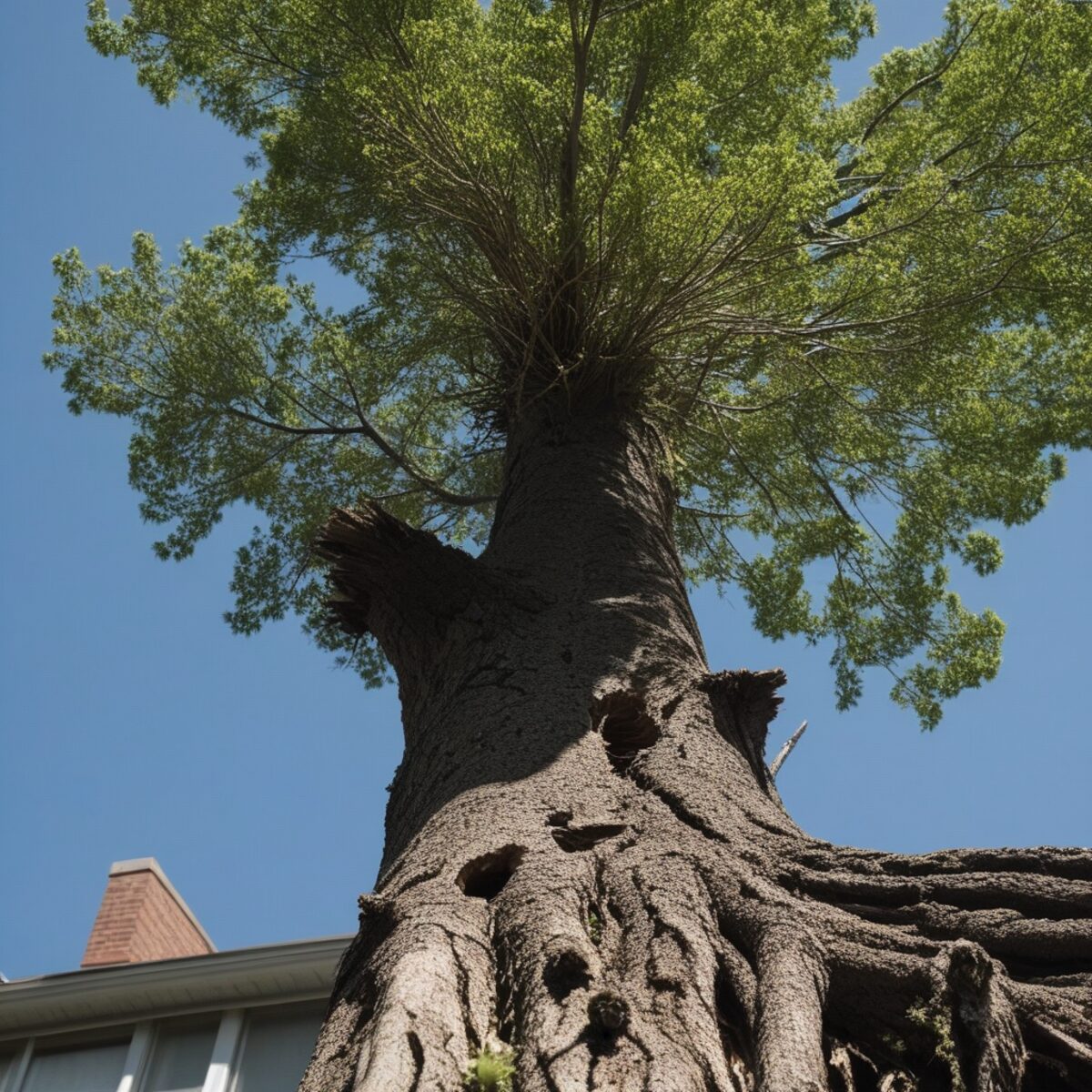
What Your Tree Service Doesn't Want You to Know About Topping
Why topping is the most destructive common practice in tree care, how to spot it, and what proper crown reduction actually looks like.
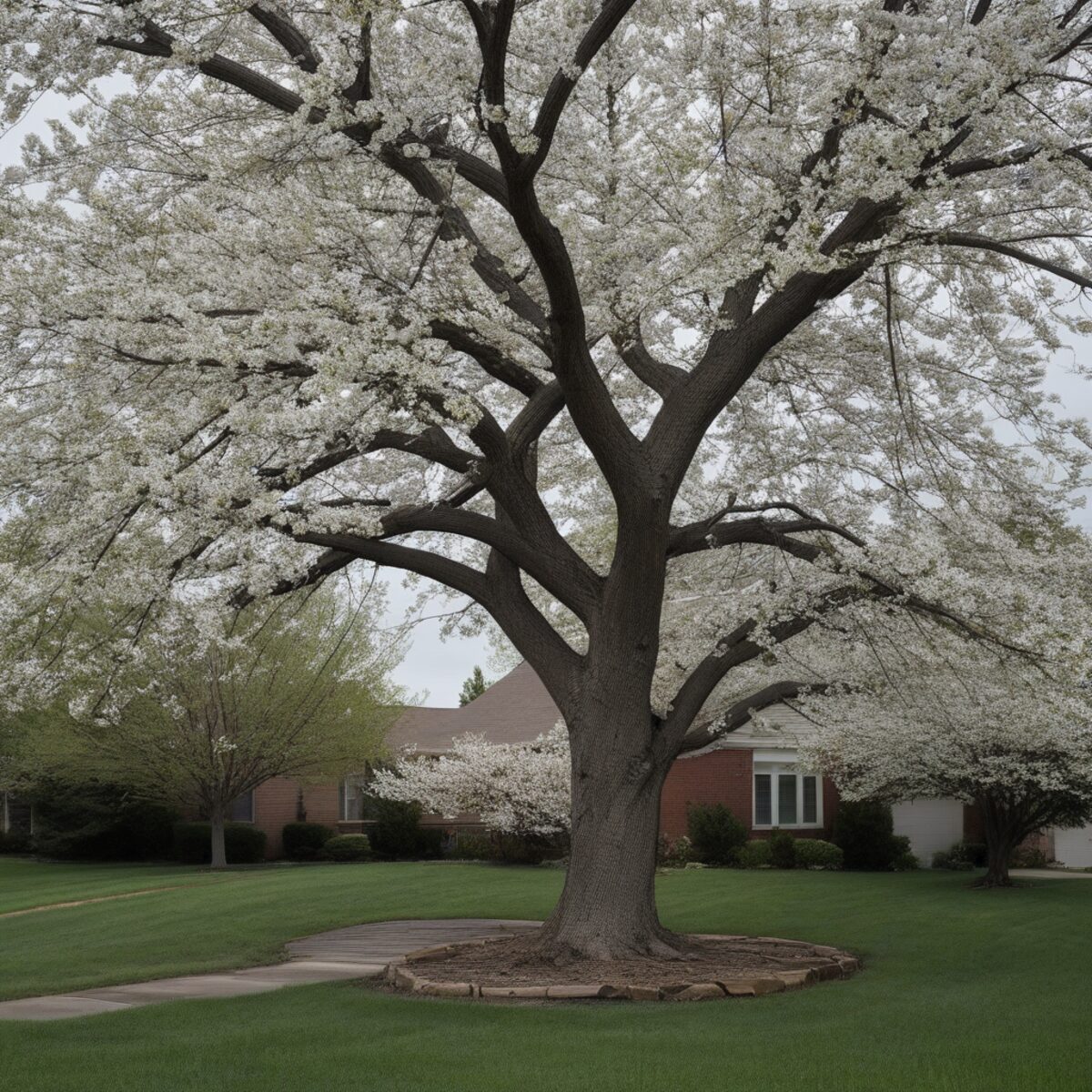
Stop Planting Bradford Pears
Why Pyrus calleryana is structurally doomed, ecologically harmful, and still being sold at every nursery in zones 5-9.
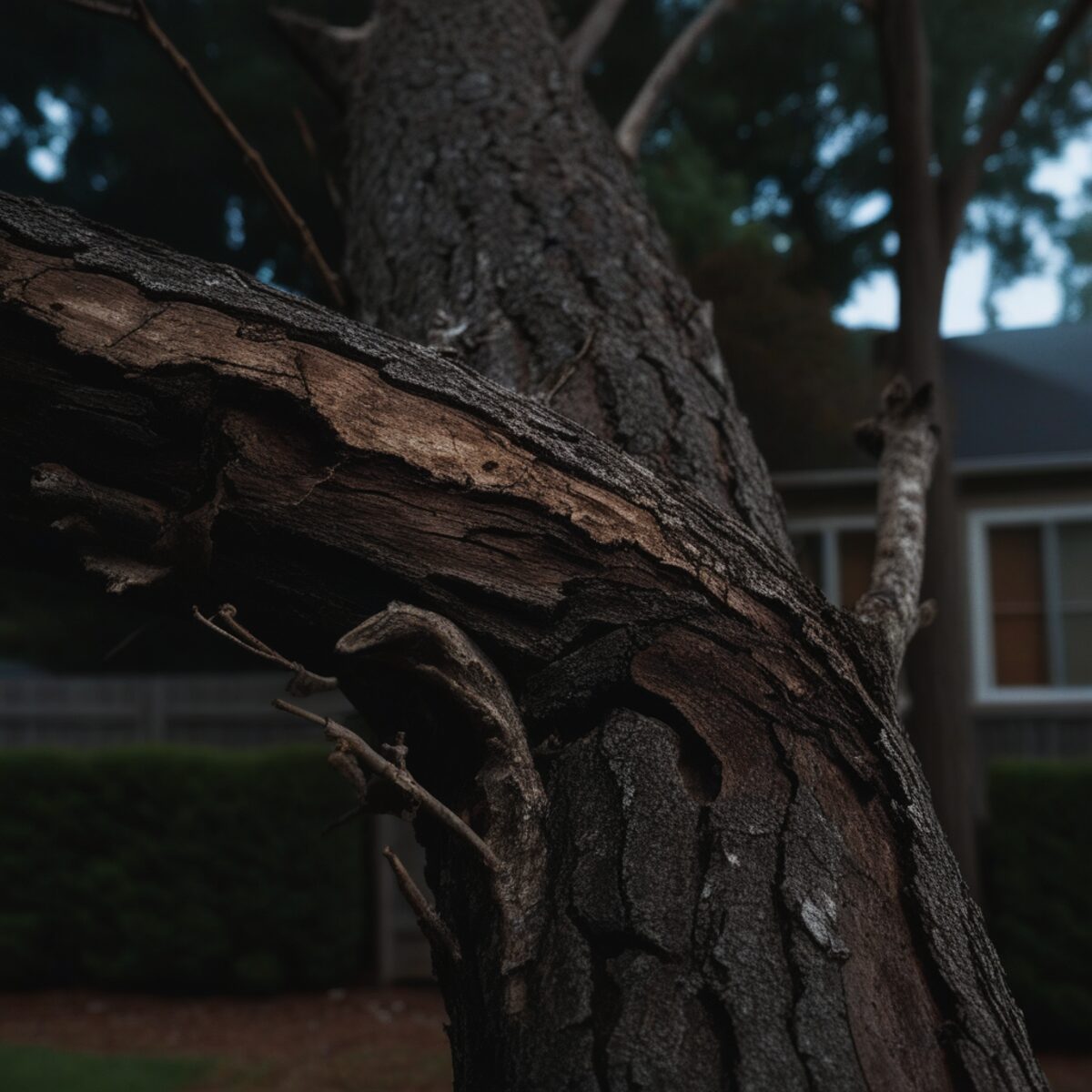
The Real Cost of Ignoring That Dead Branch
The math on preventive pruning vs emergency removal, property damage, and liability. A $300 problem becomes a $15,000 problem fast.
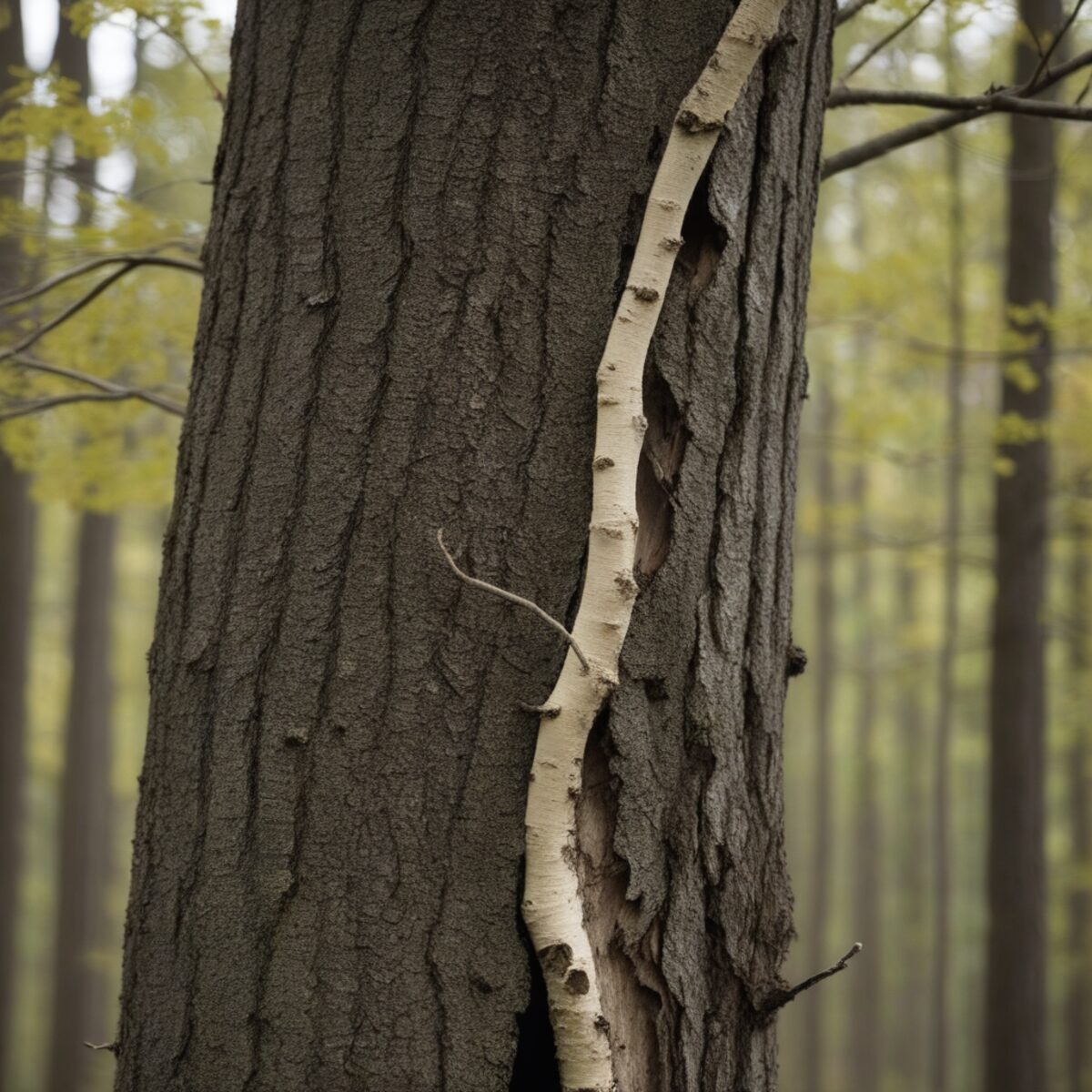
How to Tell If Your Tree Is Dying: A Field Guide
Systematic guide to diagnosing tree decline: what to look for in the crown, trunk, base, and roots, and when each symptom means trouble.
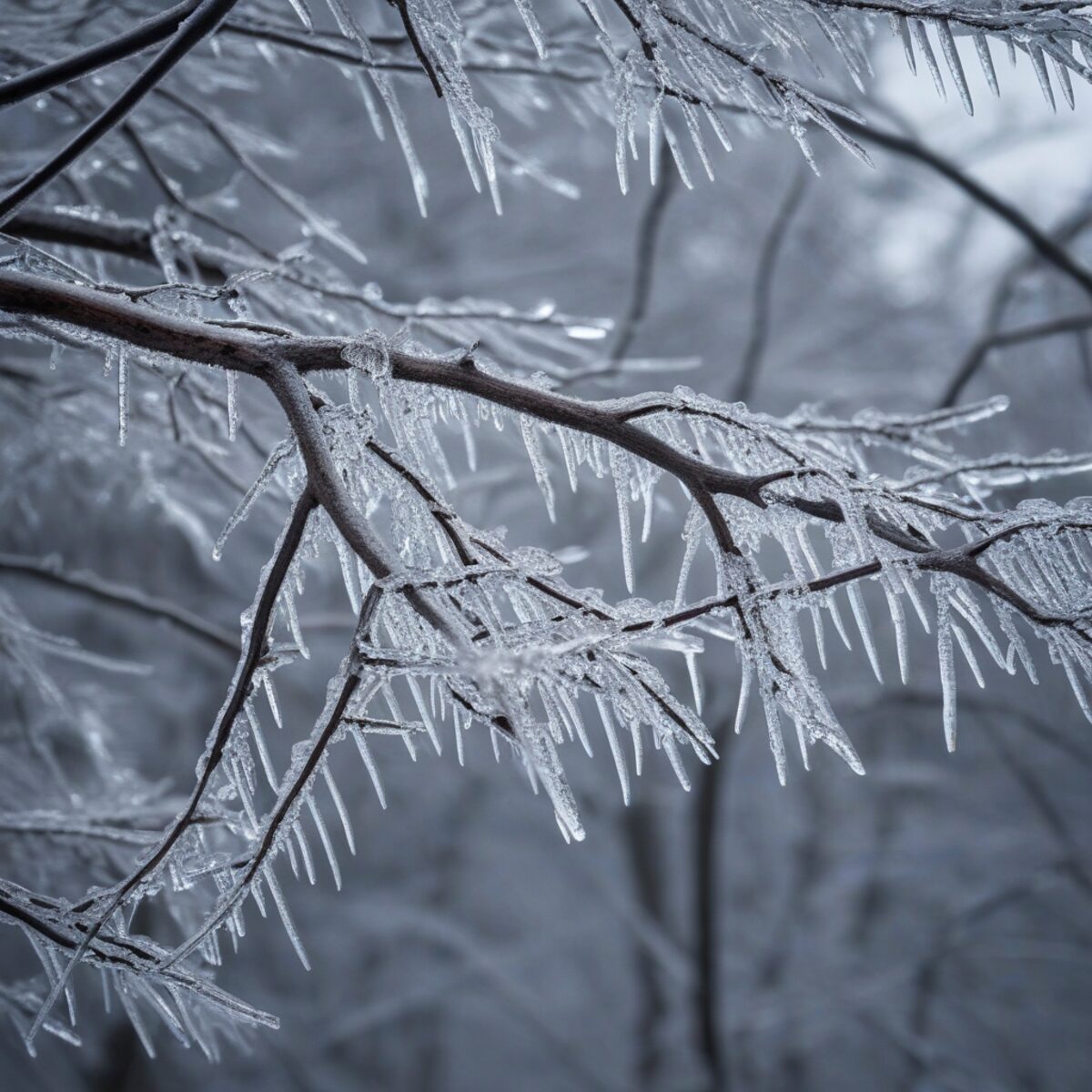
Hail, Wind, and Ice: The Storm Damage Map for Every Tree Owner
Regional breakdown of hail, wind, and ice storm frequency across 3,789 US cities and what each storm type does to your trees.
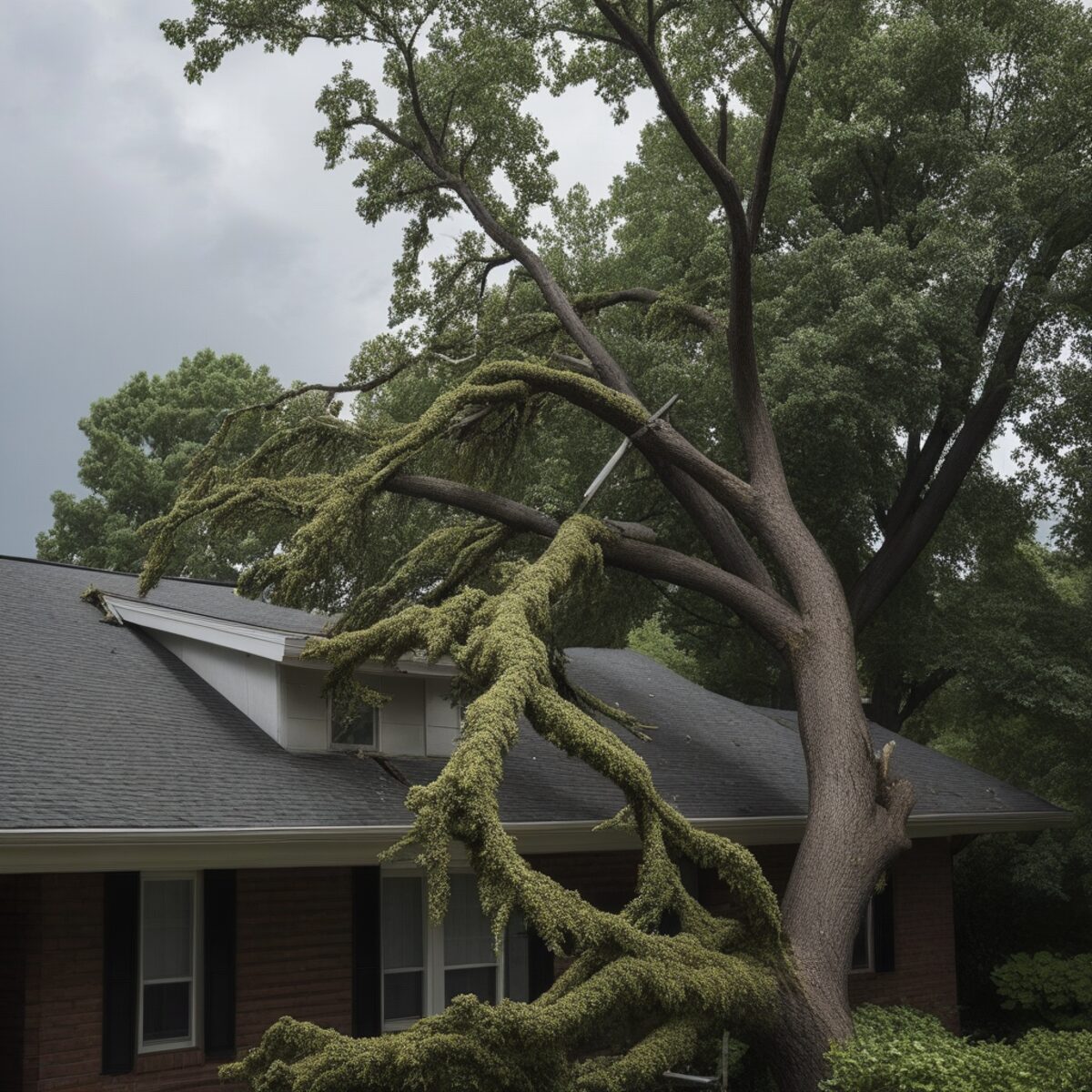
The 25 US Cities Where Trees Are Most Likely to Damage Your Home
Data analysis of 3,789 affluent US cities reveals where storm frequency and tree maturity create the highest risk of tree-related property damage.
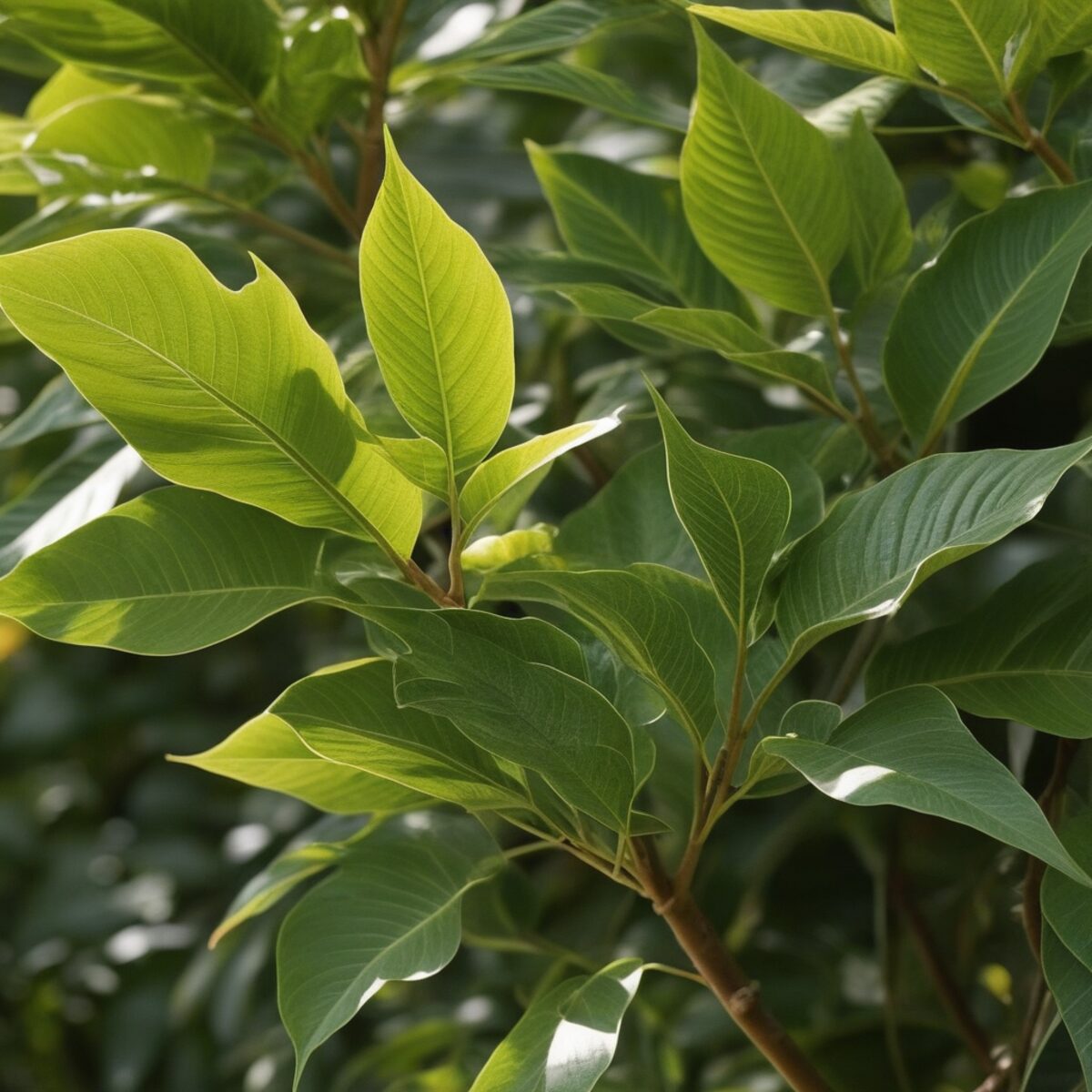
Choosing the Right Tree for Your Climate Zone: A Data-Backed Guide
How to match tree species to your USDA hardiness zone and local conditions. Top 5 recommended trees for each major zone.
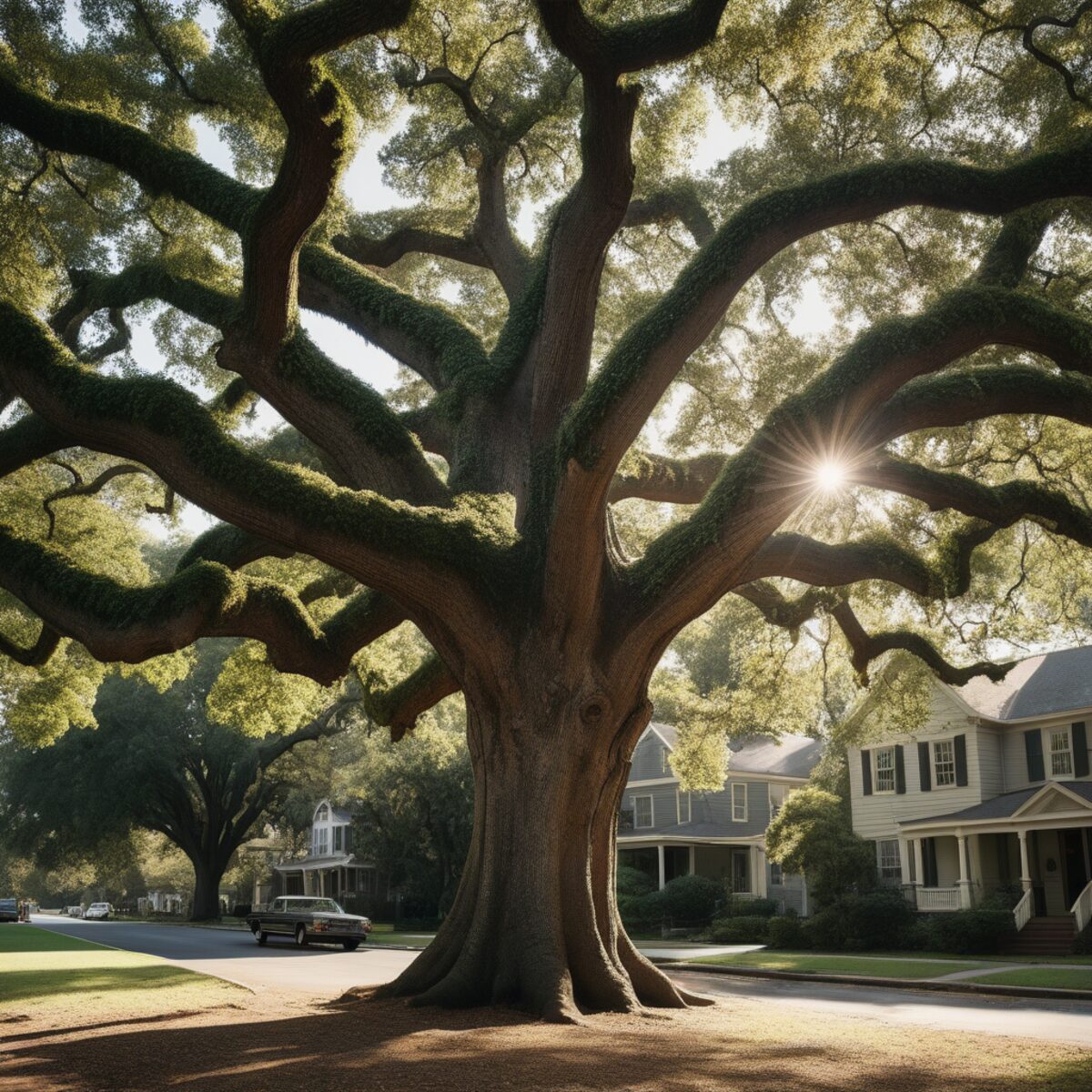
America's Oldest Urban Trees: 30 Cities Where Your Landscaping Is Older Than You
Analysis of housing data across 3,789 US cities identifies where original landscaping trees are now 60-90 years old and what that means for homeowners.